ScottishPower Advances Green Hydrogen Production at Whitelee Onshore Wind Farm
ScottishPower and Black & Veatch launch a green hydrogen flagship at Whitelee Wind Farm, integrating wind-powered PEM electrolysis to fuel UK industrial and transport sectors.
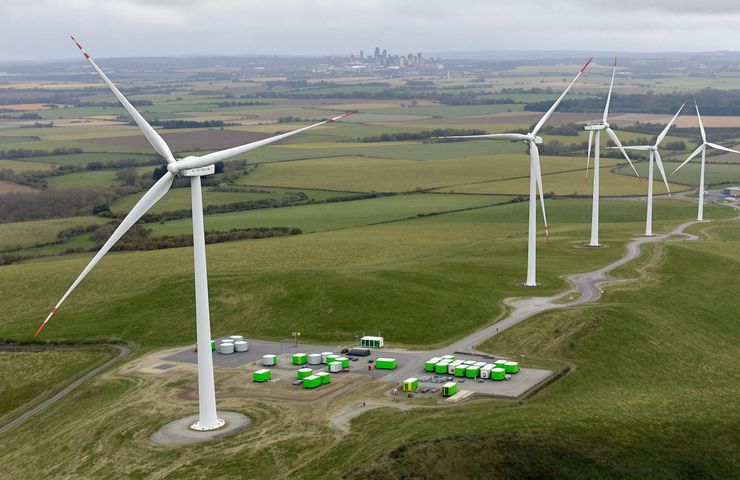
Scotland’s clean energy dreams are kicking into high gear with something big brewing at Whitelee. A new Green Hydrogen Facility is in the works at the UK’s largest onshore wind farm, thanks to a major collaboration between ScottishPower, Black & Veatch, and the UK Government. The vision? Turn those windswept turbines outside Glasgow into a powerful engine for green hydrogen and a serious push toward industrial decarbonization.
Wind-Powered Hydrogen on Eaglesham Moor
Sitting just south of Glasgow, on the vast open landscape of Eaglesham Moor, the Whitelee Wind Farm already boasts a massive 215 turbines cranking out 539 MW of clean power. But the site’s about to take on a whole new role: becoming a launchpad for the UK's move to hydrogen production.
If all goes to plan and final approvals line up in January 2025, work will begin on a facility that uses PEM electrolysis—powered entirely by wind, maybe even solar—to generate up to 20 megawatts of green hydrogen in two phases. That hydrogen will be compressed and stored on site, then shipped out using mobile tube trailers to wherever it's needed.
How Wind Becomes a Zero-Emission Fuel
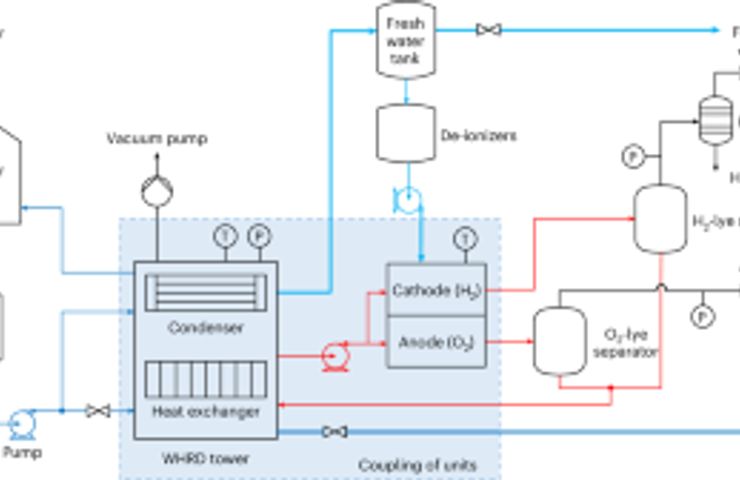
So, what’s the secret sauce? It’s called Proton Exchange Membrane (PEM) electrolysis. These high-tech systems take electricity from Whitelee’s turbines and use it to split water into hydrogen and oxygen—no carbon emissions, just pure clean fuel.
From there, the hydrogen is compressed and stored on-site, then loaded up and delivered to industries and transportation networks. It’s a smart workaround to one of the biggest gripes about renewables: their “use it or lose it” problem. Here, hydrogen acts like a supercharged battery—with the added bonus that you can truck it wherever it’s needed.
Heavyweight Engineering Behind the Scenes
The project’s design is in expert hands. Black & Veatch, a global engineering leader, is taking the technical lead—with more than 200 hydrogen-related studies under its belt. With their experience, this isn’t just about building one project; it's about creating a scalable, repeatable model for the UK's hydrogen infrastructure.
Backed by Policy and Purpose
This isn’t just a one-off experiment—it’s got serious backing. The project was selected for funding under the UK Government’s Hydrogen Allocation Round 1 (HAR1), a clear sign of how seriously the country is taking hydrogen as part of its energy future. The goal? Cut emissions, boost energy security, and unlock green growth.
What’s clever here is the business model. By using surplus electricity from the turbines to produce hydrogen on demand, they’re not just sending power to the grid—they’re creating fuel for trucks, factories, and maybe even future power plants. It’s about stretching the value of renewables further than ever before.
Local Wins and Real-World Hurdles
On the ground, the benefits are clear. Think new jobs, boosted local supply chains, and regional investment. For Glasgow and neighboring areas, this means measurable progress toward urban decarbonization goals. It’s not just abstract climate talk—it’s actual tools, trucks, and turbines working together.
But let’s be real: this scale of innovation isn’t risk-free. Compressed hydrogen needs to be handled with care, which is why comprehensive safety plans and community engagement are already in motion. Plus, all those hydrogen deliveries will mean more traffic in and out of the site—so transport impacts are something to keep an eye on.
More Than a Project—A Playbook
What makes Whitelee so exciting isn’t just the green hydrogen—it’s what it could lead to. This is a template for how renewable energy can power hydrogen production and create a real dent in carbon emissions. From how they’ve handled public consultations to how they’re linking up with nearby industrial sites, this project is paving the way for others to follow.
And here’s the kicker: hydrogen isn’t new, but plug it straight into a wind farm, make it portable, and suddenly you’ve got a flexible, storage-ready, off-grid energy solution. It plugs gaps in the current system and opens doors to more resilient, cleaner energy flows.
The Road Ahead
With the Front-End Engineering Design (FEED) study wrapping up around mid-2025 and planning approvals targeted early in the year, construction could kick off not long after. If everything falls into place, Whitelee could soon anchor Scotland not just as a renewable leader—but as a green hydrogen trailblazer from grid to gas tank.
For now, it’s shaping up to be a powerful example of what happens when you combine world-class wind energy with cutting-edge technology. Keep an eye on Eaglesham Moor—because the turbines are only half the story. Pretty soon, hydrogen will be flowing, and with it come all the possibilities of a low-carbon future.