Plug Power Delivers 1 MW PEM Electrolyzer to Boost Invercargill Hydrogen Infrastructure
Plug Power shipped a 1 MW GenEco PEM electrolyzer to HWR Hydrogen’s Invercargill station, paving the way for on-site hydrogen production to fuel dual-fuel heavy trucks in Southland.
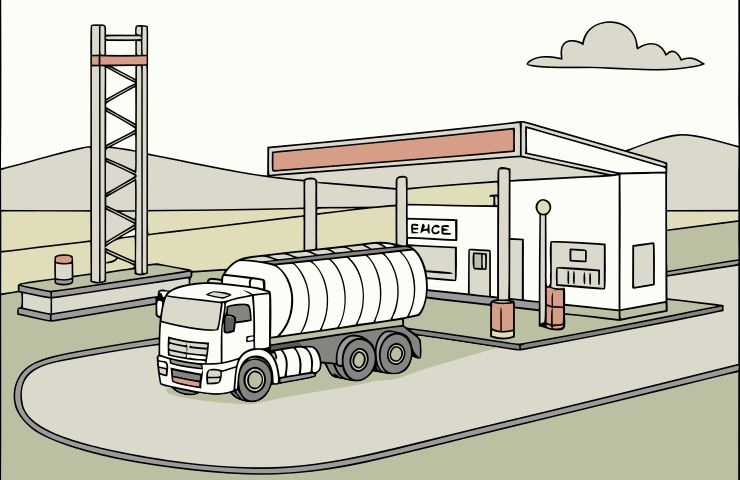
Plug Power has just shipped a 1 MW GenEco proton-exchange-membrane electrolyzer to HWR Hydrogen’s refueling station in Invercargill, marking a significant step forward for the city's growing hydrogen infrastructure. Here’s the exciting part: this unit is set to produce hydrogen right on-site, specifically for heavy trucks outfitted with dual-fuel kits from Change Fuel Technologies. This nifty setup links local production directly to refueling capacity and fleet demand, creating a seamless system.
On-Site Power
Now, hydrogen production has typically relied on large, centralized plants that transport compressed or liquefied gas over long distances. This approach can really drive up logistics costs and lead to delays. So what’s the big deal about Plug Power’s GenEco electrolyzer? It completely flips this model on its head by generating hydrogen exactly where it’s needed. All you have to do is install it at a refueling station, connect it to water and electricity, and voilà—it's like having a mini hydrogen factory right beside the fuel pumps. This isn’t some futuristic concept; it's a practical system ready for rollout that simplifies supply chains and minimizes risks.
- Eliminates the high costs of transporting hydrogen
- Provides rapid refueling for heavy-duty fleets
- Takes advantage of renewable energy peaks for green hydrogen production
- Makes on-site safety and maintenance easier
- Reduces reliance on external suppliers
Why Southland?
Invercargill, home to just over 55,000 residents on the southern tip of New Zealand’s South Island, is a hub for agriculture, forestry, and transport. While the population might be modest, the freight network is essential—and you’ll find most hydrogen efforts focused on the North Island. H.W. Richardson Group recognized a clear gap in this setup. Long-haul trucks are often hampered by battery weight limits and charging downtime, making fully electric models a tough sell for rural routes. The dual-fuel conversions from Change Fuel Technologies let operators mix hydrogen with diesel without needing to swap out entire engines. With initial government support for six kits and space at their current station, HWR was ready to roll. This local-first strategy ensures that supply, refueling, and demand are all in sync, right where they’re needed most.
The Magic Cell
What powers this initiative? At the center of it all is the GenEco 1 MW PEM electrolyzer. The secret sauce is a proton-exchange membrane that splits water into hydrogen and oxygen under controlled voltage. What’s cool about these PEM units is that they operate at nearly ambient temperature and can ramp up production within minutes, making them perfectly suited to handle variable renewable energy outputs—especially important in a country where nearly 90% of electricity comes from renewables. They filter and deionize the water to protect the membrane, and the oxygen produced is safely vented. Once the hydrogen is generated, it's dried, compressed, and stored on-site at high pressure, all set for dispensing. The environmental impact really depends on the electricity source; if it's linked to certified renewables, this setup can deliver truly green hydrogen, though the actual carbon intensity relies on the power contract from the station.
Fueling Trucks Today
HWR Hydrogen’s station is designed to serve heavy trucks that have been retrofitted with hydrogen-diesel dual-fuel systems by Change Fuel Technologies. In this setup, hydrogen is injected alongside diesel, helping operators reduce up to 30% of their fossil fuel use without major changes to their engines. Early tests will monitor fuel savings, engine performance, and maintenance in real-world scenarios. While it’s not fully zero-emission transportation, this blended approach provides immediate reductions in CO₂ emissions and lower fuel costs—exactly the practical solution that government policy is seeking for sectors that are tough to electrify.
Building the H₂ Ecosystem
This shipment goes beyond just selling equipment; it integrates production, storage, and end-use demand into a cohesive hydrogen network. Plug Power is bringing its GenEco PEM technology, which is already deployed across five continents, while H.W. Richardson Group enhances the fleet's capacity through HWR Hydrogen and shares conversion expertise with Change Fuel Technologies. There’s also solid policy backing all this; last year’s Hydrogen Action Plan cut down on permissions barriers, while a $30 million Low Emissions Heavy Vehicles Fund is ready to finance the project. Plus, earlier grants have supported those dual-fuel kits. On the North Island, Hiringa Energy has already established the first green hydrogen refueling network—now Southland gets its own decentralized production hub.
Community and Skills
But this project is about more than just trucks and tech; it’s going to boost local economic activity as well. Setting up and maintaining an electrolyzer and high-pressure storage requires specialized skills—think welding, electrical integration, and hydrogen safety training. HWR Hydrogen is gearing up to train staff in gas management, leak detection, and maintenance, while local contractors will find new work in civil and electrical installations. If this program catches on, technical institutes could introduce hydrogen modules in their courses, crafting a talent pipeline for future stations.
Scaling Beyond Invercargill
Buckle up, because HWR sees this as a model for the entire region. If Invercargill can maintain steady uptime and offer competitive hydrogen pricing, this approach could be replicated along important freight corridors. Securing reliable low-carbon electricity contracts, standardizing safety measures, and locking in offtake agreements will be crucial to the project’s success. Of course, compressing gas requires stringent clearances, and factors like water treatment and membrane longevity will affect how it operates. Future funding may combine private investments, supplier financing, and government support. Ultimately, success will come down to the cost per kilogram of hydrogen and operational efficiency.
The Road Ahead
This initiative is basically a live test of on-site hydrogen production, storage, and refueling, all happening in one space. The next steps include getting the GenEco unit up and running, fine-tuning its controls, and monitoring output as trucks transition to using hydrogen. While regulators check for safety compliance, energy planners will be looking at how this impacts the grid. Looking further ahead, it’s possible that Original Equipment Manufacturer (OEM)-supplied hydrogen fuel-cell trucks could work alongside dual-fuel rigs at the same pumps, delivering true zero-emission capabilities. If Invercargill proves this model works, we could see a network of decentralized hydrogen refueling stations that transform New Zealand’s heavy transport landscape. So stay tuned—there’s a lot more to come in the world of clean hydrogen!