Vattenfall Secures Dutch Subsidy to Build Green Hydrogen Plant in Eemshaven
Vattenfall lands Dutch government funding for green hydrogen electrolysis plant in Eemshaven, helping scale renewable hydrogen and decarbonize hard-to-abate sectors.
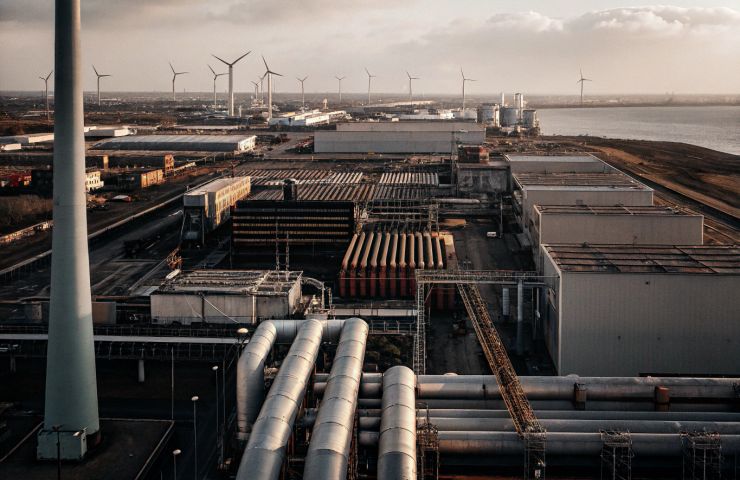
Vattenfall, one of Europe’s biggest energy companies, just scored a major win from the Dutch government—a hefty subsidy to kickstart a large-scale green hydrogen project in Eemshaven, Groningen. It’s part of a €700 million push to support 11 low-carbon hydrogen projects totaling 602 MW of electrolysis capacity across the country. Bottom line? The Netherlands is going all-in on hydrogen and setting the bar higher than ever.
Powering Industrial Decarbonization
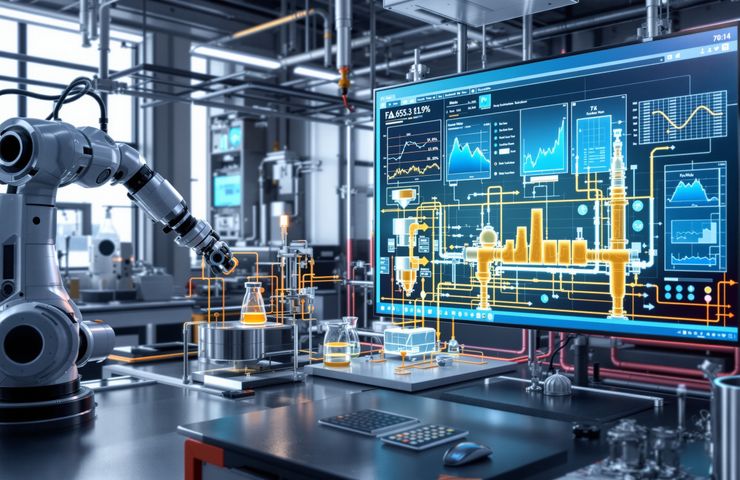
Slated to go live by July 2025, Vattenfall’s project will tap into offshore wind to run its renewably powered electrolysis systems, generating green hydrogen at scale. It’s all part of a broader plan to clean up some of the toughest sectors to decarbonize—think heavy industry, trucking, refineries, and chemical plants.
Here’s what the project is aiming to do:
- Cut the Dutch industrial sector’s reliance on fossil fuel imports.
- Help speed up the adoption of hydrogen in manufacturing and transportation.
- Breathe new life into Groningen’s economy with clean energy projects.
Why Eemshaven Makes Perfect Sense
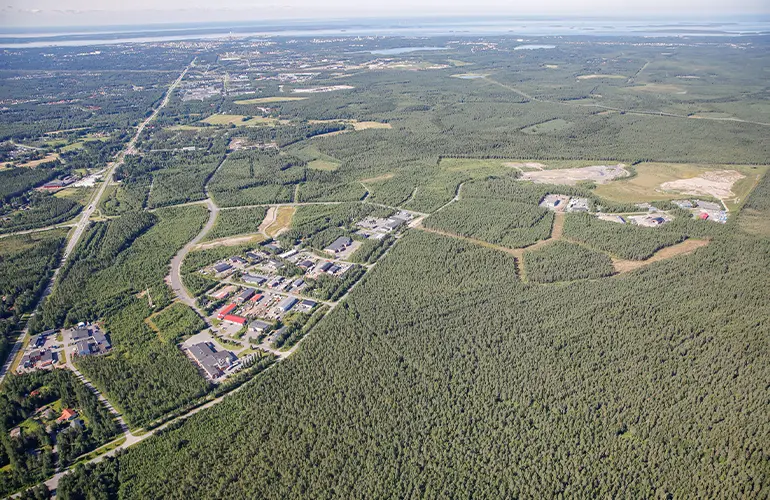
Eemshaven isn’t just any port—it’s got direct links to North Sea offshore wind farms and a deepwater harbor, making it a prime launchpad for a hydrogen infrastructure revolution. Once a hub for fossil fuel flow, the region is reinventing itself around renewables and next-gen fuels like hydrogen.
Groningen’s story is also one of renewal. After years of dealing with the fallout from gas drilling, the province is now playing a key role in the Netherlands’ shift to clean energy. Projects like H2Eron in nearby Delfzijl, which also secured funding for a hydrogen electrolyzer, are part of a growing movement – a northern hydrogen corridor is beginning to take shape.
Making Green Hydrogen Make Sense Economically
This funding wasn’t handed out easily. The Ministry for Climate and Green Growth ran a tight competition, only backing projects that showed real bang for the buck when it came to euros per megawatt. It pushed companies to get smarter about scaling up, cutting costs, and maximizing impact.
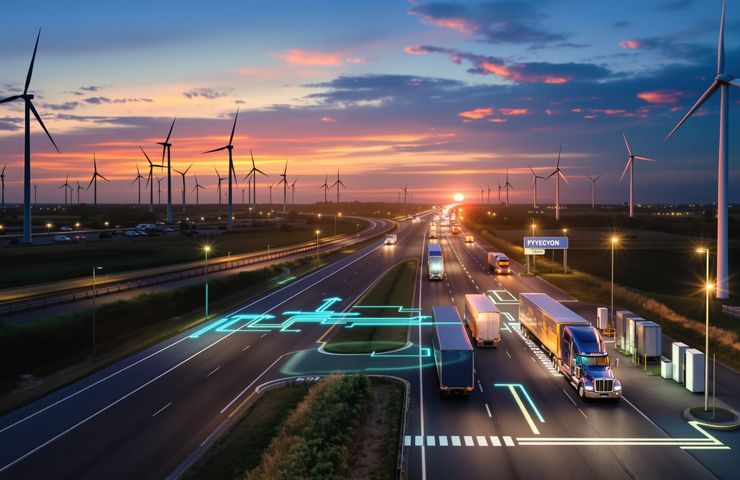
And the potential payoff is big—a single facility like Vattenfall’s could generate enough green hydrogen each year to fuel around 5,000 hydrogen trucks. That’s more than just optics. It could dramatically cut diesel use, slash freight emissions, and improve urban air quality—especially if the right refueling stations and pipelines go up alongside it.
Inside Vattenfall's Push for Fossil-Free Energy
Founded all the way back in 1909 and now fully state-owned by Sweden, Vattenfall has been busy reinventing itself. Over the past five years, the company has shifted sharply away from carbon-heavy assets, doubling down on hydrogen production, offshore wind, and other low-carbon technologies across markets like Sweden, Germany, the Netherlands, Denmark, and the UK.
Getting involved in the Dutch subsidy program isn’t just about securing government funding—it’s a calculated move to scale green hydrogen into a major piece of the company’s clean-energy puzzle, especially as more countries push toward net-zero targets by 2050.
What’s Next for Eemshaven—and Green Hydrogen
The road ahead for Vattenfall—and for the Dutch hydrogen sector as a whole—is all about action. That means getting the infrastructure in place, linking up with renewable power, and proving this can work not just environmentally, but economically too.
But make no mistake—the shift is happening. What used to be a “tech of the future” is now on the ground and moving toward industrial-scale production. With support from government and big players like Vattenfall stepping up, green hydrogen is becoming a real-world solution.
As for Eemshaven? It may have powered fossil energy deliveries in the past, but it’s starting to look a lot like Europe’s front door to the hydrogen economy.