The COMET Drives Forward with Hydrogen Fuel Cells and Electric Buses for Zero-Emission Transit
The COMET transit authority embraces hydrogen fuel cells and electric buses to drive zero-emission public transit across South Carolina, reflecting a national trend toward green transportation solutions.
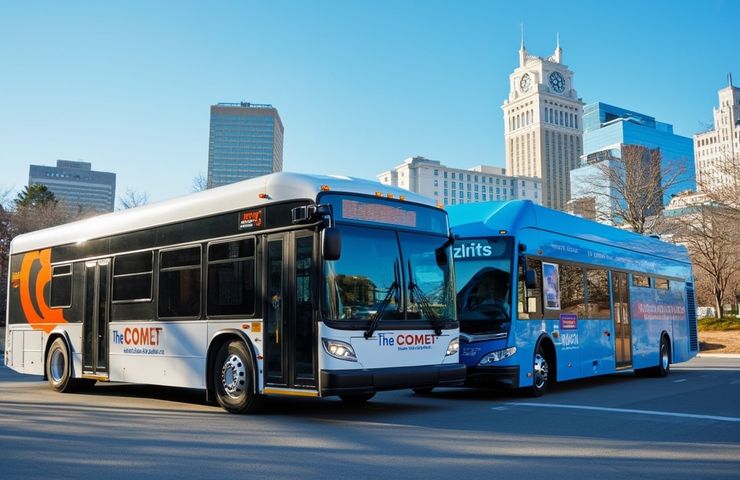
The Central Midlands Regional Transit Authority (The COMET) is charging full steam ahead into the future, rolling out a fleet of hydrogen fuel cells and electric buses in Central South Carolina. It's a big step that ticks two major boxes: hitting their long-term sustainability goals and keeping pace with the national shift toward zero-emission technology in public transportation.
Strategic Angle: Decarbonizing Public Transit in South Carolina
Covering Richland and Lexington counties—and a population that’s nearing 740,000—The COMET is thinking big. By swapping out traditional diesel buses for greener alternatives, they’re not just cutting greenhouse gas emissions. They’re cleaning up the air, saving money in the long run, and giving people something they’re asking for more and more these days: cleaner, quieter rides around town.
Truth is, making the switch to electric and hydrogen buses isn’t just a “nice to have” anymore—it’s fast becoming a must-do. Transit agencies across the U.S. are hustling to upgrade their fleets, not only to meet tougher emissions rules but also to tap into federal and state funding geared toward speeding up the shift to zero-emission technology.
Technical Snapshot: Why Hydrogen and Electric?
Electric buses are perfect for city routes, where they can zip around and easily recharge during quick stops. On the flip side, hydrogen fuel cell buses are built for the long haul—with longer ranges and quick refueling that keep them on the road and out of the charger bay.
Both options cut tailpipe emissions down to almost nothing—literally! Hydrogen buses send out nothing but water vapor. Toss in much quieter rides, and you’re looking at a win-win for busy urban neighborhoods that could always use a break from the noise.
Key Takeaways for Industry Stakeholders
- Sustainability Commitment: The COMET isn’t just talking about going green—they’re doing it, getting ahead of future regulations before they even land.
- Strategic Infrastructure Needs: Charging stations and hydrogen refueling hubs aren’t optional—they're essential for pulling this off successfully.
- Opportunity for Technology Partners: This is a golden invitation for bus makers, hydrogen suppliers, and service operators to get onboard early and grow with the transition.
- Broader Trend: It's part of a bigger move toward stronger hydrogen infrastructure and investing in sustainable energy solutions all over North America.
Parallel Developments: A Growing National Movement
Big cities like Los Angeles, New York, and Houston are making headlines with their own rollouts of electric and hydrogen bus fleets. But The COMET’s progress in Columbia shows something even more exciting: you don’t have to be a massive metro to make this shift. Mid-sized cities are proving that zero-emission technology can—and should—happen everywhere.
Challenges Ahead
Sure, it’s not all smooth sailing. New buses come with a hefty price tag, and setting up the charging and fueling infrastructure won't be cheap either. Plus, workers will need fresh training to keep the new vehicles running at their best.
But there’s good news: costs are already starting to fall with better supply chains and a big push from government programs. Early adopters like The COMET are in a prime spot to snag incentives and lead the way as the market shifts.
All signs point to one thing: this isn’t just a local project. The COMET’s move is part of a much bigger story, showing that hydrogen fuel cells and electric buses aren’t futuristic dreams anymore—they're the real deal shaping the future of American transportation.