Sumitomo to Invest £7.5 Billion into UK Hydrogen Infrastructure and Offshore Wind by 2035
Sumitomo Corporation has committed to facilitating £7.5 billion in UK clean energy investments by 2035, with a strong focus on offshore wind and hydrogen infrastructure. The move, aligned with the UK’s net-zero strategy, deepens UK-Japan energy cooperation.
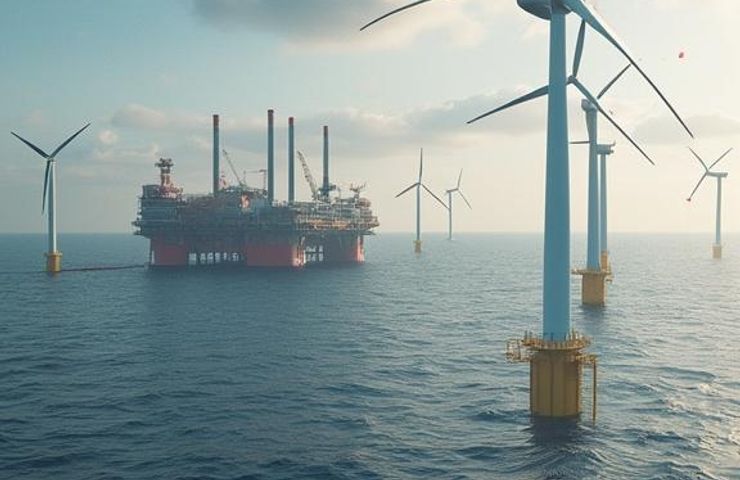
Japan and the UK are joining forces on a big new clean energy venture—one that could completely reshape how offshore wind and hydrogen infrastructure evolve across the North Atlantic.
In a major step that shows just how fast momentum is building around hydrogen production and offshore renewables, Sumitomo Corporation—one of Japan’s biggest trading giants—has inked a memorandum of understanding (MOU) with the UK Government's Office for Investment. The agreement tees up to £7.5 billion (about $10.2 billion) in clean energy investments across the UK by 2035.
Big plans, backed by real experience
This isn’t Sumitomo’s first rodeo in the UK’s energy scene—but this? It’s on another level. The focus is squarely on ramping up offshore wind and building out large-scale hydrogen infrastructure, which lines up perfectly with the UK’s fresh push to modernize its energy and industrial systems.
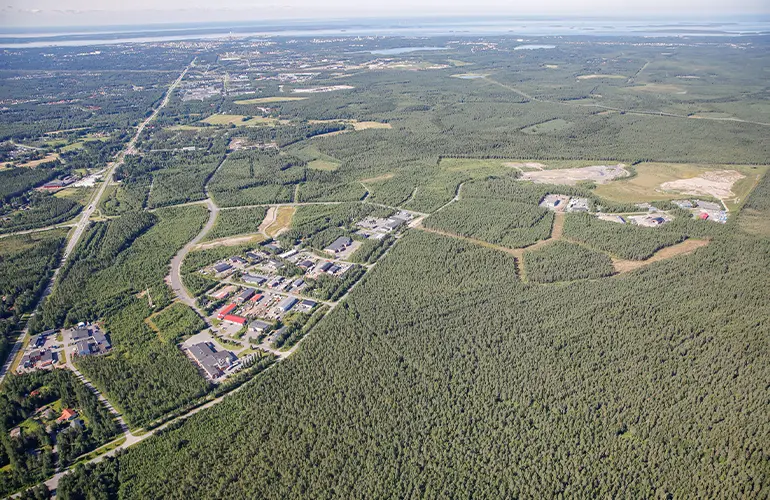
The plan is to tap into existing energy assets—think the North Sea coast and the well-established Bacton gas terminals—transforming them into robust, scalable hubs for hydrogen production. The rollout starts with blue hydrogen in the near term, shifting to green hydrogen after 2040. The bigger picture? Reaching net zero carbon emissions by 2050, something both countries are betting big on.
From climate target to economic game-changer
For the UK, this partnership isn’t just about hitting climate goals—it’s about seizing a huge economic opportunity. By leaning into clean energy, the government’s not only cutting emissions but also laying the groundwork for jobs, inward investment, and long-term energy resilience. Deals like the Sumitomo collaboration are exactly what this bold strategy needs.
As one energy expert put it, “This isn’t just about fighting climate change—it’s about powering Britain’s economy for the decades ahead.”
And the timing couldn’t be better. The UK already leads the world in offshore wind capacity. With billions in new investment—plus the added muscle of proven East Asian capital and expertise—the government can supercharge progress. It’s also a strong signal that post-Brexit Britain is open for business, especially when it comes to high-tech green partnerships.
Hydrogen’s having its moment—finally
Once considered a “fuel of the future,” hydrogen is now moving into primetime. Blue hydrogen offers a quick win today by reforming natural gas, with carbon capture baked into the process. The Bacton site, once a hub for fossil fuels, is on track to become a cutting-edge low-carbon hydrogen hub.
Looking further out—post-2040—it’s all about green hydrogen created using electrolysis powered by renewable energy. As offshore wind grows and grids get smarter, green hydrogen will become more cost-effective and scalable. Sumitomo's ability to navigate this full tech curve—from blue today to green tomorrow—is a big part of what makes them such a key player in this space.
A sign of closer UK-Asia Pacific ties?
This isn’t just a one-off deal. It’s part of a bigger trend—one where the UK is catching the attention of Asia Pacific powerhouses in the clean tech space. Trade between the UK and the wider APAC region hit over £135 billion last year. The UK is clearly making a concerted effort to attract sustainable investment from companies like Sumitomo that can think big—and act fast.
What’s in it for the UK? New jobs, tech spillover, and a credibility boost on the global energy stage. For Sumitomo, it’s about planting a flag early in one of the world’s leading renewable energy markets. This is longer-term positioning, not just short-term profit.
What’s still up in the air?
Of course, while the headline numbers are eye-catching, there's still a lot we don’t know. Where and when is the money going? How much of it is going to hydrogen versus offshore wind? And how quickly can regulations adapt to make all this scaling possible?
The fine print—specific locations, project timelines, job creation numbers—has yet to be shared. But one thing is certain: we’re no longer waiting on the “hydrogen future” to arrive. It’s already gearing up, building out, and docking on UK shores.
About Sumitomo Corporation
Sumitomo Corporation is one of Japan’s most diversified and respected business groups, operating across sectors like metals, transport, infrastructure, chemicals, and energy. In recent years, it’s been making a strong pivot toward clean energy and industrial decarbonization, expanding its footprint in hydrogen, solar, and offshore wind projects worldwide.