Saudi-South Korea Hydrogen Partnership Powers Jeju Island’s Green Ambitions
Jeju Island is rising as a green hydrogen hub, thanks to a strategic energy partnership between South Korea and Saudi Arabia. The project could become a global blueprint for sustainable hydrogen infrastructure.
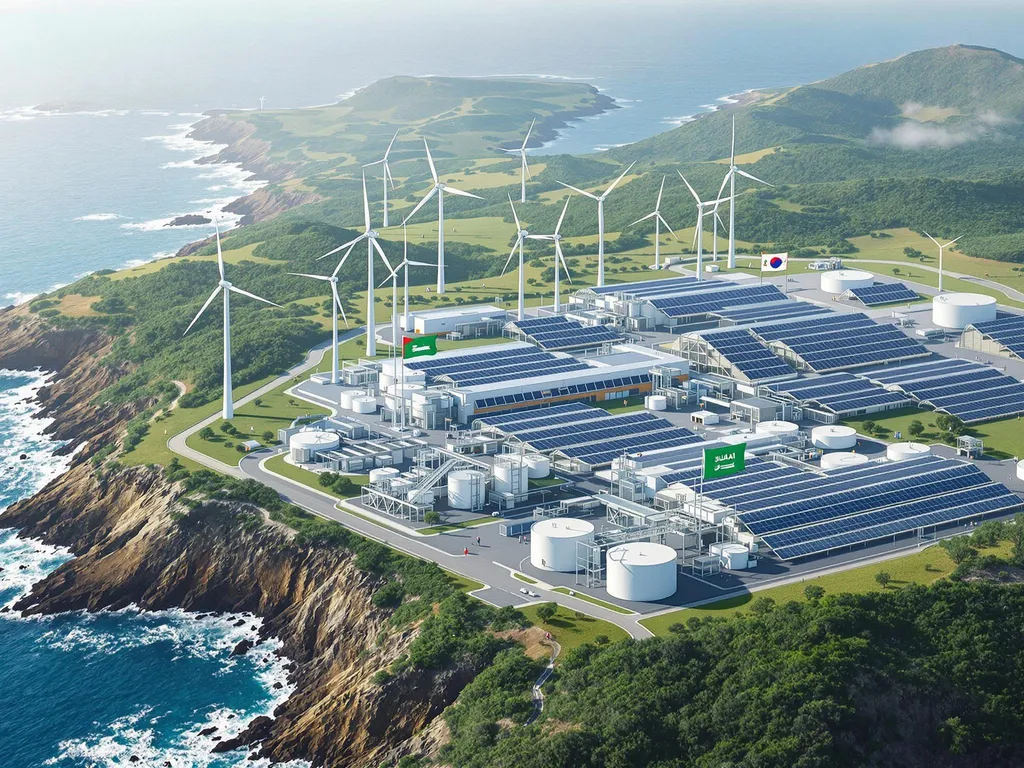
Jeju Island, often celebrated for its stunning volcanic landscapes and eco-tourism appeal, is stepping into a whole new spotlight—and this time, it’s not about beaches or hiking trails. South Korea’s southernmost island is fast becoming a real-world testing ground for something much bigger: green hydrogen. In a surprising twist of global teamwork, Saudi Arabia and South Korea are joining forces here, combining their unique strengths to bring the hydrogen economy to life.
Big Ideas, Bold Partners
According to a recent report from Saudi news outlet Okaz, Jeju is being molded into a kind of prototype—an example of how a sustainable hydrogen infrastructure can actually work. The plan weaves together fuel cell technology, electrolysis powered by renewables like solar and offshore wind, and smart grids that tie everything together. It’s all part of a bigger energy partnership where Saudi Arabia brings the money and natural resources, while South Korea contributes its cutting-edge tech and manufacturing expertise.
It’s more than just business—it’s synergy. South Korea leads the way when it comes to hydrogen systems integration and fuel cell innovation. Meanwhile, Saudi Arabia, guided by its ambitious Vision 2030, is diversifying fast, betting big on renewables and green hydrogen exports as it looks beyond oil.
Jeju’s Blueprint for a Greener Future
Jeju isn’t just dipping its toe into clean energy—it’s diving in headfirst. The island has already outlawed new internal combustion vehicles starting in 2030 and is chasing the goal of energy self-sufficiency. One of the cornerstones of that vision? Hydrogen. From pilot programs with hydrogen-powered buses to a growing network for hydrogen mobility and power, they’re all in.
The latest push is all about scaling up. Think full value chain: renewable-powered electrolysis to create hydrogen, new hydrogen pipelines and storage, and next-generation fuel cell deployment across everything from public transport to residential buildings. Jeju is quickly turning into a live-action laboratory for clean energy innovation.
So, why is this important to Saudi Arabia? For starters, these kinds of testbeds help work out the kinks before going global—think of it as a sandbox for perfecting the approach. Secondly, it sweetens Saudi Arabia’s long-term play to emerge as a major player in the global clean hydrogen market, especially in East Asia.
The Tech Behind the Transition
At the core of it all are some key technologies. The green hydrogen crafted on Jeju comes from PEM electrolyzers, running on 100% renewable energy—from the island’s abundant sunshine and strong coastal winds. That hydrogen is then fed into fuel cells that either generate power for the grid or propel vehicles around the island.
And here’s the beauty of fuel cell technology: it produces electricity through a chemical reaction between hydrogen and oxygen, and the only emission? Water. It’s clean, it’s quiet, and it works across everything from cars to home generators. With its mild climate and strong policy backing, Jeju is the perfect place to put this all to the test.
More Than Sustainability—It’s Strategy
This project isn’t just about chasing net-zero dreams—it’s part of a bigger regional chess game. Both countries are jockeying for influence in this next-gen energy race. South Korea has already laid down its own Hydrogen Economy Roadmap with big plans for hydrogen cars, fueling infrastructure, and domestic production. On the flip side, Saudi Arabia’s going massive—backing giga-scale hydrogen production sites and plotting export routes across the Red Sea and into the Indian Ocean.
As one energy analyst in Seoul put it, “What’s really compelling here is the model exchange. Jeju gives you city-scale innovation, and Saudi Arabia brings the national-level muscle. Connecting the dots between the two? That’s where the magic happens.”
Bigger Ripples, Global Impact
If Jeju’s test run pans out, it might not stop at the island. The same model could be rolled out to other island nations or remote regions that struggle with stable energy access. Investors and policymakers are already watching closely. For Saudi Arabia, it’s also a chance to evolve from just a fuel provider to a full-fledged partner in integrated hydrogen infrastructure—a whole new chapter beyond oil exports.
On the climate front, collaborations like this are more than helpful—they’re necessary. Green hydrogen is the ace up the sleeve for decarbonizing the tough sectors like heavy shipping, aviation, and industrial manufacturing. Big real-world deployments like this help prove it’s not just hype—it works.
A Glimpse at What’s Next
This partnership between Saudi Arabia and South Korea, brought to life on Jeju Island, is just the beginning. It’s a signal that the game is changing. As the global energy conversation shifts from fossil fuels to hydrogen and beyond, it’ll be strategic partnerships like this that determine who ends up leading the pack.
Jeju may only take up a small spot on the map—but when it comes to the future of industrial decarbonization and the growth of green hydrogen, it’s punching way above its weight.