Plug Power and Olin Launch 15TPD Hydrogen Liquefaction Plant in Georgia
Plug Power and Olin Corp. commission a 15TPD hydrogen liquefaction plant in Georgia, expanding North America's hydrogen infrastructure and strengthening Plug’s hydrogen ecosystem ambitions.
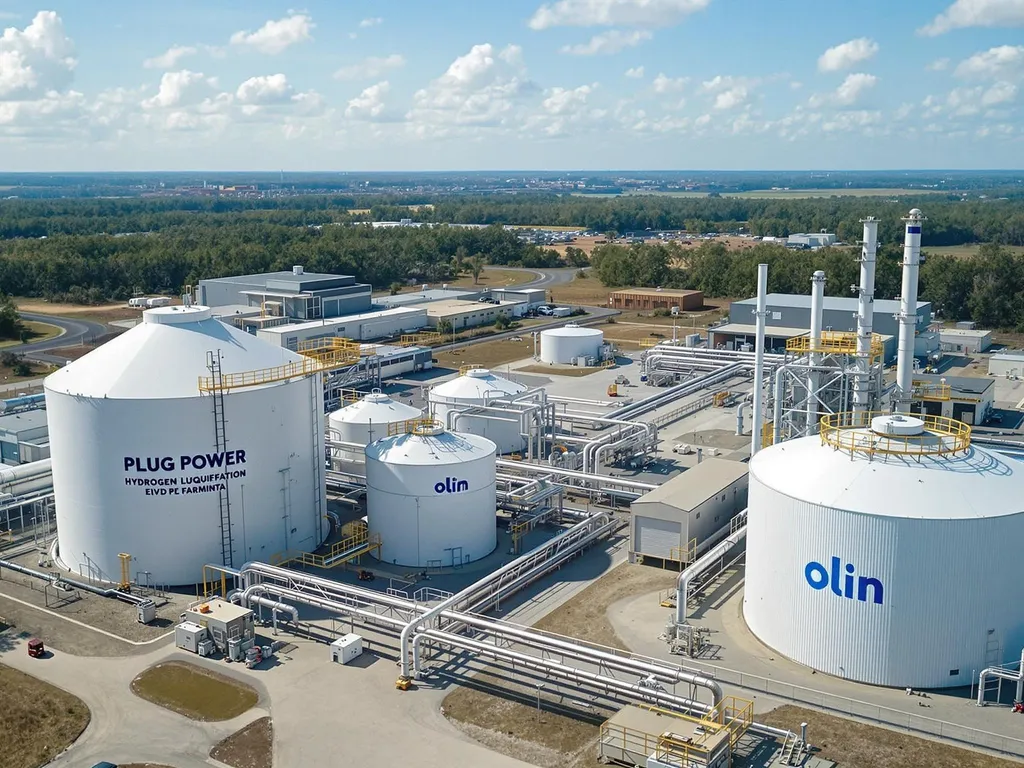
Plug Power and Olin Corporation have officially flipped the switch on their brand-new liquid hydrogen plant in Georgia, cranking out up to 15 tons per day. It's a major step forward in strengthening hydrogen infrastructure across North America—and it’s catching the attention of just about everyone watching the hydrogen space.
A Big-Picture Partnership with Real Reach
This plant isn’t just about flashy new tech—it’s the product of a strategic alliance that’s hitting on all cylinders. Plug Power brought its in-house hydrogen liquefaction technology to the table, while Olin contributed its deep bench of chemical manufacturing expertise and existing industrial footprint. Together, they’ve created a commercial-scale facility that can meet demand across mobility, industrial, and power sectors.
What makes this especially meaningful is that it directly tackles one of the industry's toughest challenges: transporting and storing hydrogen efficiently. Liquefaction has historically been expensive and energy-intensive—but this plant aims to cut those costs, making it easier to get hydrogen where it's needed most.
Georgia Takes the Spotlight
Georgia’s not the first place that comes to mind when you think of hydrogen, but that’s changing fast. Thanks to its strong logistics network—think the Port of Savannah and Hartsfield-Jackson Atlanta International Airport—the state is fast becoming a hub for hydrogen production and distribution in the Southeast and beyond.
This plant also fits right into Georgia’s broader push to reinvent itself as a center for clean tech and innovation. As more investment pours in to support energy transition projects, places like Georgia are helping redefine what American industrial growth looks like in a low-carbon world.
Behind the Scenes: Tech That Delivers
When it comes to building a real hydrogen economy, you can’t ignore the logistics problem. Transporting gaseous hydrogen over long distances is difficult and expensive. That’s where liquefaction comes in—by chilling hydrogen to a staggering -253°C, it shrinks the gas to a fraction of its original volume, making it much more manageable.
Plug Power’s liquefaction system uses a custom cryogenic cycle that cuts down on energy waste and boosts performance, especially compared to older technologies. As fuel cell technology continues to gain traction in applications like trucking, rail, and shipping, scalable liquid hydrogen will be absolutely key.
Plug Power’s Strategy: Full-Stack Hydrogen
This new plant says a lot about Plug Power’s bigger game plan. Even while facing its share of financial hurdles—in fact, auditors recently flagged a going concern risk—Plug is doubling down on a vertically integrated approach. From PEM electrolyzers to fuel cells and now liquefaction and distribution, the company is betting that owning every part of the value chain is how you win in hydrogen.
Partnerships are also a big part of the equation. Beyond Olin, Plug has already teamed up with giants like Amazon, Walmart, and SK Group. Olin, in particular, fits right in—they’ve been producing hydrogen as a byproduct of their chemical operations for years. Now, that hydrogen’s getting a whole new purpose.
Olin’s New Chapter in Clean Energy
Olin Corporation might be best known for its work in chlor-alkali and ammo manufacturing, but this move signals something bigger. The company is quietly repositioning itself as a player in industrial decarbonization, leveraging its existing assets to help build tomorrow’s clean energy supply chains.
They're not building something from scratch—they’re repurposing what they already do well to serve a fast-growing market. “We’re already making hydrogen, so why not make it count?”—that’s the vibe coming out of this pivot.
Why It Matters: Jobs, Growth, and Cleaner Industry
Don’t underestimate the impact of a 15TPD facility. This single plant boosts North America’s liquid hydrogen capacity at a time when demand—from aviation to steelmaking—is starting to outpace supply. That’s a big deal.
In practical terms, it means new jobs: engineers, technicians, plant operators, and more. But it also creates a launchpad for follow-on investments, like potential green hydrogen production via electrolysis right on-site.
And maybe most importantly, producing at this scale helps cut costs over time. Lower transport and infrastructure costs are still some of the biggest roadblocks to making hydrogen competitive with fossil fuels. This facility could help change that.
America Joins the Global Race
Plug and Olin's move isn’t happening in a vacuum. Around the world, other regions—especially in Europe and Asia—are scaling up hydrogen production and liquefaction to support cleaner industries and global trade. This Georgia facility puts the U.S. firmly in that conversation.
It also aligns well with federal policy momentum—think the Inflation Reduction Act and its generous tax credits for low-carbon hydrogen—and local efforts to create designated hydrogen hubs across the country.
What’s Next?
Everyone in the industry will be keeping a close eye on how things play out in Georgia. That means tracking operational performance, energy efficiency, and—maybe most importantly—who’s signing up to buy the hydrogen.
For Plug and Olin, this could be just the opening act in a larger rollout. With momentum building and early adopters looking to secure reliable supply, timing is everything.
Bottom line? Liquid hydrogen isn’t some sci-fi fuel anymore. It’s here, it’s flowing, and Georgia just became one of its most important launching pads.