Oxford-Led £9.5M Breakthrough Project to Advance Cryogenic Hydrogen for Zero-Emission Aviation
Oxford University leads £9.5m research with Rolls-Royce, Airbus & others to develop LH2 gas turbines for zero-emission aviation. A key move for UK's hydrogen leadership.
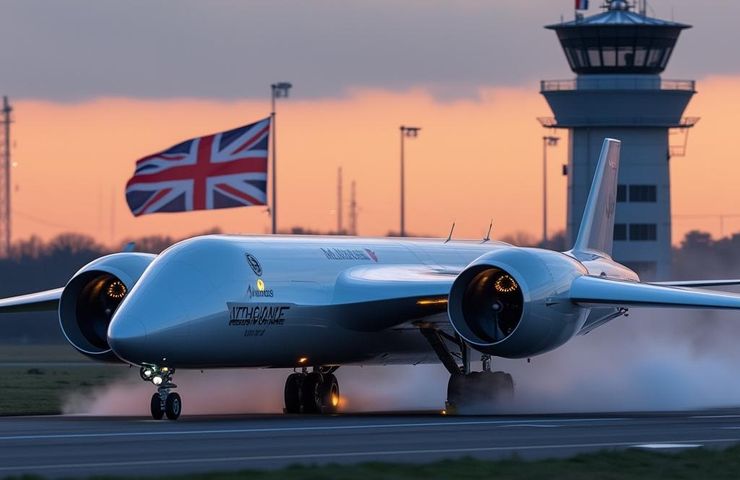
Oxford University is leading the charge on a groundbreaking £9.5 million project that could change the future of flying as we know it. The focus? Cracking the code on using cryogenic liquid hydrogen (LH2) to power jet engines, paving the way for zero-emission technology in mid-range flights. Funded by the Engineering and Physical Sciences Research Council (EPSRC) and supported by top academic and industry heavyweights, this is the UK’s boldest move yet to bring clean aviation into the mainstream.
Big Names, Big Ambitions
Unveiled on June 25, 2025, at the Oxford Thermofluids Institute, the project is pulling together some serious brainpower. Think Imperial College London, Loughborough University, and King’s College London alongside industry legends like Rolls-Royce, Airbus, Boeing, Honeywell, and hydrogen aviation leader ZeroAvia. Even the European Space Agency (ESA) is in the mix, bringing its deep cryogenics knowledge—which could impact everything from planes to space exploration.
The real challenge? Figuring out how to store and burn LH2 efficiently and safely at 30,000 feet. We’re talking storage at a bone-chilling -253°C, managing combustion airflow, and reducing the risk of leaks—all without missing a beat on performance. No small feat.
Why This Matters Now
This isn’t just about future tech—it’s a strategic move with major global stakes. Aviation adds up to about 2% of all energy-related CO₂ emissions, and while Sustainable Aviation Fuels (SAFs) offer some progress, hydrogen has the potential to turn the entire game on its head. If the tech team can solve the tough stuff, hydrogen-powered flight could become the norm, not the exception.
With Rolls-Royce already completing a successful test of a hydrogen-powered jet engine and EU programs like Horizon Europe charging ahead, this project puts the UK right in the race to set global norms for zero-emission technology in aviation—from safe infrastructure to scalable, commercial aircraft platforms.
Under the Hood: The Tough Tech
The project’s beating heart is a dual-tech strategy: using liquid hydrogen in gas turbines and exploring hydrogen fuel cells. One keeps the classic jet engine feel, the other leans into electric power using hydrogen and oxygen to generate clean energy.
But there’s a long to-do list before either goes mainstream. For LH2-powered gas turbines, the team needs to:
- Safely store hydrogen at below -250°C without leaks or material failures.
- Redesign turbines to handle the new burn characteristics and control nitrogen oxides (NOx) emissions.
- Develop brand new airport fueling systems—think cryogenic pumps and new safety rules on the ground.
On the other front, hydrogen fuel cells—being pushed by ZeroAvia and Honeywell—skip combustion altogether. Instead, they deliver electric power directly, which makes for a quieter, cleaner, and potentially more scalable solution. But they still face challenges with performance, range, and—once again—hydrogen storage.
Changing More Than Just the Engines
If this all works out, the ripple effects will be huge. Airports would need a full-on revamp to handle cryogenic refueling. The aerospace workforce would need reskilling—from turbine mechanics to fuel cell engineers. And then there’s the supply chain: from how hydrogen is sourced, to how aircraft are certified, to who trains the next generation of engineers.
This is less of a tech upgrade and more of a full reboot. It’s a leap toward a sustainable energy future that creates jobs, reshapes education, and carves out new roles in a rapidly evolving aviation economy.
Rules Still Catching Up
The tech might be moving at jet speed, but the regulations? Not so much. The UK’s Civil Aviation Authority (CAA) is rolling out its Hydrogen Challenge to figure out how to certify these next-gen planes for commercial use. It’s not just about making the tech fly—it’s about making sure it’s safe, regulated, and works both nationally and across borders.
With the EU, US, and ESA all involved, there's clearly a push for aligned international rules. Without that, you can bet hydrogen-powered flights will stay grounded on the global stage.
Where We’re Headed
Hydrogen fuel cells and liquid hydrogen combustion are no longer fringe tech—they’re fast becoming must-haves in the race to decarbonize air travel. With support from EPSRC and a dream team of researchers and engineers, this project could well be the turning point. It’s aiming to make emission-free flights not just possible, but practical—even for commercial airlines.
There’s still a steep climb ahead. But one thing’s for sure: sustainable energy in the skies isn’t years away—it’s already taxiing for takeoff. The big question now is, how fast can we clear the runway?