Oman and Netherlands Join Forces for Green Hydrogen Infrastructure Development
Oman and the Netherlands deepen ties with a 2023 agreement to develop green hydrogen and CCUS infrastructure, aligning with Oman's Vision 2040 and Europe's hydrogen import ambitions.
Oman’s Pivot Towards Green Hydrogen Gains Global Backing
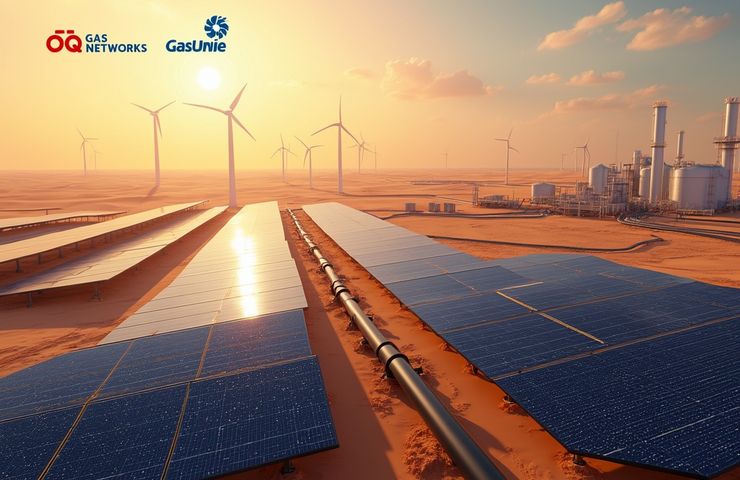
OQ Gas Networks SAOG, Oman’s national gas transmission company, has taken a big leap forward in the green energy race. It’s teaming up with the Netherlands-based Gasunie Waterstof Holding B.V. to jointly develop critical green hydrogen infrastructure and work together on carbon capture, utilization, and storage (CCUS). This partnership builds on momentum from their initial collaboration at the 2022 UN Climate Conference (COP27), and it’s another sign that Oman is serious about becoming a major player in clean energy exports.
From Fossil Fuel Foundation to Renewable Future
Historically, OQGN has been a cornerstone of Oman’s gas-fueled economy, but times are changing. With Vision 2040 steering the country toward economic and energy diversification, it’s only fitting that Oman leverages its expertise to drive the shift toward green hydrogen. The country’s got what it takes—abundant sun and wind power—to support large-scale hydrogen production through electrolysis. And global interest is heating up fast.
Enter Gasunie, a seasoned player in gas infrastructure back in the Netherlands. As Europe transitions away from fossil fuels, countries like the Netherlands are scrambling to lock in future hydrogen supplies. Oman, blessed with resources and geo-strategic location, is high up on that wish list.
Why This Partnership is a Big Deal
The agreement lays out clear objectives: evaluate what it takes to establish a reliable hydrogen transport system, collaborate on CCUS, exchange technical know-how, and explore long-term business opportunities. At its core, it’s about building something solid—scalable, investable hydrogen infrastructure—to connect hydrogen-rich nations with energy-hungry markets like northwest Europe.
Oman is already lining up alongside rising hydrogen-exporting stars like Saudi Arabia, Australia, and Chile. What sets it apart? Location, location, location. With direct access to major shipping routes and a government eager to back renewables, Oman’s making all the right moves to earn international trust—and investment.
The Tech Angle: Electrolysis and CCUS in Focus
Electrolysis is at the heart of Oman’s green hydrogen playbook. By using renewable energy to split water into hydrogen and oxygen, technologies like PEM and alkaline electrolyzers will likely be rolled out in big volumes. With strong solar output and plenty of land to work with, Oman is shaping up to be a Middle Eastern hub for solar-powered hydrogen production.
The country isn’t stopping there. It’s also diving into Carbon Capture, Utilization, and Storage technologies to curb emissions from heavy industry and support cleaner blue hydrogen projects. That’s where the Dutch connection pays off—Gasunie is already involved in flagship CCUS projects like Porthos and Aramis in the North Sea, so they bring major expertise to the table.
What This Means for the Global Hydrogen Economy
This isn’t just another head-nod deal between two companies—it reflects a global trend. Countries rich in renewable potential are partnering with experienced energy firms to fast-track a real hydrogen market. Similar partnerships are popping up elsewhere, like ACWA Power’s NEOM hydrogen venture in Saudi Arabia and Germany’s H2Global initiative connecting southern producers with European buyers.
An EU energy analyst summed it up well: “We’re moving past talk. Countries are now laying the groundwork—whether it’s building the pipelines, shaping policy, or locking down funding—to make this hydrogen economy a reality.”
A Win-Win in the Making
So what’s in it for both sides? For Oman, it’s a chance to attract foreign investment, create jobs, and establish a fresh export stream outside of oil. Green hydrogen could be the country's next big economic engine—cleaner, globally in demand, and with fewer political entanglements than fossil fuels.
For the Netherlands, securing diverse hydrogen supply chains aligns perfectly with its REPowerEU goals and long-term climate plans. Partnering directly with producers like Oman means more control and visibility over where their future energy is coming from—and how it’s being made.
What’s Next?
There’s more in store. Future announcements could include targets for electrolyzer capacity, test runs for CCUS solutions, and detailed plans for moving hydrogen across borders via new pipelines. It's not just theory anymore—if all goes to plan, actual hydrogen shipments from the Middle East to Europe could be underway by the end of the decade.
As one observer put it, "Hydrogen partnerships are the new energy diplomacy." And in the case of Oman and the Netherlands, that diplomacy is already hard at work—crunching the numbers, building the systems, and chasing the funding to make it happen.