IMO Finalizes Seafarer Training Guidelines for Methanol and Ammonia
The IMO’s HTW Sub-Committee has finalized interim seafarer training guidelines for methanol and ammonia-fuelled ships, with MSC 111 approval due in May 2026, marking a pivotal step toward safe adoption of alternative marine fuels.
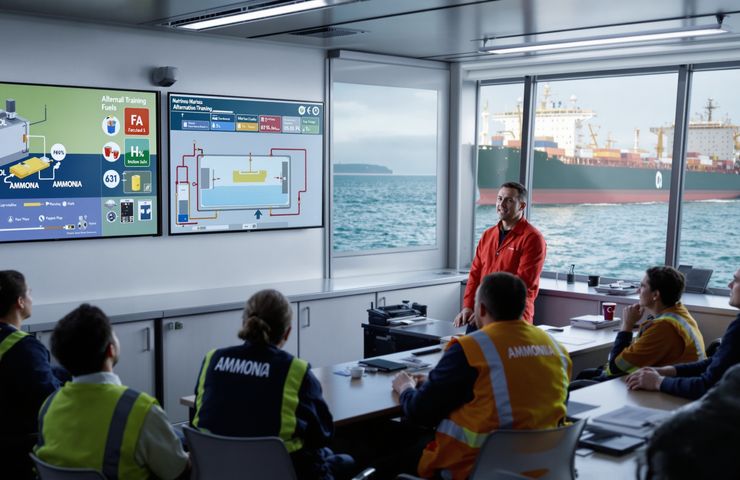
Right now, the maritime industry is at a real crossroads in its push for shipping decarbonization. Regulators, operators and everyone in between are under the gun to slash greenhouse gas emissions, and that’s why alternative fuels like marine methanol and ammonia fuel are stealing the spotlight. Of course, swapping out traditional bunker fuels isn’t as simple as a quick refuel—handling these new fuels safely means seafarers need fresh skills and know-how. To tackle that, the IMO’s Human Element, Training and Watchkeeping (HTW) Sub-Committee met in London from 23 to 27 February 2026 and finalized draft interim IMO guidelines for seafarer training.
Lloyd’s Register and BIMCO have been keeping tabs on this effort. Their non-mandatory framework lays out the must-have competencies for crews working on vessels powered by marine methanol (that’s methyl and ethyl alcohol) and ammonia fuel. These fuel-specific guidelines build on the generic interim training standards the IMO’s Maritime Safety Committee (MSC) approved back in 2024. Next stop? MSC 111 in May 2026, where they’re up for formal approval.
Maritime Decarbonization Demands New Training
With global bunker prices all over the place—very low sulfur fuel oil was around $659 a ton and marine gasoil hit $1,029 a ton in March 2026—shipowners aren’t just chasing green creds; they’re eyeing more predictable costs too. Marine methanol cuts CO₂ emissions and works with tweaked internal combustion engines, while ammonia fuel burns with zero carbon but brings serious toxicity concerns. Bottom line: safe adoption depends on crews having solid theory and hands-on drills to manage these quirks.
Historical Journey to Interim Guidelines
This all kicked off in 2024, when MSC 110 signed off on a broad interim training framework covering various alternative fuels. From there, the HTW Sub-Committee set up correspondence groups, roping in the Maritime Just Transition Task Force and industry experts to craft detailed modules. After workshops, expert reviews and plenty of back-and-forth, the first draft for methanol and ammonia training landed at HTW 12.
Draft Guidelines at HTW 12
The draft covers everything from fuel properties and transfer ops to engine room management, leak detection and emergency response. It uses a modular curriculum, so each fuel gets its own focus while still fitting into the bigger alternative-fuel picture. And it’s flexible: whether your ship falls under the IGF Code or some other scheme, administrations can weave these modules into existing courses or run them as standalone sessions.
Industry Collaboration and Technical Support
Lloyd’s Register was instrumental in shaping the technical side, sharing best practices on system safety, containment and protective gear. BIMCO made sure things stayed practical and harmonized across flag states, pushing for guidance that training centers and shipowners could actually roll out. It’s a team effort—classification societies, shipowners, equipment makers and regulators all pitched in to make these guidelines robust and usable.
Challenges and Considerations
Designing top-notch seafarer training for marine methanol and ammonia fuel means striking the right balance between classroom theory and live drills. Methanol’s lower flash point and nearly invisible flame require special firefighting tactics, while ammonia’s toxicity demands reliable leak detection and strict exposure limits. Training centers need realistic simulators, gas detectors and proper PPE—and smaller schools in developing regions might need help with funding and tech support to get there.
Bridging to STCW Updates
Once MSC 111 gives the nod, these interim guidelines will feed into the STCW Convention, setting global benchmarks for seafarer certificates by 2029. The upcoming STCW refresh is more than just methanol and ammonia—it’ll cover hydrogen fuel cells, LPG, battery storage and wind-assisted propulsion too, reflecting the IMO’s eye on future crewing standards as part of broader shipping decarbonization.
Forward Look: Integrating Innovation
Digital tools are set to transform how we deliver these training modules. Imagine VR and AR setups that let crews practice methanol leak drills or ammonia exposure scenarios in a risk-free environment. Couple that with e-learning and remote assessments, and seafarers everywhere can keep their skills sharp—even if they’re halfway around the globe.
Next Steps and Future Work
After MSC 111’s green light in May 2026, national administrations and maritime academies will race to develop and certify the courses. Shipowners, equipment makers and classification societies will team up on curricula, simulator buys and instructor accreditation. The IMO’s HTW work plan for 2026–2029 already has hydrogen fuel cells on deck next, followed by LPG, batteries and wind propulsion. Correspondence groups and expert panels will keep drafting interim guidance for each new tech, so training stays in step with innovation.
Supporting Safe Adoption and Decarbonization
These interim IMO guidelines are a major milestone toward harmonized crewing standards for alternative fuels. By spelling out competencies for handling marine methanol and ammonia fuel, the IMO and its industry partners are bolstering both safety and environmental goals. As shipping phases out fossil fuels, a well-trained crew will be key to managing risks and making a cleaner maritime future a reality.
With clear training pathways in place, the IMO is setting the stage for a resilient, skilled workforce that can power the industry’s green ambitions and keep operations safe. Preventing incidents is about more than checkboxes—it’s about building trust with regulators, communities and the general public. As the sector races toward zero-emission tech, these guidelines’ success will hinge on wide adoption, solid implementation and ongoing teamwork among regulators, trainers and seafarers.
And let’s not forget: as the fleet of marine methanol- and ammonia fuel-powered vessels grows, every incident report and shared best practice will feed into periodic guideline reviews. This dynamic approach ensures the IMO and industry stakeholders can tweak training, spotlight new risks and keep crews ready for whatever challenges the decarbonized maritime world throws their way.