Hydrogen-Fueled Turboprop Achieves Flight-readiness in Breakthrough for Zero-Emission Aviation
Turbotech has successfully tested a zero-emission hydrogen turboprop for light aircraft, leveraging Ansys simulations. It's a turning point for aviation decarbonization.
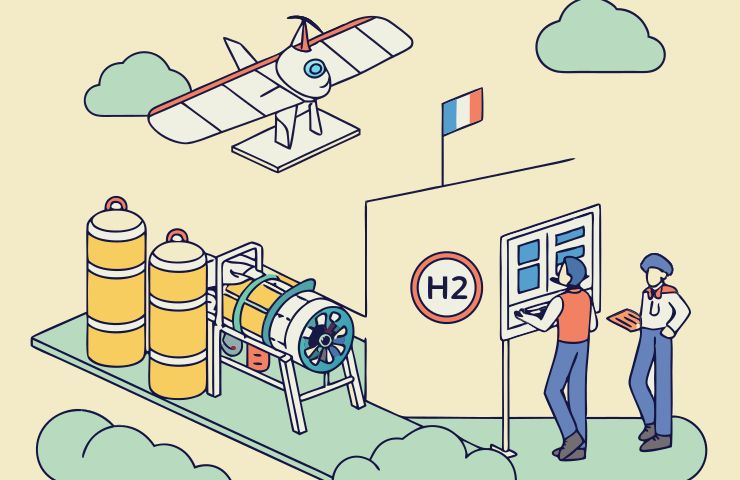
France just notched a major win in the race toward zero-emission aviation. On June 10, 2025, Turbotech, with heavyweight partners like Ansys, Safran, Air Liquide, Daher, and Elixir Aircraft, pulled off something big: the first long-duration test of a hydrogen-fueled turboprop built for light aircraft. This test is a major piece of the national BeautHyFuel initiative, and honestly, it’s one of the clearest signs yet that clean aviation in Europe isn’t just a dream—it’s gaining serious altitude.
Moving the Needle on Light Aircraft Propulsion
What’s the big deal here? For starters, this hydrogen turboprop ran for over 30 hours using cryogenically stored hydrogen, delivering real thrust without kicking out a single gram of carbon emissions. Even cooler? They did it with far fewer physical prototypes than usual. Ansys's Fluent simulation software did the heavy lifting, helping Turbotech refine the design, cut development costs, and confirm the engine could handle extreme conditions—all before anything actually flew.
Let’s be honest, making hydrogen turbines work isn’t easy. Storing the fuel, managing heat, ensuring safety—it’s all tricky. But by focusing on light aviation, this team kept things focused and manageable. And in that sweet spot, a viable solution took flight where others have stalled.
From Concept to Clear Business Potential
So what does this mean for the industry? Simply put—the ripple effects are huge:
- Turbotech just staked its claim as a key player in hybrid and zero-emission aviation.
- Ansys proved that a simulation-first approach can dramatically speed up the hardware game for clean-tech.
- Safran and Daher throwing their weight behind the project shows it’s not just a tech demo—it’s headed toward commercial skies.
And let’s not overlook Air Liquide’s role here. Their hydrogen infrastructure support is what makes this whole thing more than a one-off. You can build the best engine in the world, but if there’s no fuel supply chain? You’re grounded. Air Liquide is helping solve that part of the puzzle.
Why France? The Stars Kind of Aligned
Of course, this breakthrough happening in France makes total sense. The country already has a strong aerospace backbone and government agencies that genuinely back sustainable tech. The French Civil Aviation Authority (DGAC) has been instrumental, funding research like BeautHyFuel and ensuring that new tech aligns with upcoming certification and environmental standards. That kind of early-stage support is what turns good ideas into operational aircraft.
Design in the Digital Age: The 'Thread' That Pulled It All Together
A big part of the project’s success lies in its use of a ‘digital thread’—basically, a way to track and apply all design, test, and performance data throughout the product’s life. It may sound like buzzword bingo, but in practice, it’s made the whole process faster, more reliable, and much cheaper. Turbotech’s breakthrough shows that with the right tools, others in the clean aviation space can replicate this kind of success.
Why This Engine Matters
Let’s take a step back. The aviation industry is under massive pressure to clean up its act, and this hydrogen-fueled turboprop offers something that battery-powered aircraft often can’t—high power-to-weight performance. That’s critical, especially for lightweight aircraft where every extra pound matters. Hydrogen combustion in turbines could be the sweet spot between today’s fossil-fuel engines and the clean engines of tomorrow.
Even more promising, Turbotech’s cryogenic hydrogen storage sidesteps the heavy infrastructure demands of fuel cells. That opens up adoption possibilities in places where building a full hydrogen fuel cell network might be a long shot.
Next Stop: Real Skies
Is this the finish line? Not even close. But it is a huge first step. As the BeautHyFuel project moves forward, the focus shifts to scaling, integrating into live aircraft platforms, and nailing down safety and certification requirements. If that goes smoothly, we might be looking at early versions of hydrogen-powered regional aircraft—and even futuristic VTOLs—not too far down the runway.
One engineer summed it up perfectly after the demo: “This tells the industry and regulators that speed and safety don’t have to be at odds. With the right digital tools and teamwork, clean aviation isn’t just coming—it’s already taking off.”
The Road Ahead
Sure, there’s still heavy lifting ahead. Getting onboard with hydrogen at scale means growing the hydrogen infrastructure, bringing down costs, and translating these breakthroughs into certified, full-scale aircraft. But this test shows that with the right mix of tech, support, and ambition, the phrase “sustainable aviation” can be more than a talking point—it can be reality.
Hydrogen aviation just got a whole lot more real.