Hydrogen Fuel Cells Take Flight in Blue Condor Mission to Measure Climate Impacts at 30,000 Feet
The Blue Condor Mission is taking hydrogen fuel cell aviation to new heights with live data collection on contrails and emissions. Backed by German aerospace leaders, the project will shape the future of zero-emission flight.
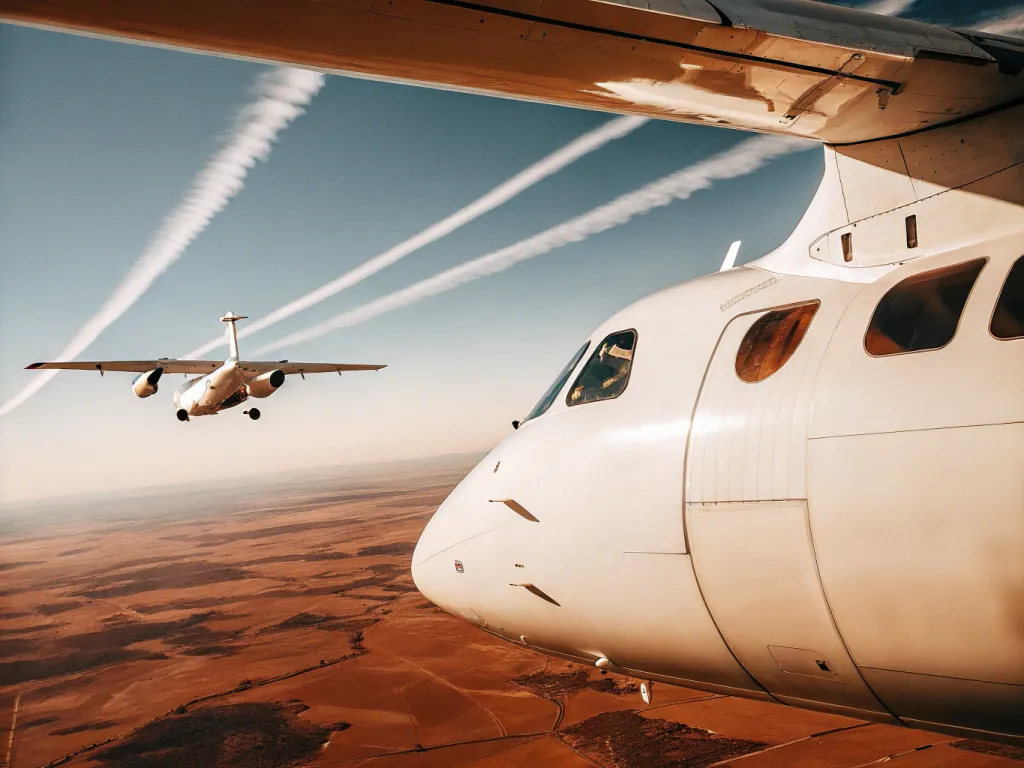
High above the clouds, a small aircraft is taking on one of aviation’s biggest climate mysteries: what really happens when you burn hydrogen at cruising altitude?
Flying Into a Cleaner Future
Meet the Blue Condor Mission — a bold, research-driven project that’s part high-altitude adventure, part climate science crusade. This isn’t just a test flight. It’s a deep dive into what hydrogen-powered aircraft could mean for the future of clean aviation. And it all starts in Germany, where some of the top minds in aerospace are coming together to figure out if hydrogen can truly deliver on its promise of zero-emission air travel.
At the center of it all is a specially modified Dornier 328 outfitted by Deutsche Aircraft, running on a state-of-the-art hydrogen fuel cell system from H2FLY. The mission? Cruise high, burn hydrogen, and gather the data climate models are currently missing — especially when it comes to contrail emissions.
Contrails: More Than Just Pretty Streaks
Those white trails behind planes — contrails — might look harmless, but they actually play a big role in trapping heat in our atmosphere. While switching to hydrogen cuts out carbon emissions, there’s a catch: if hydrogen combustion produces more or longer-lasting contrails, we might still end up warming the planet. That’s the big question the Blue Condor Mission hopes to answer.
Using cutting-edge tools from the German Aerospace Center (DLR), the team is measuring everything from water vapor levels to the tiny particles inside contrails at cruising altitudes. Flights are already happening, and the data will soon feed into major climate models across Europe and beyond.
The Dream Team Behind the Mission
This project might be headquartered in Germany, but its goals span the globe. H2FLY, the Stuttgart-based hydrogen flight trailblazer, developed the fuel cell system powering the plane. They’ve been in the game since 2015 and are the folks behind the HY4 — the world’s first hydrogen-powered passenger aircraft.
Deutsche Aircraft brings with it decades of Dornier’s aviation expertise, and it's also working on the upcoming D328eco — designed with hydrogen propulsion in mind. Meanwhile, DLR adds the scientific backbone, with its advanced experience in everything from atmospheric research to satellite observation.
A Look Under the Hood
Most of the excitement is happening miles above us, but the tech powering this mission is just as fascinating. At its core is H2FLY’s hydrogen fuel cell platform, using a proton exchange membrane (PEM) to turn hydrogen into electricity on board. It runs at lower temperatures — perfect for aviation — and only releases water vapor. That’s a win for sustainable energy, but also a factor they need to watch carefully when measuring environmental side effects.
To see what’s really happening in the sky, DLR’s instruments ride on chase planes, capturing contrail data with lidar and spectroscopy — right there at 30,000 feet. It’s a rare chance to watch the impact of hydrogen fuel cells play out in real-time, not just in theory.
Crunching the Numbers
It’s not just about flying for fun — this is serious science. Everything they gather will refine how we model high-altitude emissions, fine-tune future hydrogen propulsion system designs, and help regulators make smarter decisions about hydrogen-powered aircraft in real-world skies.
The hope? We learn how to plan smarter flight paths that cut down on warming contrails — maybe by flying at different altitudes or in certain weather. This could smooth the path toward certifying hydrogen-powered aircraft and win over doubters in both government and industry.
Learning From the Past, Soaring Into the Future
Hydrogen flight isn’t some brand-new idea. Engineers were playing around with it way back in the mid-1900s. But now, with the pressure to decarbonize aviation kicking into high gear, and hydrogen fuel cells finally ready for prime time, we’re reaching critical altitude. The Blue Condor Mission builds on real progress — from the HY4’s success to the D328’s technical evolution — to deliver the kind of data we can’t just simulate in the lab.
Bottom Line: Eyes on the Skies
The Blue Condor flight isn’t just another experiment. It’s a peek into aviation’s next chapter — one where we weigh up the real climate trade-offs of going from kerosene to hydrogen. If the data shows that contrails from hydrogen don’t cancel out its green benefits, that’s a huge step toward a cleaner flying future.
Because, let’s face it — without real-world data from up high, we’re just guessing. Thanks to missions like Blue Condor, the sky’s finally clearing up — literally and figuratively — as we move toward true aviation decarbonization.
And as the planet warms — and the pressure builds — all signs point to hydrogen being a central piece of the solution. But only if we keep asking the hard questions… and flying high to find the answers.