Hydrogen Fuel Cells Poised to Power Indonesia’s Industrial Zones with New Joint Feasibility Study
Indonesia pushes forward on hydrogen fuel cells for industrial decarbonization, as KCE, Air Liquide Indonesia, and HDF Energy begin feasibility study for zero-emission power.
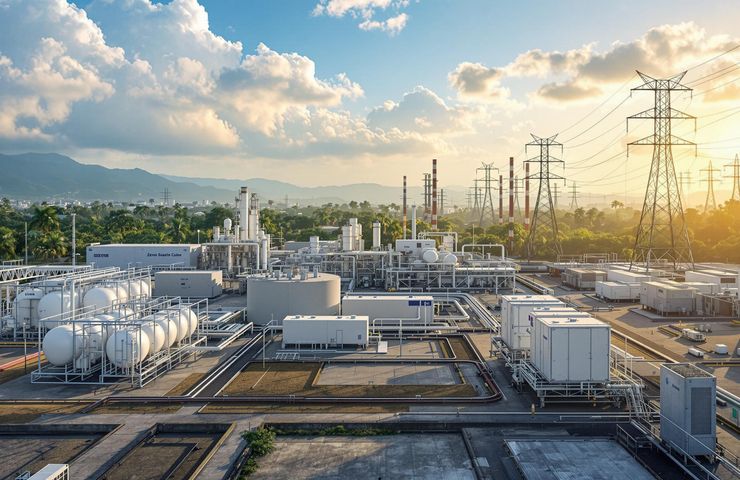
PT Krakatau Chandra Energi (KCE), Air Liquide Indonesia, and France’s HDF Energy are teaming up on a bold new effort to bring hydrogen fuel cells into Indonesia’s industrial energy mix. On June 30, 2025, the three players kicked off a Joint Feasibility Study (JFS) to figure out whether hydrogen could play a meaningful role in pushing the country toward its zero-emission technology goals—specifically in major industrial zones where energy use and emissions are especially high.
Here’s What They're Looking At
- The study will explore whether hydrogen fuel cells make sense from a technical, commercial, and environmental point of view.
- Heavy focus is placed on industrial zones, the power-hungry backbones of Indonesia’s economy—and some of its biggest polluters.
- Hydrogen is gaining traction in both policy discussions and industrial boardrooms as a core part of Indonesia’s energy transition.
- This effort brings together deep local insight and world-class expertise in fuel cell tech, industrial gas handling, and energy infrastructure.
So, Why This Partnership—and Why Now?
Indonesia’s energy system is at a crossroads. The country wants to scale down its reliance on coal while ramping up power production to keep up with booming industry. Hydrogen—especially the kind made from renewable sources—is increasingly being seen as a clean, flexible solution. The government has even started weaving it into national energy roadmaps, and industry is taking note.
This new joint study is part of that growing momentum. KCE, which is part of the CDI Group, offers boots-on-the-ground knowledge of Indonesia’s energy landscape. Air Liquide Indonesia, a key player in the world’s hydrogen space, brings expertise in managing large-scale hydrogen production and logistics. And then there’s HDF Energy, whose bread and butter is building full-on, ready-to-go fuel cell power plants. Together, they form a powerhouse trio.
Why Focus on Industrial Zones?
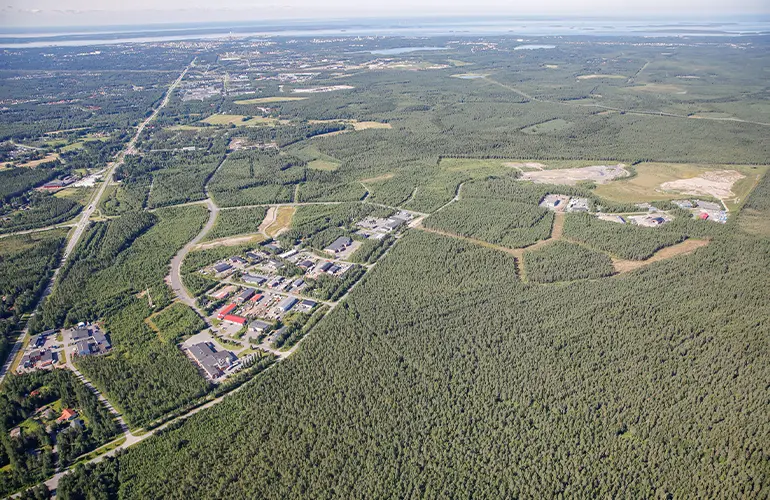
Let’s face it—Indonesia’s industrial areas, from Java to Sumatra, are major energy users, and most of that power still comes from fossil fuels. That makes them prime candidates for hydrogen fuel cell solutions. Unlike traditional diesel or coal-based systems, hydrogen cells only produce electricity, heat, and water. No smoke, no carbon—just clean power.
The team behind the JFS is looking at a range of possibilities—like turning waste gases or renewably sourced hydrogen into steady, on-demand electricity for factories. This isn’t just some green vanity project. If it works, it could provide a model for other countries in the region grappling with the same issues.
The Bigger Picture: High Stakes, High Rewards
- The Indonesian government is under growing pressure to meet global climate commitments and modernize its industrial sector.
- A successful pilot project from this study could pave the way for more foreign investment in hydrogen infrastructure.
- HDF Energy is already betting big—with a €2.3 billion deal signed to develop 23 hydrogen-powered projects in Indonesia.
- It’s part of a wider trend: Southeast Asia’s hydrogen ambitions are heating up, fast.
How the Technology Works
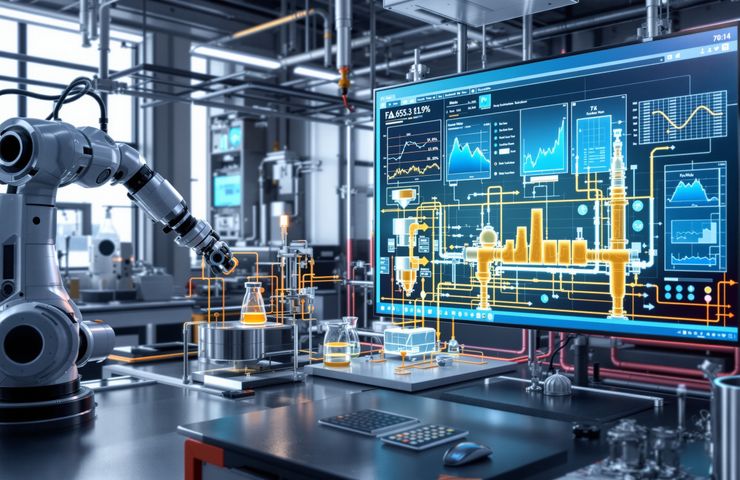
In simple terms, hydrogen fuel cells generate energy by slamming hydrogen and oxygen together in a chemical reaction. The result? Electricity, heat, and water. Unlike batteries, which need recharging, fuel cells just keep going as long as they’ve got hydrogen coming in. That makes them a great fit for industry, where power needs are big and constant.
The study won’t just look at how the tech performs—it’ll also explore the nuts and bolts: how to store hydrogen safely, how to produce it onsite, and how to make everything work with today’s grid and setups.
Why It Matters Beyond Indonesia
This isn't just another handshake photo-op or memo-of-understanding that goes nowhere. The local know-how, the global technical chops, and the clear industrial use case put some real weight behind this study. Indonesia isn’t just dipping a toe in—it’s setting itself up to be a regional hydrogen hub.
And it doesn’t stop at power. With the right moves, hydrogen could feed into green exports like clean ammonia and e-fuels, creating entirely new revenue streams for Indonesia’s economy—and greener ones, at that.
What to Watch Moving Forward
This isn’t just about whether fuel cells can power a few factories. If Indonesia can make this work—technically and financially—it could set off a ripple effect across Southeast Asia. Countries with similar industrial challenges will be watching closely.
All eyes now turn to KCE, Air Liquide, and HDF Energy as they roll up their sleeves and dig into one of the region’s most important sustainability questions: can hydrogen fuel cells power the future of Southeast Asia’s industry?