Hydrogen Fuel Cells Poised to Boost Resiliency at PDX with Mobile Zero-Emission Backup Power
Portland International Airport teams up with PNNL, Sandia Labs, and DOE to explore using hydrogen fuel cell buses not only for zero-emission transit—but also as mobile generators during earthquakes.
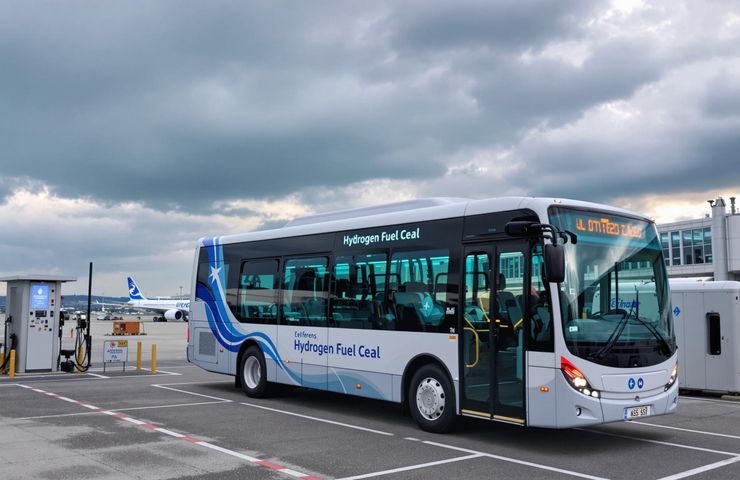
Hydrogen fuel cells aren’t just powering vehicles anymore—they’re getting a starring role in emergency preparedness. At Portland International Airport (PDX), a new pilot project is testing how these clean-energy buses can double as mobile backup generators. Think: zero-emission shuttle buses that charge passengers one day and power buildings the next when disaster hits.
When Clean Energy Means Staying Powered
PDX sits right on top of the Cascadia subduction zone, one of the most earthquake-prone areas in North America. It’s not a question of if a big quake will hit—it’s when. That looming threat has the airport rethinking how it keeps running when the ground stops cooperating. With grid power potentially out and diesel generators not always ideal, PDX is turning to an innovative idea: repurposing hydrogen-powered fuel cell electric buses (FCEBs) as mobile energy hubs that can jump into action during a crisis.
This forward-thinking project is backed in part by the U.S. Department of Energy (DOE) and includes big-name partners like Pacific Northwest National Laboratory (PNNL) and Sandia National Laboratories. Together, they’re taking a dual-aimed swing at two major goals: decarbonizing airport ground transportation and upgrading emergency response capabilities with zero-emission technology.
A New Role for Fuel Cell Buses
Here’s where it gets clever: These buses generate electricity on the go, combining hydrogen and oxygen to produce power—emitting only water vapor. Most days, they’ll simply run their usual routes, ferrying travelers between terminals. But when the unexpected happens, they’re ready to transform into mobile microgrids, delivering electricity right where it's needed.
Compared to diesel or battery-powered backups, fuel cell technology comes with some real perks: longer run times, faster refueling, and no need to rely on the grid. In a crisis, that flexibility makes all the difference. This kind of versatility could reshape how we think about fleet vehicles—not just as transportation, but as portable power providers, too.
Homegrown Innovation with Big Possibilities
PDX isn’t new to trying bold, green ideas. Back in the day, they cleaned up their fleet by switching over to compressed natural gas (CNG). Now, with more federal momentum behind regional hydrogen infrastructure—like the Pacific Northwest Hydrogen Hub launched by the DOE in 2023—the move to hydrogen just makes sense. It’s a natural next step in building both sustainability and energy resilience into the airport’s future.
The studies behind this project show that hydrogen fuel cells are especially useful when traditional energy systems take a hit—say, due to earthquake damage or fuel shortages. And if the airport adds on-site hydrogen production in the future, it could reduce outside dependencies even further, beefing up campus-wide autonomy during an emergency.
Hydrogen Power That Does More Than Move
This isn’t just another clean energy project. If it works, PDX could set a template for airports across the country—or even military bases and critical infrastructure anywhere facing natural disaster threats and aging backup systems. It shows how green hydrogen and fuel cell technology can go beyond transportation, letting us build smarter, more adaptable energy solutions right into our everyday infrastructure.
There’s a ripple effect, too: lower greenhouse gas emissions, stronger demand for hydrogen refueling and storage systems, and more job opportunities in the clean energy space. Of course, challenges like safety regulations, fueling logistics, and integrating new tech into daily operations still need to be sorted—but the long-term payoff could be massive.
What’s Next? Waiting for Lift-Off
With testing nearly complete, everyone’s watching to see if this will be the first large-scale, dual-use hydrogen bus deployment in the U.S. What PDX, DOE, PNNL, and Sandia are crafting isn’t just high-tech—it’s a smart use of public investment that could nudge the entire country toward more resilient, sustainable energy solutions.
It’s a timely experiment with the potential to shift how we think about zero-emission technology and emergency power—making it not only cleaner, but also smarter and more flexible for a future that demands both.