
News
Hydrogen Fuel Cells Lift Off: BSA's Dragonfly Moves Closer to First Flight
Blue Spirit Aero’s hydrogen-powered Dragonfly completes taxi tests and targets a 2026 flight. A gamechanger for flight training, the zero-emission aircraft leverages hydrogen fuel cells and modular electric pods for cleaner, quieter, and efficient operations.
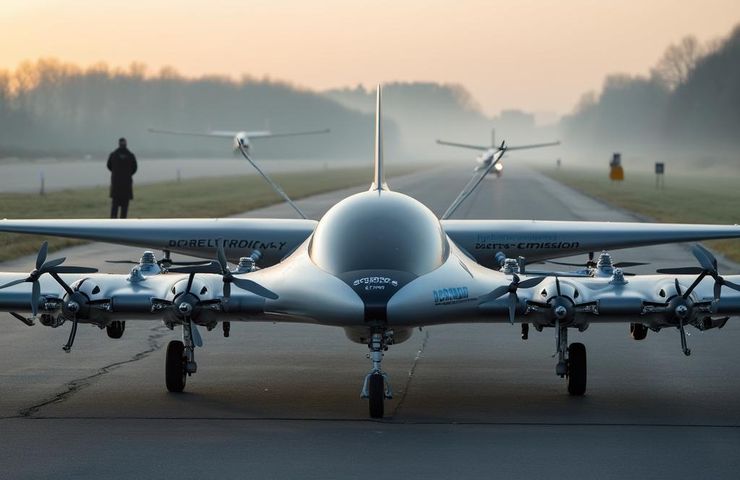
Hydrogen-powered aviation inches closer to reality with Blue Spirit Aero’s Dragonfly
France’s own Blue Spirit Aero (BSA) just reached an exciting new milestone in the race toward cleaner skies. Back in June 2025, at Le Mans Arnage Airport, the company rolled out the first real-world taxi tests of its hydrogen-electric Dragonfly prototype. This four-seater aircraft is designed with flight schools in mind—and with a second demonstrator gearing up for takeoff in early 2026, things are getting real.Why this matters: Aviation’s clean energy transformation starts here
This isn’t just another prototype doing rounds on a runway. The Dragonfly could play a key role in cutting back aviation’s carbon footprint. While it only makes up around 2.5% of global CO₂ emissions, aviation is often left out of the green energy conversation—especially when it comes to flight training fleets. That’s where Dragonfly steps in. Using hydrogen fuel cells and distributed electric propulsion, this aircraft offers a completely zero-emission technology platform. It’s whisper-quiet, cleaner than anything currently out there, and could be significantly cheaper to run—all wins if you're training the next generation of pilots.The technology: Clean, quiet, and smartly modular
So, what makes this bird fly? At its core, Dragonfly is built on three key tech breakthroughs:- Hydrogen Fuel Cell Propulsion: Compressed hydrogen at 700 bar feeds into onboard fuel cells that crank out electricity—with nothing but water vapor coming out the other end.
- Distributed Electric Propulsion: Twelve small pods are spread out across the wings. Each one’s got its own motor, propeller, hydrogen tank, and fuel cell. That’s not just slick design—it’s a big safety bonus. If one fails, you’re still good to go.
- Supercapacitors: These bad boys help with bursts of power when and where it counts—like takeoff or sudden maneuvers—covering any lag from the fuel cells.
Strategic context: France doubles down on green aviation
Toulouse—home to aviation heavyweights like Airbus—is also where Dragonfly was born. It’s kind of the perfect place for a project like this. The city’s deeply invested in sustainable energy and hydrogen infrastructure, with a growing network of startups, labs, and policy partnerships driving innovation in aerospace. What Dragonfly proves is that we’re not talking about far-off science fiction anymore—the tech is here, it’s flying, and it’s getting better by the year.A new flight path for training fleets
The Dragonfly isn’t just a cool prototype—it’s a signal. Flight schools and general aviation are about to have a very real, very green alternative to today’s loud, gas-hungry trainers. Here’s what makes it such a standout:- Low operating costs
- Quiet, low-noise operation
- Fast refueling
- Zero emissions
Looking ahead: Commercial launch by 2027?
That’s the goal. BSA is eyeing a full launch by 2027. To get there, they’ll need to clear two big hurdles: 1. Shows of safety and success during upcoming flights, plus certification from aviation authorities. 2. The infrastructure to support real-world, daily hydrogen use on the ground. If those pieces fall into place, Dragonfly could very well become the go-to aircraft for flight schools aiming to meet sustainability goals without crushing their bottom line. Plus, that same design strategy—think modular builds and clean energy—could spread to cargo drones, short-hop shuttles, and more. "Hydrogen offers a perfect middle ground,” as one BSA engineer put it. “You get the range and performance without the baggage of today’s batteries.” And if Dragonfly keeps pushing forward like this, that middle ground may just be where the future of flight begins.How was this article?
Thanks for the feedback!