Hydrogen Fuel Cell Tech Makes Waves in South Korea’s Submarine Export Strategy
Bumhan Fuel Cell's hydrogen submarine tech is gaining momentum as South Korea eyes global defense exports. Here's how it could reshape naval power and hydrogen's future.
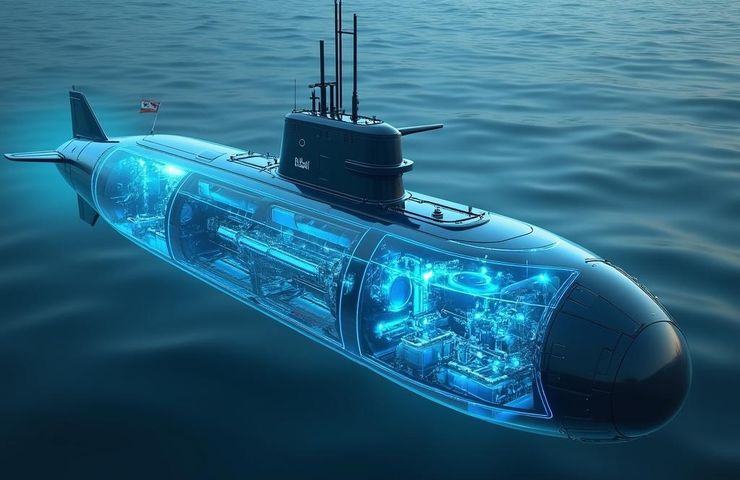
South Korea isn’t just dominating shipbuilding—it’s quietly redefining what’s possible beneath the waves. At the heart of this underwater rethink is Bumhan Fuel Cell Co., a company that’s turned cutting-edge hydrogen fuel cell technology from top-secret submarine ops into a headlining act for global defense players.
The Underwater Tech That Changed the Game
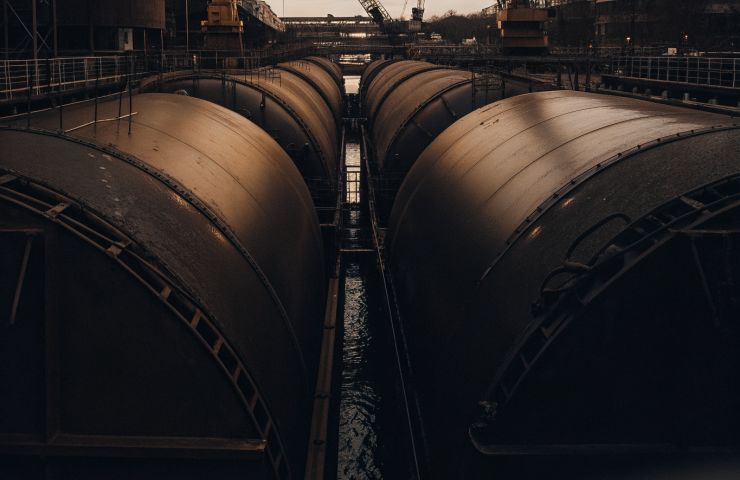
Let’s take it back to 2018. That’s when Bumhan pulled off something only one other company—Siemens—had done before: it successfully commercialized hydrogen fuel cells for submarines. That win made South Korea just the second country to crack this high-tech innovation. Since then, Bumhan’s systems have powered the next-gen KSS-III (Jangbogo-III) submarines, built by Hanwha Ocean (you might remember them as Daewoo Shipbuilding & Marine Engineering).
These subs are no joke. With air-independent propulsion (AIP), they can cruise silently beneath the surface for weeks without coming up for air. No diesel noise. No exhaust smoke. Just hydrogen and oxygen doing their thing—powering sleek electric motors deep under the sea. It’s a strategic and eco-friendly edge that's hard to overlook.
Eyes on Bumhan: Going Global
Now fast-forward to 2025. Financial analysts are starting to connect the dots. Shinhan Investment Corp. recently bumped up its target stock price for Bumhan, and for good reason. With heavy hitters like Hanwha Ocean and HD Hyundai vying for big-time submarine projects—Canada being one key example—Bumhan’s tried-and-tested AIP system has become a major selling point.
In a defense world that now demands quieter, longer-lasting, and greener tech, Bumhan’s fuel cells check all the boxes. While diesel-electric subs are still out there surfacing every few days, Bumhan offers an upgrade: silent strength beneath the sea, with a much smaller carbon footprint.
Beyond the Navy: Powering What’s Next
Submarines may be making headlines, but Bumhan’s ambitions go much deeper. The same fuel cell technology developed for military precision is being adapted for unmanned underwater vehicles, wider hydrogen mobility options, and even hydrogen refueling stations.
It’s the classic defense-to-civilian crossover. What started out winning battles under the sea could end up fueling vehicles on highways, powering buildings, or integrating into hydrogen infrastructure that supports a greener energy grid. And that crossover could speed up sustainable energy adoption in industries where batteries still fall short—like shipping and heavy-duty vehicles that need to go the distance without long recharge times.
Why This Matters Right Now
Given today’s global tensions and shifting energy strategies, Bumhan’s moment couldn’t be better timed. Countries are rethinking naval defense, and there’s growing demand for stealthy, non-nuclear subs. At the same time, clean hydrogen is making its way into mainstream energy plans.
Bumhan’s not just peddling submarine parts—it’s offering a dependable, flexible, and future-ready hydrogen fuel cell platform. That’s why insiders are keeping close tabs on where Hanwha Ocean and HD Hyundai are headed next—because wherever they go, Bumhan’s tech is likely tagging along for the ride.
The Challenges Ahead—and the Potential
All that said, going global with hydrogen-based AIP systems isn’t exactly a walk in the park. From tricky export rules and production scaling to making sure the tech fits a variety of submarine models, there’s no shortage of obstacles. Factor in the unpredictable nature of working alongside mega-corporations like HD Hyundai—today’s partner could be tomorrow’s rival—and the path forward is anything but straightforward.
But here’s the thing: Bumhan has more than a decade of hard-earned experience and real-world validation under its belt. If it can spin that into a broader offering for civilian and commercial sectors, it might just leap from stealthy supplier to global go-to for hydrogen fuel cell solutions.
What’s Next: Going Deeper, Greener, and Wiser
In an industry usually defined by steel, secrecy, and old-school engineering, Bumhan Fuel Cell is flipping the script. It’s proving that high-performance, sustainable energy tech—once limited to labs and light vehicles—can thrive even in the toughest naval environments.
As Bumhan continues to scale, it’s doing more than building traction—it’s anchoring South Korea as a serious player in the global hydrogen infrastructure race. And it’s opening the door to some big-picture thinking about how clean tech can reshape defense, mobility, and power systems all at once.
About Bumhan Fuel Cell Co.
Founded in 1990 and spun off in 2019, Bumhan Fuel Cell Co. is a trailblazer in hydrogen fuel cell technology, especially across military and maritime domains. It became the world’s second company to make hydrogen fuel cells for submarine propulsion commercially viable. Since then, it’s expanded into areas like hydrogen refueling infrastructure and unmanned vehicle technology. Bumhan is headquartered in South Korea and listed on KOSDAQ.