Other Hydrogen news
Hydrogen Components: Freudenberg Group Exits Battery and Fuel Cell Systems
Freudenberg Group is exiting its battery and fuel cell systems segments to concentrate on hydrogen components, signaling a strategic shift toward specialized hydrogen infrastructure solutions.
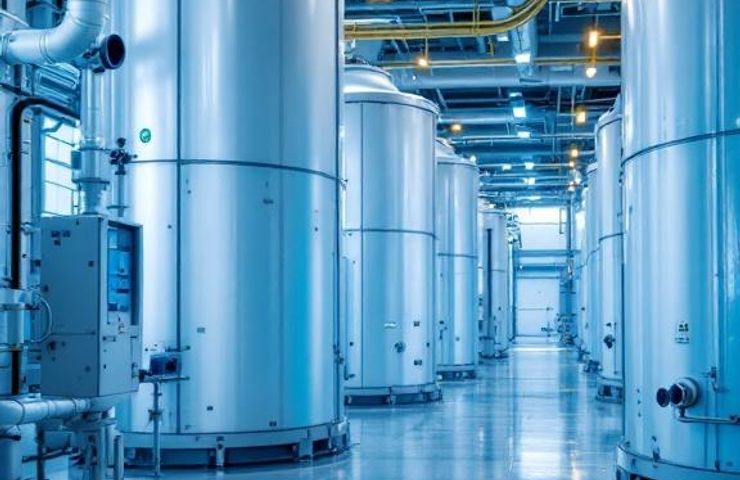
In a bold move this month, Freudenberg Group announced it’s stepping away from the battery and fuel cell systems arena to concentrate fully on hydrogen components—specifically sealing, connectors and specialized materials. Instead of keeping a finger in every energy storage pie, the German industrial powerhouse will double down on what it does best, marking a clear shift in favor of targeted hydrogen infrastructure solutions over all-in-one stacks.
Strategic Pivot in the Energy Transition
By giving up full-blown battery systems and integrated fuel cell technology, Freudenberg is refocusing its strategy around a niche where it can truly shine. The team concluded that end-to-end offerings come with massive capital demands, fierce competition and slower uptake in some markets. In contrast, their deep know-how in hydrogen sealing and connectors fits neatly with rising calls for bulletproof hydrogen infrastructure. This isn’t just an isolated decision—many diversified players are streamlining their portfolios to double down on core strengths. According to electrive.net, management only sees a compelling path forward in hydrogen components, leading to the exit from everything else. It’s a wager that hydrogen will anchor the future clean energy mix, particularly in tough-to-electrify arenas like heavy industry and maritime transport.Operational Scale and Expertise
From leather to launch pads—that might be Freudenberg’s unofficial motto. What began as a small tannery in 1849 has evolved into a global juggernaut with over €11.95 billion in revenue and more than 52,000 employees. A 2013 shake-up birthed a decentralized model: 16 broad divisions and about 430 independent business units, each empowered to seize market shifts on the fly. At the core of its new focus sits Freudenberg Sealing Technologies, boasting 70+ production and service sites around the world. They craft everything from dynamic and static seals to fluid management systems, all fine-tuned for high-pressure hydrogen storage, refueling stations and industrial setups. Thanks to a unified SAP labeling platform, local teams tap into global standards for safety and quality—no matter where they are. By blending advanced polymers and metals, they tackle hydrogen’s quirks—tiny molecules, embrittlement and pressures that soar past 700 bar.Technical Insight: Role of Hydrogen Components
Hydrogen is infamous for two tricks: slipping through the tiniest cracks and making metals brittle. That’s where precision parts come in: seals, valves, connectors and hoses designed to handle punishing pressures and icy temperatures. Freudenberg Sealing Technologies engineers mix fluoropolymers, elastomers and metal alloys to forge robust barrier layers. These layers keep leaks at bay, shrug off embrittlement and endure hundreds—sometimes thousands—of pressure cycles. Though they may seem small, these bits are the backbone of any serious hydrogen infrastructure—from production and storage to transport and fueling stations—making them vital players in the quest for scalable, reliable clean energy.Digital Transformation Driving Agility
Freudenberg isn’t just getting leaner; it’s getting smarter. In its sealing division, a global enterprise labeling solution tied into SAP slashed label changeover times from three months to one hour, managing over 400 unique templates. Meanwhile, Freudenberg Filtration Technologies unveiled the Viledon e-catalog, a user-friendly digital store for industrial air filters, complete with advanced search and comparison tools in English, German and North American versions. Over in Freudenberg Performance Materials, e-commerce platforms and digital product databases for technical textiles and nonwovens have been amped up, making it a breeze for customers to find exactly what they need. Together, these digital leaps are turbocharging the group’s ability to pivot quickly—critical as it channels resources into hydrogen-centric initiatives.Market Implications
Freudenberg’s shift is stirring the pot across the clean energy ecosystem:- Industry differentiation: Prioritizing component know-how over full-system builds positions Freudenberg as a go-to specialist in hydrogen sealing solutions.
- Competitive shake-up: As big, diversified players trim out low-margin or saturated segments, the supplier landscape is getting reshuffled.
- Supply chain realignment: Companies looking for turnkey battery and fuel cell partners will be shopping elsewhere, reshaping procurement networks.
- Talent redeployment: Engineers and technicians from phase-out units could be reassigned into new, hydrogen-focused roles.
- Capital reflow: Investors may steer funds toward niche hydrogen components makers, seen as lower-risk plays.
- Standardization momentum: Freudenberg’s deep dive could help set emerging norms for component specs.
- Policy cohesion: The move dovetails with EU and German pushes on industrial decarbonization, heavy transport and power sector decarbonization.
- Innovation ripple: Growing demand for high-performance seals and fluid management parts may spark fresh R&D waves.
Comparative Context
It’s not just Freudenberg. In recent years, industrial giants have been shucking off battery pack or fuel cell stack production to laser-focus on automation, specialized materials or digital services. What sets Freudenberg apart is its bold, all-in on hydrogen components rather than dabbling in full-stack integration. That razor-sharp focus could pay dividends—fueling deeper technical differentiation, stronger margins and a smoother ride through the broader energy transition.Perspective and Future Outlook
Hydrogen is back in the limelight as a key player in decarbonization roadmaps, especially where batteries fall short—think steel mills, shipping lanes and heavy-duty transport. By banking on top-tier sealing and connector tech, Freudenberg believes the real value in the hydrogen economy lies in reliable, high-quality components that make the entire supply chain tick. It’s a different arena from the crowded race in lithium-ion systems and fuel cell integration, where scale and vertical integration giants dominate. But the road ahead isn’t without bumps: securing long-term offtake agreements, keeping pace with evolving safety regulations and staying cost-competitive as volumes climb. If Freudenberg can leverage its expansive manufacturing footprint and digital muscle to churn out consistent, top-notch parts, it’ll cement its spot as a preferred provider for fueling stations, industrial gas networks and next-gen e-fuel plants—all critical cogs in the effort to drive industrial decarbonization forward.Looking Ahead
Green hydrogen projects are popping up globally—from the Gulf Coast to Australia’s sunbelt—and with them, a rising chorus of demand for specialized hydrogen components. Governments are rolling out grants and tax incentives for electrolysis plants, refueling stations and large-scale decarbonization schemes. For Freudenberg, that spells opportunity—and a challenge to scale swiftly while keeping quality airtight. Watch for announcements of new component certifications, joint development deals with electrolyzer makers and pilot deployments with fuel cell system integrators. Those milestones will reveal whether this strategic pivot truly sets Freudenberg up for the next chapter in the energy transition.About Freudenberg Group
Freudenberg Group is a German, family-owned industrial conglomerate founded in 1849. With over €11.95 billion in annual revenue and more than 52,000 employees, it operates 16 divisions across roughly 430 independent units in about 60 countries, offering everything from specialist seals and filtration systems to technical textiles and building materials.How was this article?
Thanks for the feedback!