Green Hydrogen Logistics: Walmart Chile's Groundbreaking Hydrogen Fuel Cell Truck Pilot
Walmart Chile and Copec to pilot hydrogen fuel cell trucks and open Chile’s first heavy-duty H₂ station, generating data to scale clean logistics nationwide.
Introduction
I’m thrilled to kick things off with some news that could shake up Green Hydrogen Logistics in Latin America. Come September 2025, Walmart Chile is rolling out the nation’s first fleet of Hydrogen Fuel Cell Trucks – yep, real semi-trailer rigs cruising around the clock. Over a year, a small squad of these Feichi Technology-built workhorses will haul everything from fresh produce to packaged goods across the Santiago Metropolitan Area and all the way to Valparaíso and O’Higgins. Meanwhile, Copec is busy constructing the first heavy-duty Copec Hydrogen Station at Walmart’s Quilicura Distribution Center, thanks to the backing of the Hidrohaul Technological Program and CORFO funds. Logistics emissions make up a huge chunk of Chile’s carbon footprint, and heavy-duty trucks have been one of the toughest segments to decarbonize. This Walmart Chile Hydrogen Pilot isn’t just a flashy demo—it’s a full-on field test designed to generate real-world data on fuel use under different loads, refueling patterns, maintenance insights, and more, to see if hydrogen can truly carry the load for zero-emission freight.
Chile’s Renewable Edge
Chile’s geography is a green energy jackpot. Up north, the Atacama Desert boasts some of Earth’s highest solar irradiance, while Patagonia’s southern winds keep turbines spinning nonstop. Thanks to aggressive auctions, solar power in the Atacama now costs under $30 per MWh, making hydrogen-from-electrons ever more attractive. Today, renewables cover over 50% of Chile’s electricity, yet remote mining sites still burn diesel. Enter hydrogen: a flexible carrier that can store excess sun and wind, then deliver clean power anywhere. In 2023, Walmart Chile flipped the switch on Latin America’s first industrial green hydrogen plant at Quilicura, churning out tons of hydrogen each day. And as electrolyzer tech has matured, we’re seeing better efficiency, lower maintenance, and more modular systems ready for scale. With Chile set to ban new diesel trucks by 2045, this pilot couldn’t come at a better moment to prove hydrogen’s muscle in Chile Hydrogen Transport.
The Secret Sauce: Green Hydrogen Fuel Cell Trucks
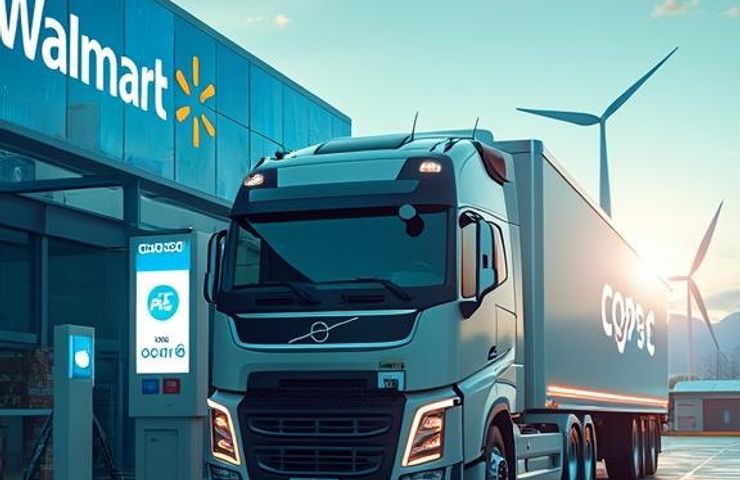
At the heart of this pilot are the Hydrogen Fuel Cell Trucks, where Feichi Technology’s sleek design meets serious range and power. Each rig carries about 75 kg of compressed green hydrogen in carbon-fiber tanks, enough energy for up to 750 km with a 49-tonne load. Inside, a proton-exchange membrane fuel cell mixes hydrogen and oxygen to generate electricity, driving a virtually silent, zero-emission motor. And unlike bulky battery trucks, these fuel cells top up in minutes—just like diesel—and deliver efficiency north of 60%, leaving traditional engines in the dust. They’re built for extremes too, handling temps from −20 °C to 50 °C without breaking a sweat. Plus, built-in hydrogen sensors and fail-safes meet stringent safety standards, so you get all the power of diesel without a drop of carbon dioxide—only water vapor comes out the tailpipe.
Building the Green Hydrogen Station
Copec kicked off construction at the Quilicura Distribution Center in January 2025, aiming to fire up the site by pilot launch. On-site electrolyzers—sized to produce around 200 kg of green hydrogen daily—will run on solar and wind power from nearby farms. After electrolysis, the hydrogen is compressed to 350 bar and stored in robust, high-pressure tanks, ready to fuel multiple trucks each day. Mining3 stress-tested the system for harsh conditions, while IEE and Marval handled engineering design, hazard analyses, and operational safety protocols. They’ve also rolled out training for station staff and drivers—covering fueling procedures, emergency drills, and regular maintenance checks. When it’s up and running, this will be South America’s third heavy-duty hydrogen refueling hub, topping up a truck in under 15 minutes—just like a diesel pit stop, only way greener thanks to the new Copec Hydrogen Station.
Real-World Testing Across Santiago Region
Starting September 2025, a select crew of drivers will log every trip—urban stop-and-go in Santiago, freeway hauls to Valparaíso’s port, and winding climbs through O’Higgins hills. They’ll note hydrogen consumption per 100 km under load, average speeds, refueling turnaround times, and any maintenance flags. Onboard telematics will monitor fuel cell performance and ambient conditions, while driver feedback captures range confidence and comfort. All data feeds into a central analytics platform for real-time insights on what it takes to run Hydrogen Fuel Cell Trucks in the field. These real-world trials will highlight route efficiency, pinpoint refueling demands, and shape the blueprint for scaling up to larger fleets.
Collaborative Power: Public-Private Partnership
The $6.15 million Hidrohaul Technological Program—co-funded by CORFO—brings together six partners: Walmart Chile (logistics), Copec (fuel and stations), Feichi Technology (truck builds), Mining3 (research), IEE (engineering), and Marval (project delivery). Regular working sessions align engineering specs, safety protocols, data-sharing, and training programs. This tight-knit collaboration means lessons at the refueling station can quickly inform truck design tweaks, and any on-road surprises trigger new R&D efforts—creating a feedback loop to fast-track Chile Hydrogen Transport and drive standardization across the board.
Ripple Effects Beyond Retail
If this pilot succeeds, it could spark a wave of hydrogen use beyond retail logistics. Remote mining sites might swap diesel for hydrogen trucks to haul supplies and waste, drastically cutting off-grid emissions. Dedicated hydrogen corridors could sprout along major freight routes, nudging carriers toward zero-emission fleets. Urban bus networks might soon follow, and even agricultural machinery in the valleys could get a hydrogen makeover. Best of all, showcasing a real-world, scalable model will help Chile attract fresh foreign investment in energy infrastructure, creating a crop of new technical and engineering jobs nationwide.
Challenges and the Real Kicker
No pilot is without hurdles. The upfront costs for high-pressure stations and fuel cell trucks are hefty, and the green hydrogen supply chain—from electrolyzers to specialized tanks—still needs to scale. We’ll also need rigorous safety certifications, regular inspections, and specialized training for technicians, drivers, and emergency crews to build public trust. Economically, green hydrogen currently costs more per kilogram than diesel on an energy-equivalent basis, so operators will be watching total cost of ownership closely. Yet the real payoff will come from the pilot’s data—from energy used in compression to wear-and-tear in mountainous terrain—pinpointing where to cut costs and optimize maintenance. That insight is exactly what regulators, investors, and fleet managers need to move hydrogen logistics beyond the trial phase.
Bottom Line and Future Implications
When all is said and done, the Walmart Chile Hydrogen Pilot and the new Copec Hydrogen Station will stand as proof that heavy-duty transport can go zero-emissions without missing a beat. By tapping into Chile’s renewable energy bounty and uniting public and private expertise, this project delivers critical performance benchmarks and operational insights. Those learnings will guide the rollout of a national refueling network, inform policy incentives, and help utilities plan upgrades to back electrolyzers. If everything clicks, we’ll see hydrogen fueling sites multiplying, truck fleets growing, and a transport sector well on track for Chile’s 2045 zero-emission goals. The future of clean logistics is hydrogen-powered—and it’s rolling in sooner than you think.