Germany Relaunches Zero-Emission Bus Funding: Up to 80% Covered for Hydrogen and Electric Fleets
Germany restarts zero-emission bus funding in July 2025, covering up to 80% for fuel cell and electric buses. Projects must apply by August 31, with infrastructure support—and climate targets—on the line.
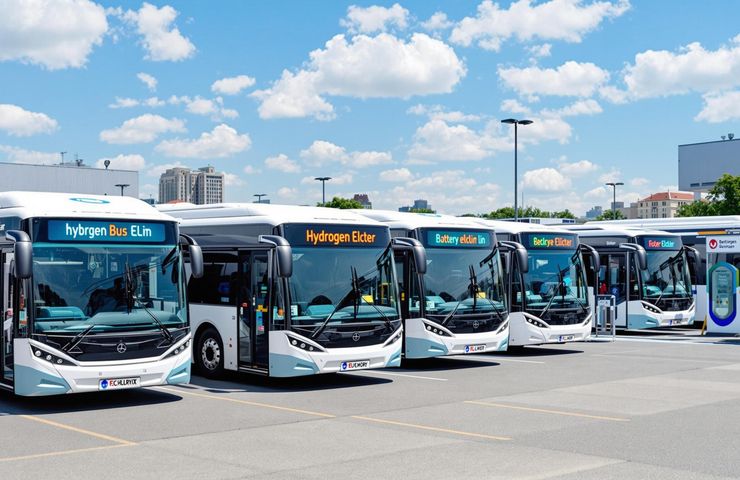
Germany is hitting the gas on its push for zero-emission technology in public transit, rolling out a brand-new national funding round starting in July 2025. After a brief timeout in 2024, the latest announcement signals that the government is back in the ring—backing both hydrogen fuel cells and battery-electric buses. That’s big news for city transit systems, clean tech innovators, and anyone rooting for a greener future.
What’s Happening and When
On July 7, 2025, the Federal Ministry for Digital and Transport (BMV) opened a fresh round of competitive funding to help transit agencies across the country swap out polluting buses for zero-emission alternatives. The program covers both battery-electric and hydrogen fuel cell options and throws in financial support for key infrastructure—think charging stations, hydrogen refueling hubs, and facilities to keep everything running smoothly.
This effort is being coordinated by NOW GmbH and Projektträger Jülich (PtJ), with funding coming from the German Recovery and Resilience Plan (DARP) and the EU's Recovery and Resilience Facility (RRF). The application window is open until August 31, 2025.
Need-to-Know Details
- Maximum funding: Projects can receive up to €15 million
- Bus support: Subsidies may cover up to 80% of the additional cost over diesel models
- Infrastructure aid: Up to 40% of costs covered—potentially more for SMEs
- Environmental impact: Previous rounds projected to cut CO₂ emissions by 2.8 million metric tons
- Green light status: Final go-ahead depends on the federal budget approval this fall
How These Buses Run
Battery-electric buses operate on rechargeable batteries—either plug-in or fast-charged—offering a quieter, emissions-free ride that's perfect for city streets. Hydrogen fuel cell buses take a different route: they generate electricity on the go by combining hydrogen with oxygen, producing nothing but water vapor out the tailpipe.
This combo gives transit agencies more flexibility, letting them pick the best fit depending on routes, fueling access, and what they’ve already got in place infrastructure-wise.
Who Wins With This Program?
The rebooted funding isn’t just good for the environment—it’s a strategic win for multiple players:
- Local transit providers can finally modernize fleets without footing the whole bill themselves
- SMEs and clean energy firms see rising demand for hydrogen infrastructure and other services
- Policy makers get to show they’re still serious about the 2030 industrial decarbonization goals set by Germany and the EU
As Federal Transport Minister Patrick Schnieder acknowledged, the 2024 pause left around 10,000 planned bus retrofits stuck in neutral. This new round aims to shift gears and get the sector moving again—fast.
Looking Ahead
Germany’s journey toward clean transit isn’t new. Since 2021, they've helped fund over 3,500 zero-emission buses. But the 2024 hiccup spooked the market and raised concerns in the supply chain. Reviving the funding is about more than just numbers—it’s about restoring trust and strengthening a homegrown base of fuel cell technology developers and electric transit innovators.
With tighter EU rules coming on clean vehicle public procurement, transit agencies that get on board early will be better equipped to meet the standards heading their way.
Let’s Talk Timing
There’s one wrinkle: everything hinges on the 2025 federal budget passing this fall. If there are delays, approvals might not land until late autumn—and that could put a squeeze on how quickly projects can kick off.
Most insiders, though, see the funding green light as a matter of “when,” not “if.” Still, it’s something worth keeping an eye on.
Final Takeaway
This fresh funding isn’t just another line item—it’s a clear signal that Germany is doubling down on sustainable mobility and climate action. For bus operators and clean tech manufacturers, the message is simple: the transition is back on track, and the deadline is August 31. Whether it’s hydrogen or electric, the future of transit is clean—and it’s arriving faster than you think.