First Public Hydrogen Appoints New COO as It Scales Hydrogen Production and Dispensing Network
First Public Hydrogen (FPH2) appoints Lorraine Paskett as COO, signaling a shift from planning to deployment in building accessible hydrogen fueling stations for FCEVs across the U.S.
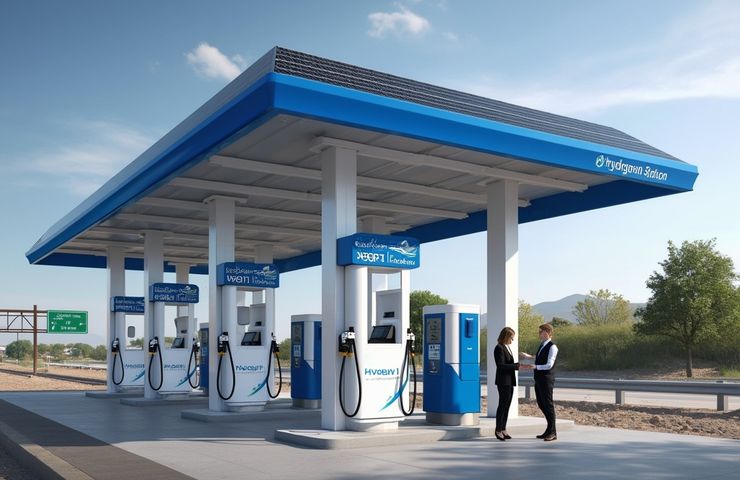
First Public Hydrogen (FPH2) is stepping up in a big way. The company just announced Lorraine Paskett as its new Chief Operating Officer (COO), and it’s a clear signal they’re shifting gears—from idea stage to actually building out real hydrogen infrastructure across the U.S. This isn’t just another announcement; it’s a sign that FPH2 is ready to get boots on the ground and move hydrogen from a concept to something people can actually use.
FPH2 Doubles Down on Execution
While plenty of startups in the hydrogen production space are still busy testing prototypes or chasing investors, FPH2 looks to be taking a more hands-on approach. By bringing in Paskett, they’re clearly serious about rolling out real-world hydrogen fueling stations—the kind of infrastructure that’s essential to make fuel cell electric vehicles (FCEVs) a practical choice for everyday drivers.
The timing couldn’t be better. The announcement didn’t go deep into Paskett’s resume, but FPH2 noted that her experience in energy and operations is exactly what they need to get this next phase off the ground. In short: they’re putting their foot on the gas and gearing up to deliver hydrogen where it matters—at the pump.
Making Hydrogen Practical—and Public
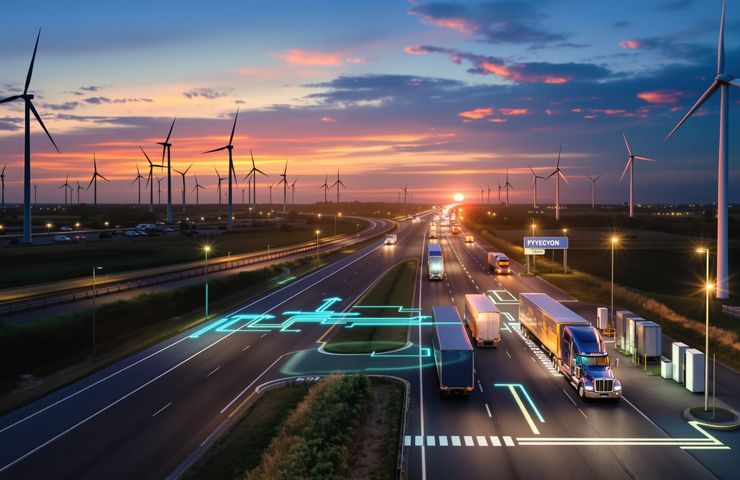
FPH2 isn’t just interested in the tech—they’re in it to serve people. Their goal? Make affordable, accessible hydrogen available for everyday drivers through a coast-to-coast hydrogen production and dispensing network. They haven’t spelled out exactly how they’re generating the hydrogen just yet, though it’s likely some early sites will tap into traditional production methods like steam methane reforming. That said, with the industry’s momentum moving toward green hydrogen via electrolysis, we could see cleaner options phased in over time.
One of their biggest selling points is practical performance—quick fill-ups, consistent fueling pressure, and rock-solid safety measures. These nuts-and-bolts details are what often cause delays in this sector, especially when you're building something open to the public, not just exclusive fleet depots or government vehicles. FPH2 is tackling that head-on.
Breaking the Chicken-or-Egg Cycle
This leadership move feels like more than just a staffing update—it could be a turning point. If FPH2 can push out a few functional stations quickly, they might just break one of the longest-running stalemates in clean transport: folks won’t buy FCEVs without places to fuel up, and investors don’t want to bankroll stations until the cars show up. Someone’s gotta blink first, and FPH2 seems willing to go all in.
Right now, California is still ground zero for hydrogen infrastructure, propped up by state-level zero-emission policies. But if FPH2 can prove their system works, even in a limited rollout, it could send the right message to other regions—and that’s where Paskett’s operational chops will be crucial. From permits and safety checks to construction and budget management, she’ll be steering through a maze of moving parts.
The Bigger Picture
This tells us a lot about where FPH2—and maybe the hydrogen industry as a whole—is headed:
- They’re done pitching and ready to build.
- They know success means more than just making hydrogen—it’s about turning it into a usable service.
- They’re betting that regular folks will embrace hydrogen for personal use, not just commercial fleets.
Let’s be real—breaking into consumer-facing hydrogen isn’t easy. Big names like Air Liquide and Shell have tried and stumbled. But history shows that real disruption often comes from smaller players who operate outside the usual playbook. Remember what Tesla did for EVs? It’s fair to wonder whether FPH2 could be shaping up to do something similar for hydrogen.
What’s Next
Paskett’s new role comes with a hefty to-do list. She’ll need to navigate regional regulations, build a workforce, punch through bureaucratic red tape, and make the most of incentives floating around from the Inflation Reduction Act. But if she can keep the project on track, FPH2 could play a big role in speeding up industrial decarbonization and changing how the public sees hydrogen—not as something futuristic, but something available down the block.
For anyone watching this space—investors, regulators, or policy folks—it’s time to pay close attention. The technology is just one piece of the puzzle. Delivering it? That’s where the real transformation begins. And FPH2 looks ready to get it done.