First Hydrogen and University of Alberta Expand SMR Partnership to Power Green Hydrogen for AI Data Centers
First Hydrogen and the University of Alberta aim to revolutionize hydrogen production using molten salt SMRs to fuel energy-hungry AI data centers with zero-emission hydrogen.
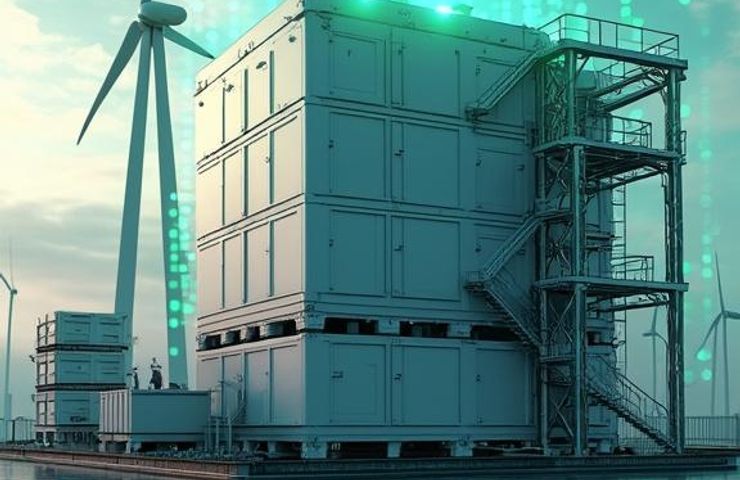
First Hydrogen Corp. is doubling down on its vision for a cleaner, high-performance energy future in Canada. On July 27, 2025, the Vancouver-based company expanded its partnership with the University of Alberta’s Renewable Thermal Laboratory to push forward on an ambitious new front: leveraging small modular reactors (SMRs) to ramp up green hydrogen production—specifically built to keep up with the intense energy needs of today’s AI-powered data centers.
When Clean Hydrogen Meets Tech Powerhouses
This new phase in collaboration is all about developing next-gen molten salt SMRs—a cutting-edge reactor technology that's efficient, stable, and scalable. With AI systems expected to consume double the electricity by 2030, data centers are quickly becoming energy guzzlers. First Hydrogen and the University of Alberta are teaming up to tackle the issue head-on, aiming to deliver zero-emission hydrogen production 24/7—cutting through the usual problems of grid instability and renewable energy downtime.
Leading the charge on the academic side is Dr. Muhammad Taha Manzoor, an expert in molten salt reactor systems. His team at the Renewable Thermal Lab in Edmonton is working hand-in-hand with First Hydrogen’s recently launched First Nuclear division. Together, they’re developing tech designed not just for lab experiments—but for real-world, large-scale hydrogen generation that can reliable power energy-intensive operations like data centers, heavy transport, or even remote manufacturing facilities.
Pushing for Cleaner Infrastructure, Byte by Byte
The timing couldn’t be better. With Canada sharpening its focus on nuclear innovation as a key part of its net-zero future, and with Alberta shifting gears from fossil fuels to emerging cleantech, the region is primed for projects like this. Its existing energy systems and increasingly open regulatory stance make it a strong contender for early SMR deployment.
This isn’t First Hydrogen’s first leap into sustainability. After proving themselves in the UK with hydrogen fuel cell vehicles and launching their Hydrogen-as-a-Service platform, the company is now turning its attention to sectors that need a constant, reliable energy supply. Unlike solar or wind, which can come and go with the weather, these reactors promise steady output—without the storage headache.
And here’s the kicker: instead of pushing more wires and infrastructure into the landscape, First Hydrogen’s model brings on-site hydrogen production to the places that need it most. It means less wasted energy, fewer transmission hurdles, and potentially, more stable energy pricing.
Why Molten Salt SMRs Are a Game-Changer
So, what makes molten salt reactor technology special? For starters, it’s built with safety in mind. Thanks to their liquid fuel format, these reactors can self-regulate during high heat situations—shutting down or cooling off naturally, without the risk of meltdown. They’re also incredibly flexible, capable of using various fuels like uranium or thorium, and create less waste over a longer lifespan.
What’s more, small modular reactors can be mass-produced at factories and set up much closer to where the energy is actually needed. When paired with hydrogen facilities, they allow for a level of local scalability and control that’s hard to match with traditional renewables.
Turning Policy into Progress
There’s big money and global opportunity behind this. Hydrogen production is fast becoming essential for decarbonizing everything from industry to transport—and now, AI-driven infrastructure. By simultaneously solving the supply side with compact nuclear power and the demand side with constant-use applications, Canada could carve out a serious edge in green hydrogen and nuclear innovation.
Of course, there are still hoops to jump through. Getting approval for new SMR technology isn’t cut-and-dry, and First Hydrogen is still finalizing things like project location and financing. That said, with a solid foundation of academic cooperation, hands-on hydrogen experience, and policy alignment at the federal level, this isn’t just another feasibility study—it’s a real, strategic opportunity to reshape the energy landscape.
The Bigger Picture: Building Smarter Energy Independence
If this project hits its marks, it could set the tone for a new era of SMR-hydrogen integration. Think beyond data centers—imagine cleaner power for port operations, freight logistics, or even remote northern communities. It’s about more than just electrons and emissions—it’s about building systems that are portable, dependable, and future-ready.
We’re still waiting on rollout timelines and output projections, but the writing’s on the wall: clean hydrogen powered by compact nuclear reactors isn’t just possible—it’s arriving. And First Hydrogen, in partnership with the University of Alberta, is ready to lead the way in what could be a truly transformative shift for Canada and beyond.