EU Delay Puts Nuclear-Produced Hydrogen in Limbo—Industry Bristles at Uncertainty
Brussels delays nuclear hydrogen classification to 2028, putting €100B in hydrogen infrastructure at risk and frustrating pro-nuclear states like France.
Hydrogen production is bumping into some serious red tape—and time isn’t exactly on its side.
So, what’s the holdup?
On May 13, 2025, the European Commission quietly dropped a bit of a bomb: it’s pushing back its final decision on whether nuclear-produced hydrogen should count as "low-carbon" under EU climate rules. The new date? July 2028. Originally, talks were supposed to start rolling in 2026, but things have stretched—and not in the good way.
Now, this might sound like bureaucratic fine print, but the consequences could be huge. The EU is gunning to produce 10 million tonnes of low-carbon hydrogen annually by 2030, and clarity on which kinds of hydrogen qualify is pretty much the cornerstone of that goal. But with this delay, projects that rely on nuclear electrolysis are stuck spinning their wheels in the mud.
Tech stuck in limbo
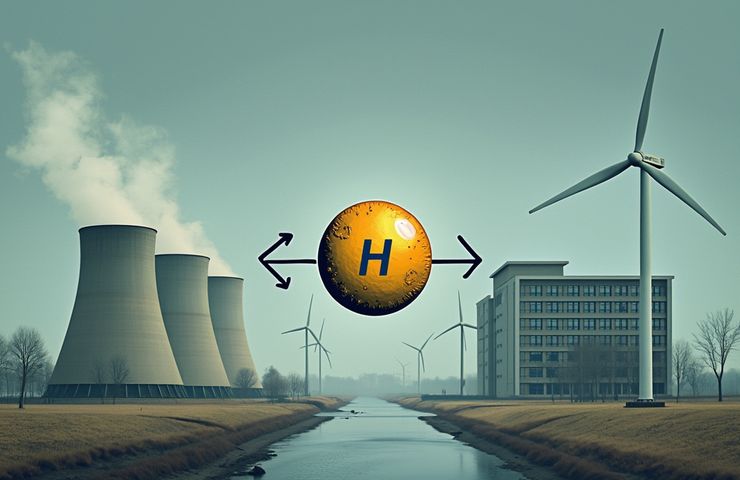
Here’s the gist: nuclear electrolysis uses power from nuclear plants to create hydrogen by splitting water—without a whiff of direct CO₂ emissions. It’s not considered “green” by the EU’s book, because that label’s currently reserved for electricity from renewables like wind and solar. Still, some argue it’s “clean enough,” especially over in France, which is hoping to lean on its nuclear fleet to stay in the hydrogen game.
But here’s the issue—without a clear decision, anything nuclear-made hovers in a weird gray zone. Not dirty, not green. Just... undefined. That kind of uncertainty makes investors nervous. If you’re thinking about pouring money into a hydrogen hub, a cross-border pipeline, or a full-blown electrolysis plant, waiting three extra years is far from ideal.
Frustration is boiling over
The industry isn’t thrilled. Nuclear Europe, a Brussels advocacy group, came out swinging. Its Director General, Emmanuel Brutin, warned that dragging this out “risks stifling momentum toward full decarbonization.” Translation? Projects get shelved, goals get missed, and the whole clean energy rollout hits a wall.
It’s hard to ignore the politics here. Countries like France, Slovakia, and even the Netherlands back nuclear as a crucial partner to renewables. On the flip side, you’ve got players like Germany, Austria, and Spain pushing hard against labeling nuclear as “green.” They’re wary about nuclear waste, sky-high costs, and undermining momentum for wind and solar. Bottom line? It’s getting messy.
Will the hydrogen market splinter?
With Brussels punting the decision to 2028, some EU countries aren't waiting around. France is already mulling its own stamp of approval for nuclear hydrogen, which could tear a hole in what was supposed to be a unified European hydrogen market.
If every country plays by its own rules, trading hydrogen across borders becomes a headache. Who qualifies for hydrogen infrastructure funding? Who gets access to pipelines and storage? Confusion now could lead to chaos later—and missed opportunities.
And let’s talk money. There’s over €100 billion in planned EU funding tied to its hydrogen strategy. If nuclear-based projects are boxed out due to indecision, they could fall behind—even if the tech’s already good to go.
Politics over progress?
So why push this hot-button call all the way to 2028? The official line is more research and consultation are needed. But let’s be real—it also keeps the issue off the table until after the next European elections. Politically convenient? Definitely. Strategically smart? Maybe. But for energy developers, it just means more waiting.
All eyes are now on May 16–17, 2025, when the Commission’s expert advisory group takes a first crack at the draft rules. Giants like EDF and Siemens Energy are expected to bring some serious firepower to the table. Expect tension. Expect bargaining. Maybe even threats of countries breaking off to do their own thing—meanwhile, Brussels keeps preaching about unity.
Green hydrogen surges ahead
While nuclear hydrogen is stuck in no-man’s land, green hydrogen—made from wind and solar—is already sprinting ahead. Projects in Spain, Portugal, and Germany are moving fast, backed by a clear and favorable regulatory push. The message? If your electricity isn’t renewable, take a number and wait.
The bigger fight in the background
Zooming out, the whole “is nuclear energy part of the clean future?” debate isn’t new—it’s just moved into the hydrogen lane. We’ve seen this play before during the EU Taxonomy battles over what kinds of energy get sustainable finance support. Now, hydrogen production is caught in the same crossfire.
But this isn’t just about squabbling over labels. It’s really about whether the EU can stay serious on industrial decarbonization—and whether it’s willing to keep the tech toolbox diverse. Locking out nuclear too early could mean cutting off a pretty powerful option in the fight against emissions.
What’s next?
The path to 2030 just got trickier—especially for countries looking to ride the nuclear wave into hydrogen territory. If Brussels can’t pick up the pace, we’re probably headed for fragmented rules, a divided hydrogen market, and a blown chance to build a truly inclusive, tech-neutral clean energy future.
For now, Europe’s hydrogen developers are stuck in wait-and-see mode—calculating what to bet on, and what to put on ice.