Enagás Flags Delays in Cross-Border Hydrogen Infrastructure Amid Regulatory and Investment Roadblocks
Enagás warns of 2–3 year delay for EU hydrogen corridors as regulatory and economic concerns slow cross-border investment—but Spain’s national plan stays on track.
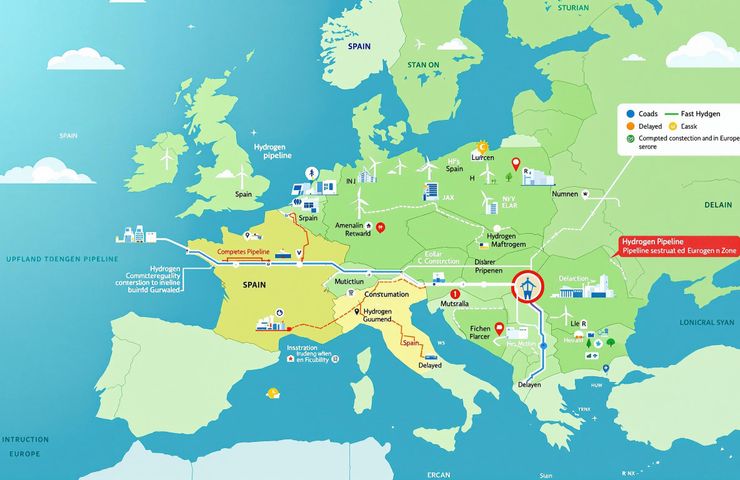
Enagás S.A., Spain’s biggest name in gas transmission and a key player in hydrogen infrastructure, has just raised a red flag—Europe’s cross-border hydrogen pipeline rollout could be facing serious delays of up to three years. On July 22, 2025, during the company’s Q2 update, CEO Arturo Gonzalo Aizpiri pointed to three major roadblocks: unclear regulations, weak demand, and investment returns that just don't stack up.
The Bigger Picture: What This Means for Europe's Energy Plans
This delay couldn’t come at a worse time. The EU is racing to meet its 2030 goals to build a large-scale hydrogen backbone—one that would connect major production hubs (like those rising fast in Spain) with industrial centers across Northern and Central Europe. But with investors pulling back due to the shaky regulatory landscape and low offtake, there’s a real threat hydrogen deployment across the continent might seriously stall.
“We’re fully committed at the national level, but Europe still hasn’t created the right conditions to get cross-border projects moving,” said Gonzalo. In his view, the financial outlook for hydrogen infrastructure just doesn’t justify the risk compared to more established investments like natural gas pipelines.
Spain Holding Firm on Its Hydrogen Plans
The good news? Spain’s hydrogen journey isn’t hitting the brakes. Enagás confirmed its plan to roll out Spain’s national hydrogen pipeline system by 2030 remains firmly on course. Backed by both government and private sector players, Spain is leveraging its sunny climate and strong wind resources to position itself as a frontrunner in green hydrogen production and export.
With solid infrastructure already in place and a strategic location, Spain could become Europe’s go-to hub for hydrogen. Its efforts are a key piece of the larger European Hydrogen Backbone, a vision that could one day link more than 40,000 km of dedicated pipelines across the EU.
What’s Going Into the Hydrogen Buildout?
Enagás is planning a smart mix of old and new when it comes to building out its hydrogen infrastructure. Some existing natural gas pipelines will be repurposed, while new ones will be built with hydrogen’s unique properties in mind. Think compression stations, safe storage facilities, and systems designed to handle this light, reactive gas. The idea is to connect renewable hydrogen producers—those tapping into wind and solar—with industrial plants, refueling spots, and future trading routes across Europe.
Main Takeaways at a Glance
- Delays: Europe’s hydrogen pipeline network could fall 2–3 years behind the 2030 timeline.
- Investor Confidence: Low returns and regulatory red tape are scaring off key backers.
- Spain’s Progress: Despite setbacks elsewhere, Spain’s domestic hydrogen buildout remains on track.
- Wider Impact: Slower hydrogen deployment could drag down industrial decarbonization and delay integration of the European energy market.
Why This Really Matters
Hydrogen is central to Europe's game plan to slash emissions and ensure sustainable energy in heavy industries like steel, transport, and chemicals. The danger now is that, while other countries like the U.S. and Japan rush ahead with clean hydrogen incentives, Europe could fall behind—not just in emissions goals, but in long-term economic competitiveness.
To keep the green hydrogen vision alive, there’s an urgent need for clear policies and realistic financial frameworks. What Enagás is saying isn’t a minor hiccup—it’s a wake-up call. If the EU is serious about leading the clean energy transition, it can't keep kicking the can down the road when it comes to investment and regulation.
Events like Connecting Hydrogen Europe 2025 are trying to bring everyone—from businesses to policymakers—into the same room to tackle these bottlenecks. But unless those conversations result in real action, the dream of a hydrogen-powered Europe will remain just that: a dream.
Bottom Line: Without firm rules and smarter incentives, Europe might watch its hydrogen future drift further out of reach—while nations like Spain keep pushing full steam ahead.