Decoupled Water Electrolysis Positioned to Transform Green Hydrogen Production by 2030
Decoupled water electrolysis is rewriting the rulebook for green hydrogen, offering low-cost, grid-resilient production by separating hydrogen and oxygen outputs. Technion, H2Pro, and Clyde Hydrogen Systems drive the technology toward industrial deployment by 2030.
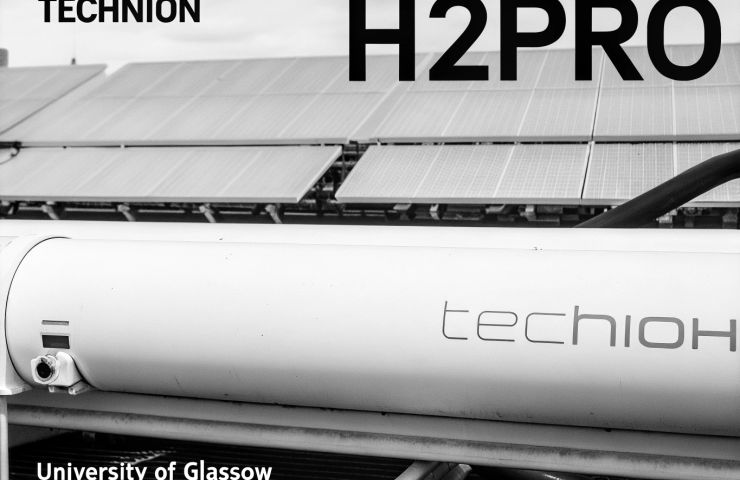
A new wave of green hydrogen production is picking up speed—and it’s more than just a lab experiment. Thanks to some big strides in a fresh take on electrolysis called decoupled water electrolysis (DWE), what used to be a promising but complex science project is now edging closer to real-world, cost-effective hydrogen production. By doing away with delicate membranes, tapping into clever redox materials, and syncing better with renewables, DWE might just be the game-changer for breaking open the $250 billion green hydrogen market.
How DWE Is Changing the Rules
Unlike traditional electrolyzers that have barely changed in a century, DWE flips the script. It splits the hydrogen and oxygen production by time or space, meaning those reactions can happen separately—in different chambers or at different times. Instead of fussy ion-exchange membranes that are expensive and don’t play well with unpredictable energy inputs, DWE uses redox-active materials like reversible nickel electrodes or advanced liquid solutions that can hold and shuttle electrons.
This tweak unlocks a ton of benefits. For starters, safety improves dramatically—no gas crossover means less risk. It’s also much better suited for riding the ups and downs of renewable energy like solar and wind. On top of that, the system is potentially cheaper to build at scale, using parts more like what you’d find in batteries or flow systems, not complex, custom-fitted hydrogen gear.
Who's Leading the Charge?
According to a recent review in Nature Reviews Clean Technology, breakthroughs are coming from multiple corners of the globe. In Israel, the Technion – Israel Institute of Technology, led by Prof. Avner Rothschild, set the stage early with foundational DWE research. His spinout, H2Pro—now based in Caesarea—has scaled those ideas into real-world deployments for industrial use.
Meanwhile, over in the UK, Prof. Mark D. Symes at the University of Glasgow pioneered a solution-phase approach to DWE and now heads up Clyde Hydrogen Systems. The company is eyeing its first commercial pilot projects starting in 2025. They're not going it alone either—research outfits like the Fraunhofer Institute for Solar Energy Systems in Germany and the Technical University of Denmark are all throwing their expertise into tackling challenges like system durability, efficiency, and scale.
Why It Matters: Economic and Strategic Upside
Here’s the deal: most of today’s hydrogen production still leans heavily on fossil fuels. That's clearly a problem if we’re serious about sustainable energy and industrial decarbonization. Conventional electrolyzers—whether alkaline or proton-exchange membrane (PEM)—are pricey, hard to maintain, and aren’t great at dealing with unpredictable clean energy sources. DWE sidesteps a lot of these traps.
By letting hydrogen be produced in a more flexible, buffered way that syncs with renewable output, DWE could help cut emissions across heavy-hitting sectors like steel, ammonia, transport, and chemical manufacturing. Some analysts think it could double the size of the green hydrogen market in the next ten years—pushing it from $250 billion to over $500 billion.
“The decoupled model doesn’t just ride out grid instability—it reimagines how we store, produce, and use energy in real time,” said one of the developers in the review. That’s a pretty big deal, especially for regions with shaky electrical grids or industries that can’t afford downtime.
It’s Still Early—But Moving Fast
Of course, like any tech still finding its legs, DWE isn’t without its headaches. Questions are still being answered around how long redox systems last, how reliably the redox cycles hold up under stress, and how we scale up production of the specialized materials involved. Tech-wise, DWE’s a bit behind PEM and alkaline setups in terms of readiness—but it’s catching up quickly.
Momentum’s building. Test runs at Clyde Hydrogen Systems and H2Pro have already shown steady hydrogen output at levels that matter to industry. These pilot programs are laying the groundwork not just for tech validation, but also for regulatory green lights and the kind of funding that turns a pilot into a full-scale rollout—think Series A and B in the next one to two years.
Big Picture: Meeting Climate Goals Means Reinventing Electrolysis
If we’re serious about hitting net-zero targets, then all the hydrogen we produce needs to be green—not just a slice of it. That’s not going to happen unless the whole process gets cheaper, more adaptable, and better tied into solar and wind. DWE looks ready to deliver on all three fronts, at least based on what we’re seeing in the lab and in early field trials.
Looking ahead, we’ll probably see a mix—some use cases will still call for PEM and alkaline electrolyzers, especially where compact, high-pressure hydrogen is needed fast. But when the goal is low-cost hydrogen that works in sync with renewables—and can handle some storage delay—DWE could steal the spotlight.
The Bottom Line
Decoupled water electrolysis isn’t just a tweak—it’s a rethink of how we make green hydrogen from the ground up. If it keeps proving itself, it won’t just clean up hydrogen—it could flip the script entirely on how industries decarbonize. As Technion, H2Pro, Glasgow, and Clyde Hydrogen keep pushing this tech out of the lab and into the real world, it’s worth keeping a close eye. The next chapter in hydrogen might arrive sooner than anyone expected.