BP Puts CCS-Backed Blue Hydrogen Project on Ice at Indiana Refinery
BP has paused its blue hydrogen and CCS project at Indiana’s Whiting refinery, citing economic hurdles and strong local opposition. The move raises questions about the future of clean hydrogen infrastructure in the Midwest.
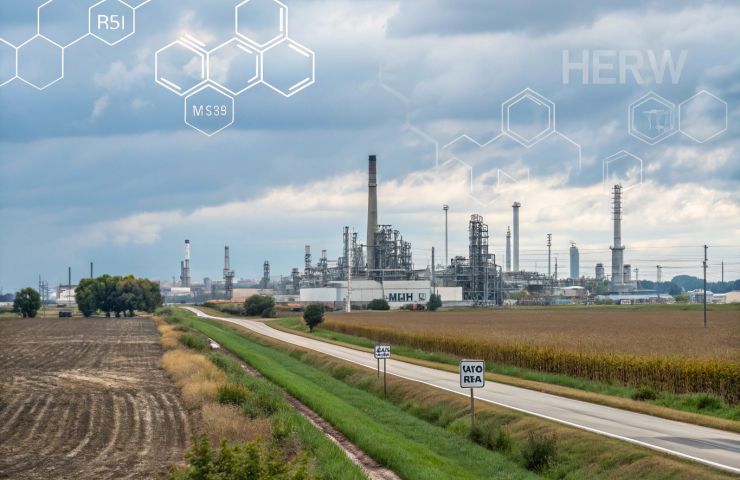
BP has hit the brakes on its ambitious plan to launch a blue hydrogen project at its largest refinery—the sprawling, century-old Whiting facility in northwest Indiana. The move is a significant blow to U.S. efforts to expand hydrogen infrastructure and scale up carbon capture and storage (CCS) technologies.
Big Plans, Local Pushback
The Whiting project was supposed to be a flagship piece of the broader MachH2 initiative—a federally funded clean hydrogen hub in the Midwest, supported by $1 billion in backing from the Department of Energy. BP’s role? Turn natural gas into blue hydrogen and store the resulting CO₂ underground in nearby counties.
But the vision didn't exactly win hearts and minds on the ground. Communities in Benton, Jasper, Newton, Pulaski, and White counties raised red flags. Locals were worried about everything from possible groundwater contamination to the risk of earthquakes. What really tipped the scales? A little-known Indiana law that could leave taxpayers footing the bill if the underground CO₂ storage fails. That didn’t sit right with anyone.
Money Talks, Markets Walk
While the community concerns were loud and clear, BP also pointed to some cold, hard financial realities. The economics just didn’t line up. Even with federal dollars in play, the market for hydrogen hasn't grown fast enough, and prices remain unpredictable. Add that to a lack of strong, long-term incentives, and it’s no surprise the company decided to pull the plug—at least for now.
According to insiders, the numbers simply weren’t adding up. The risk-reward balance had shifted, and not in BP’s favor.
Blue Hydrogen’s Stumble
Blue hydrogen, which involves producing hydrogen from natural gas while capturing CO₂ via carbon capture and storage, has long been seen as a stepping stone to a greener future. Technically? It works. But this project revealed a critical ingredient was missing: public trust.
Many residents pointed to BP’s rocky environmental track record at the Whiting site—past violations involving mercury, PFAS, and benzene in Lake Michigan. Combine that legacy with the risks of burying CO₂ underground, and the community wasn’t exactly eager to roll the dice. Trust wasn’t just fragile—it never had a chance to form.
Ripple Effects Across the Region
This move doesn’t just affect Indiana. As BP backs away, MachH2 as a whole could lose momentum. Other companies involved in the hub are now re-evaluating their own timelines, and there’s growing concern that if too many projects stumble, the federal funding could be at risk.
At the national level, regulators are stuck between pushing aggressive climate action and respecting local voices. When rules are written in a way that shields corporations more than communities, distrust can derail even the most forward-looking energy projects.
A Pattern Starting to Show?
This isn’t the first time a major CCS effort has hit a wall due to civic resistance, but it may be one of the most high-profile. If BP can’t win over a community for a blue hydrogen project at a site it’s run for more than a century, it says a lot. For companies betting on carbon capture and storage as a key decarbonization strategy, the message is clear: technical feasibility isn’t enough. There needs to be real outreach, honest conversations, and fair policies—especially when the stakes run underground.
One local official, speaking anonymously, summed it up bluntly: “If we’re going to be the test site for burying carbon forever, then someone better tell us what happens if it leaks in ten years.” The silence that followed spoke volumes.
Where Things Stand
So, for now, the Whiting refinery keeps running like it always has—churning out fossil fuels in a world trying to pivot away from them. Whether BP will revisit this blue hydrogen plan down the road is anyone’s guess. Maybe a shift in policy, stronger market signals, or a groundswell of public support will change the game. Maybe not.
But one thing’s certain: The future of clean hydrogen won’t just be decided by companies and contracts. It’s going to be shaped—sometimes fiercely—by the people who live where these projects land.
For BP and the broader MachH2 initiative, the journey to a hydrogen-powered future just got rockier, longer, and a whole lot more political.