Namibia Green Hydrogen Programme Powers Ahead with €500 Million Boost
Namibia accelerates its green hydrogen ambitions with major international funding and pioneering projects like HyIron–Oshivela and Daures Village. Here's how it's turning its sun and wind into global energy innovation.
Namibia’s Bold Bet on Green Hydrogen
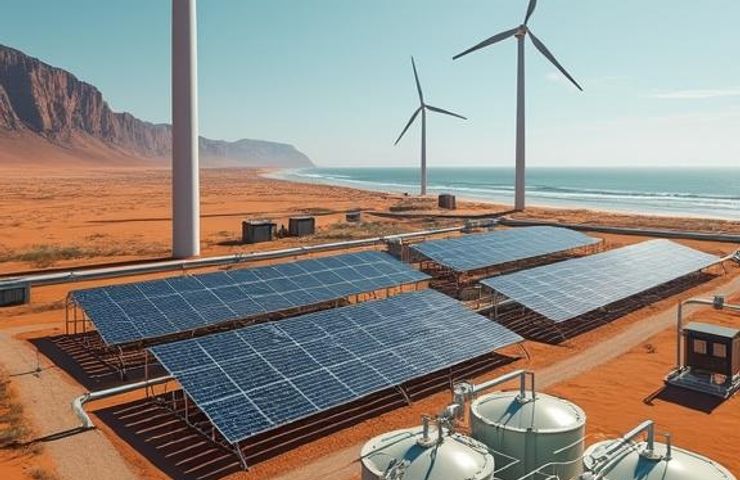
Namibia’s not just talking about the future—it’s rolling up its sleeves and building it. This southern African country, with its endless sun-baked deserts and steady Atlantic winds, is diving headfirst into one of the planet’s most ambitious green hydrogen strategies. Under the Namibia Green Hydrogen Programme (NGH2P), the nation is turning its natural advantages into economic opportunity, renewable hydrogen exports, and a leading role in Africa’s clean energy revolution.
Fueling the Dream: Big Money, Bigger Moves
The engine driving all this? Financing—big time. Namibia is knee-deep in discussions with the European Investment Bank (EIB) for a €500 million loan that would supercharge infrastructure for hydrogen production and export. Meanwhile, cash is already flowing from the Climate Investment Funds (CIF), giving early-stage ideas the financial fuel to become real, working projects. Add to that Germany’s Federal Ministry for Economic Affairs and Climate Action (BMWK) stepping in with technical and strategic support, and it’s clear: The world is betting on Namibia’s green hydrogen vision.
Proof It’s Not Just Talk
This isn’t just another grand plan waiting on a groundbreaking ceremony—things are happening. Look at the HyIron–Oshivela plant near Arandis. It fired up in March 2025 and became sub-Saharan Africa’s first green hydrogen-powered iron plant. Powered by a massive 12 MW electrolyser (the biggest you’ll find in the Southern Hemisphere), it’s showing how renewable hydrogen can drive heavy industry without the usual emissions.
And there's the visionary Daures Green Hydrogen Village (DGHV), tucked near the Neckartal Dam. Spanning a vast 15,000-hectare site, it’s mixing hydrogen, ammonia, and agrivoltaics to farmer-friendly effect. During its pilot phase, it aims to supply up to a third of Namibia's fertilizer needs—while also training locals and testing out sustainable methods for food and energy production. It's part lab, part local solution, and wholly future-facing.
Who's Behind the Big Shift
This green energy push isn’t a one-player show—it’s a team effort driven by a powerhouse coalition:
- Namibia Green Hydrogen Programme (NGH2P): The mission control. Manages everything from policies to partnerships and capital flow.
- EIB and CIF: Providing the financial lift-off. These two are unlocking concessional funds and catalyzing private sector buy-in.
- Germany’s BMWK: Steering the technical direction and strengthening Namibia’s infrastructure game via studies and expert input.
- Public institutions: From NamPower to Namport, they’re laying the groundwork—literally—through power grids, transport systems, and water access.
Turning Sun and Sea into Sustainable Fuel
Namibia's high-impact recipe for African clean energy combines natural resources with cutting-edge tech. Here's a breakdown of what’s making it work:
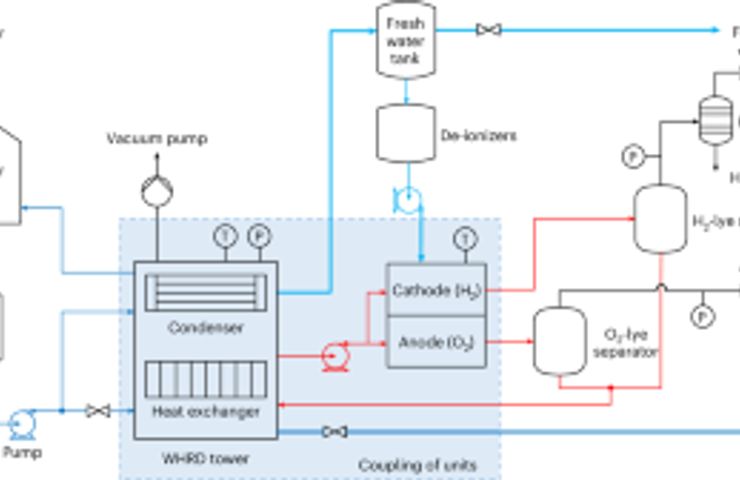
- Green Hydrogen Electrolysis: Start with water, add renewable power, and you’ve got zero-emission hydrogen—clean, simple, powerful.
- Green Ammonia Production: Take that clean hydrogen, toss in nitrogen from the air through the Haber-Bosch process, and you’ve got low-carbon fertilizer—no dirty byproducts necessary.
- Large-scale renewables: Solar and wind farms near Lüderitz and Arandis are cranking out the megawatts needed to fuel hydrogen projects and green ammonia production.
- Common-user infrastructure: From desalination plants to pipelines and upgraded ports and railways—it’s the backbone making mass production and renewable hydrogen exports possible.
Why It Matters: Local Impact, Global Reach
This isn’t just an energy play—it’s a national development strategy with real teeth. Early projects have already generated over 800 direct jobs and funneled more than N$170 million into Namibian small businesses. Producing fertilizer at home doesn’t just lower costs; it boosts Namibia’s food security and supports local farmers all while shaving off emissions from import logistics.
Globally, the country’s position as a future provider of emission-free hydrogen and green ammonia could make it a go-to supplier for zero-carbon fuels in Europe and other industrial regions.
That said, the journey comes with some questions. Large-scale hydrogen development means significant land and water use, which has already raised concerns from civil groups and political watchdogs. The Namibian government, again backed by Germany, is responding by commissioning deep-dive environmental and social assessments to make sure the benefits don’t come at too steep a cost.
A Spark for the Continent
Namibia's energy ambitions aren’t stopping at the border. Plans for a hydrogen pipeline linking Namibia and South Africa are well underway. If realized, it would be a pioneering move—pushing regional green energy collaboration into a whole new era. Even more, the country’s success story could become a blueprint for others across Africa who have the resources and need for their own leap into clean energy leadership.
What’s on the Horizon?
The strategy going forward is clear: keep the momentum and unlock more private investment. The Namibia Green Hydrogen Programme is aiming for a 3:1 leverage ratio—for every dollar of public funding, bring in three from the private sector. By 2030, Namibia has its eyes set on exporting green ammonia, fueling low-carbon ships, and playing a frontline role in the global net-zero transition.
As NGH2P leaders like to put it, “We're exporting sunlight.” And with working iron plants, pilot villages, and cross-border energy corridors already underway, that tagline’s more than just catchy—it’s starting to look like the shape of things to come.