Linde Expands U.S. Industrial Gas Capacity to Support Space Sector Growth
Linde is scaling up liquid oxygen and nitrogen production with new sites in Texas and Florida to support rocket launches and industrial growth.
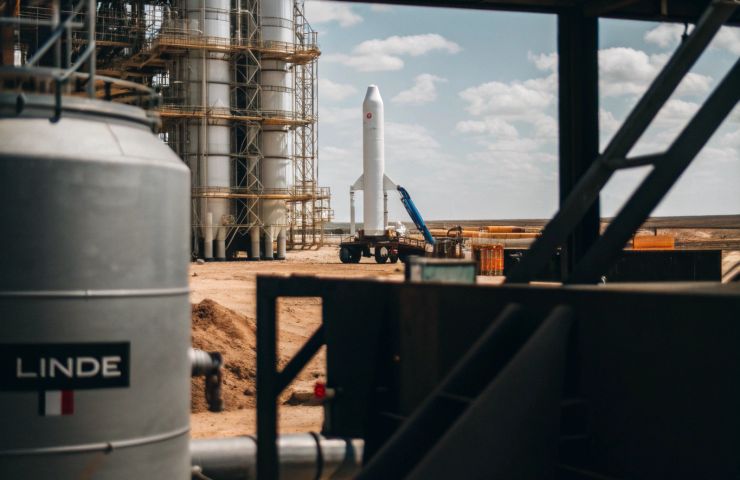
Linde plc has never been a stranger to big leaps—after all, they helped fuel the Apollo missions back in the day. Fast forward to today, and they’re once again at the heart of another space-age push. As private space companies launch toward ambitious new frontiers and clean energy goals, Linde is stepping up in a big way, investing heavily on both U.S. coasts to keep the pace and power the next generation of lift-offs.
Boosting Lift-Offs with Smarter Infrastructure
To meet the soaring demand for mission-critical liquid oxygen and nitrogen, Linde is rolling out two major projects—each designed with the booming U.S. commercial space sector in mind. First up: a brand-new air separation unit (ASU) in Brownsville, Texas. Then, a major expansion of their current facility in Mims, Florida. These gases play a key role not just in launching rockets, but in powering the ultra-cold cryogenic processes behind them—putting Linde right at the core of today’s space supply chain.
The Brownsville site—a $100 million investment—is more than just an ASU; it’s a statement. Sitting on 72 acres inside North Brownsville Industrial Park and backed by $1.3 million in support from the Greater Brownsville Incentives Corporation, it’s expected to generate 90 quality jobs in one of the fastest-growing aerospace hotspots in Texas. If all goes to plan, the site goes live in early 2026.
Florida Isn’t Taking a Back Seat
On the other side of the country in Mims, Linde’s expanding its long-standing presence near Cape Canaveral and the Kennedy Space Center. With Florida’s coast seeing a sharp rise in launch activity, the need for high-purity cryogenic gases is skyrocketing. This move is about staying ahead of that curve. The expansion project, on track for completion in 2027, will double down on Linde’s ability to keep the tanks full and the rockets ready in this launch-heavy corridor.
What really makes these projects solid is that they’re not built on guesswork. Linde’s working under long-term agreements with major customers, which adds a big layer of financial stability and shows how serious stakeholders are about this next wave of space-driven demand. And it’s not just rockets—interest in clean tech, chemicals, healthcare, and advanced manufacturing is adding more pull on industrial gases from all directions.
Inside the Tech: How ASUs Do Their Thing
So, what exactly does an air separation unit do? In simple terms, it turns regular air into the pure stuff rockets can’t launch without. By cooling atmospheric air until it liquefies, then slowly warming it back up, ASUs extract oxygen, nitrogen, and argon based on their boiling points. The purified oxygen used in spaceflight is off-the-charts precise—often hitting 99.999% purity. That’s where Linde’s decades of cryogenic know-how really shine.
Brownsville’s Moment to Shine
Brownsville has been on the up and up, especially with SpaceX setting down roots nearby. Linde’s entry adds another powerful element to this transformation, helping position the town as a key player in America’s emerging aerospace economy. Low operating costs and a can-do approach from local government make Brownsville a smart bet for this kind of forward-looking investment—especially when tech, space, and climate goals intersect the way they do here.
The Ripple Effect: It’s Bigger Than Space
Though rockets might grab the headlines, Linde’s added capacity is going to benefit a whole lot more than just launchpads. From healthcare providers who rely on medical-grade gases, to manufacturers and researchers, and even emerging hydrogen production and sustainable energy projects, the reach of these facilities runs deep. Both oxygen and nitrogen play major roles in hydrogen infrastructure and industrial decarbonization, two sectors gaining serious traction as the U.S. works toward cleaner, smarter systems.
Of course, more infrastructure means questions about environmental impact will come sooner or later. But right now, communities seem ready to welcome the tradeoff—especially with jobs, training, and long-term growth in the mix.
What It All Means for the Bigger Picture
It’s not every day you see space, energy, and economic development all pulling in the same direction, but that’s exactly what’s happening here. Linde’s investments in production and hydrogen-friendly tech show how traditional industrial expertise can fuel cutting-edge ambition. By building the supply backbone today, they’re setting the stage for smarter, cleaner, and more capable systems tomorrow—both on the ground and in the skies above.
About Linde plc
Linde plc, based in Ireland, is a world leader in industrial gases and engineering solutions, operating in over 100 countries. From hospitals to space launches, Linde keeps critical systems running. The company’s track record in space goes back to the Apollo days, and they’ve continued to bring their A-game to every mission since. Now, with a focus on the future—including clean energy and sustainable technology—Linde is helping power the next wave of innovation across industries.