Hyundai Rotem Showcases 400 km/h High-Speed Concept and Hydrogen Fuel Cell Trains at InnoTrans
Hyundai Rotem showcased a 400 km/h high-speed concept, a 220 km/h hydrogen multiple unit and a 3 MW hydrogen freight locomotive prototype at InnoTrans.
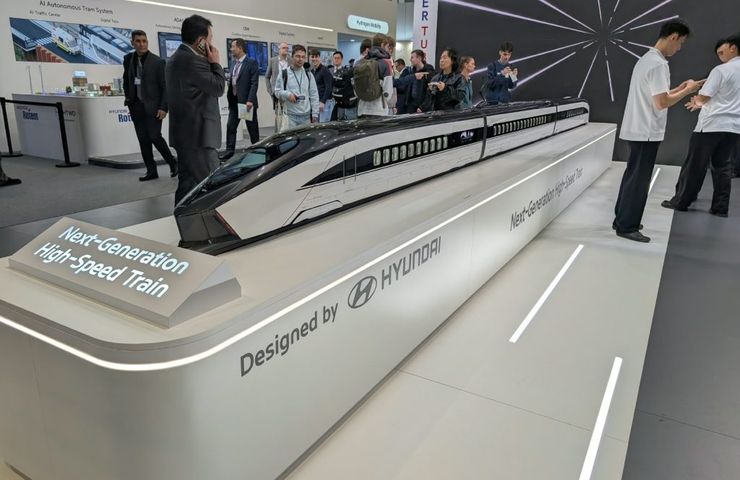
At InnoTrans in Berlin, Hyundai Rotem unveiled three distinct railway development concepts: a next‑generation high‑speed train aimed at a 400 km/h peak and 370 km/h service speed, a 220 km/h hydrogen fuel‑cell multiple unit derived from the KTX‑Sancheon platform, and a six‑axle hydrogen freight locomotive prototype intended to deliver power comparable to conventional diesel units while using regenerative braking, according to Railway Gazette International. The trio covers long‑haul, regional and freight roles. Hyundai Rotem showed them as trade‑fair studies rather than production models.
South Korea’s high‑speed rail story began with the original KTX fleet, built on transferred French TGV technology, and progressed through locally developed platforms such as the HEMU‑430X research train, according to Hyundai Rotem’s official product information. That engineering lineage feeds directly into the new 400 km/h concept. Hyundai Rotem positions the design for markets seeking premium high‑speed services.
Next-Generation High-Speed Train Concept
The 400 km/h target blends aerodynamic profiling, lightweight materials and distributed traction to squeeze performance toward the engineering limit of high‑speed operation, as outlined by Hyundai Rotem. A 370 km/h service speed is the practical objective. It reflects certification hurdles, track geometry, noise rules and signalling capacity. Power would be drawn from the overhead catenary by pantographs and routed to traction motors. Braking mixes regenerative systems with conventional friction discs to recover kinetic energy and improve efficiency.
Hyundai Rotem stresses this is a conceptual study rather than a finished product. No operator orders or government approvals have been secured, and further design validation and line trials are prerequisites for certification and service entry, according to Railway Gazette International.
Hydrogen Fuel-Cell Passenger Train Concept
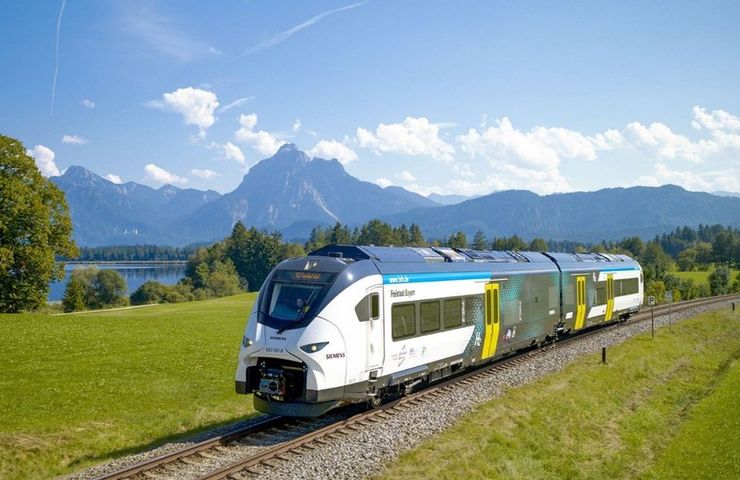
The hydrogen multiple unit builds on the KTX‑Sancheon family and is reported to reach 220 km/h on electrified routes and up to a certain speed in tunnels under fuel‑cell power alone, according to Railway Gazette International. Fuel‑cell power cars sit at each end of the formation and contain compressed hydrogen tanks feeding proton exchange membrane (PEM) stacks. Electricity from the stacks drives traction motors, while onboard batteries buffer peak power demands and capture regenerative braking energy.
This concept depends on hydrogen infrastructure for refuelling, including high‑pressure storage, specialised dispensers and safety systems for leak detection and ventilation, according to industry technical briefs. Hyundai Rotem traces its hydrogen mobility research to 2009, citing early tram demonstrations and a contract for 34 fuel‑cell trams on Daejeon Metro Line 2, which together frame hydrogen trains as the next phase in a staged deployment, according to Hyundai Rotem’s technical website.
At present the project remains a design proposal. Prototype construction will follow only after a formal order, detailed engineering and route‑specific assessments.
Hydrogen Freight Locomotive Prototype
Hyundai Rotem is constructing a six‑axle hydrogen freight locomotive prototype that aims to match the power output common in diesel units, according to Railway Gazette International. The traction system combines fuel‑cell modules with a battery buffer to handle transient loads and to capture braking energy. Regenerative braking returns electricity to the batteries, cutting net energy consumption.
Six axles give higher tractive effort for heavy freight duties while hydrogen traction eliminates tailpipe emissions, leaving water and heat as the only byproducts at the point of use. Actual performance will hinge on tank capacity, fuel‑cell durability, thermal management and station‑based refuelling capabilities. Completion of prototype testing is planned pending technical validation, according to Hyundai Rotem.
Development Roadmap and Historical Context
Construction of South Korea’s high‑speed network began in the early 1990s, with the first KTX services entering operation in 2004 under licence from a French technology partner, according to Korail. Localisation efforts then produced the KTX‑Sancheon, developed domestically by Hyundai Rotem and introduced into service in 2010. Research platforms such as the HEMU‑430X and EMU‑320 advanced distributed‑traction technology and informed the aerodynamic and propulsion thinking behind the current concepts, according to Hyundai Rotem’s official product information.
Hydrogen traction research started in 2009 with fuel‑cell tram prototypes and moved on to a demonstration contract for 34 trams on Daejeon Metro Line 2 in 2024. Hyundai Rotem’s technical roadmap outlines a staged approach that moves from urban tram applications to commuter trains, heavy freight locomotives and, ultimately, high‑speed hydrogen multiple units, according to Hyundai Rotem’s technical brief.
The staged strategy mirrors wider industry experience. These concepts are the product of a decade‑long R&D path that draws on lessons from both high‑speed electrified operation and fuel‑cell vehicle engineering.
Engineering Focus: Aerodynamics and Safety
Designing a train for 400 km/h demands careful control of aerodynamic drag, tunnel pressure waves and crosswind effects. Hyundai Rotem’s concept cars show streamlined noses, smooth underbody fairings and optimised gap seals to curb turbulent flow, according to Hyundai Rotem. At such speeds, small surface irregularities can create pressure transients that reduce passenger comfort.
Pantograph stability is a critical concern to maintain uninterrupted contact with the overhead at 400 km/h. Engineers must balance brush uplift, contact force and catenary stiffness to avoid arcing. Bogie suspension and primary damping are tuned to manage wheel‑rail forces, and noise mitigation relies on acoustic insulation plus low‑wheel‑noise profiles, according to industry technical notes.
Fuel-Cell Technology Deep Dive
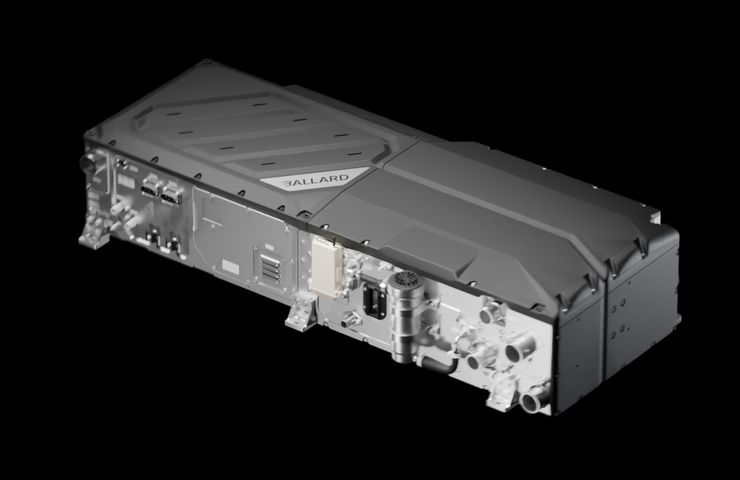
Proton exchange membrane (PEM) fuel cells convert hydrogen and oxygen into electricity, heat and water without combustion. Stacks composed of bipolar plates and membrane electrode assemblies produce direct current that passes through inverters to drive traction motors. In rail use, modular fuel‑cell units ease maintenance and allow capacity to be scaled, according to technical research on hydrogen rail solutions.
Hydrogen storage presents limits in energy density and complicates refuelling logistics. Compressed gas demands heavy, pressure‑resistant tanks; liquid or solid‑state options remain experimental. Onboard batteries handle transient spikes and lift overall efficiency. Safety systems — including leak detectors and ventilation — are required to prevent gas accumulation, according to industry safety standards.
Policy and Infrastructure Challenges
The Government of the Republic of Korea has adopted policies to promote green hydrogen production and to explore replacing diesel locomotives on non‑electrified lines, according to the Ministry of Transport and Industry. Support for fuel‑cell research and funding for refuelling stations form part of the national strategy. Still, no final procurement orders for hydrogen trains have been confirmed.
Building a hydrogen rail network will require coordinated investment in electrolysis facilities, high‑pressure storage depots and station refuelling equipment. Lifecycle emissions depend on feedstock: electrolytic hydrogen produced with renewable electricity lowers the carbon footprint, whereas hydrogen from natural gas can carry substantial upstream emissions. Standardisation of rail hydrogen fuelling protocols remains a major regulatory hurdle.
Strategic and Market Implications
Pairing an advanced high‑speed concept with hydrogen traction prototypes allows Hyundai Rotem to pursue two complementary markets: premium long‑distance corridors served by electrification and non‑electrified routes where overhead wiring is impractical, according to industry analysis. The high‑speed platform is intended to compete with established suppliers by offering a balance of engineering ambition and operational viability.
The hydrogen concepts engage broader hydrogen mobility trends and sit within ongoing clean hydrogen news debates by proposing an alternative to diesel on secondary lines and freight corridors. Their feasibility will depend on the lifecycle emissions of hydrogen production — whether from green electrolysis or conventional supply chains — and on energy losses during compression, storage and distribution that affect total‑cost comparisons.
Looking Ahead
Presented as trade‑fair concepts, these proposals signal Hyundai Rotem’s dual‑pronged strategy: expand exports while aligning with decarbonisation goals. The route to service is clear in outline but complex in practice. Prototype trials, regulatory approvals, customer commitments and infrastructure rollout are all required. If those elements align, South Korea’s rolling‑stock industry could strengthen its role in global rail decarbonisation, though significant technical, commercial and policy challenges remain.