HyShip pushes hydrogen infrastructure with SeaShuttle vessels
HyShip has chosen two Samskip SeaShuttle vessels for an 18-month liquid hydrogen demo on the Rotterdam–Oslofjord route, pairing 6.4 MW of Ballard FCwave fuel cells with cryogenic storage and shore-side bunkering.
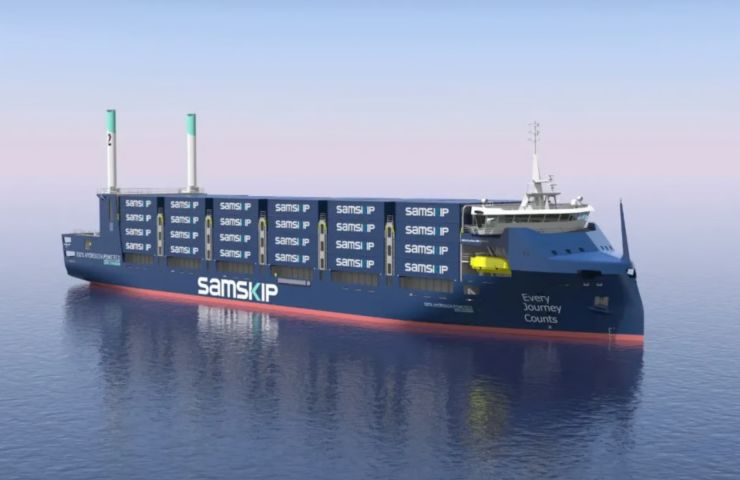
The EU-backed HyShip project is stepping up the game in hydrogen shipping by using Samskip’s two SeaShuttle liquid-hydrogen container vessels for a groundbreaking demo that connects Rotterdam and the Oslofjord region. Managed by Maritime CleanTech and funded by the Clean Hydrogen Partnership, this ambitious initiative showcases a combo of 32 Ballard FCwave fuel-cell modules—totaling a whopping 6.4 MW—paired with cryogenic storage and batteries, all supported by onshore bunkering from LH2 Shipping AS. The first vessel is expected to hit the waters for commercial service by mid-2027, marking an exciting shift from prototype tests to reliable freight runs.
HyShip isn’t your typical lab experiment; it’s all about gathering real-world data. Over the next 18 months, the project aims to accumulate more than 3,000 hours of operating data. This will cover everything from cargo handling and port maneuvers to bunkering cycles. If they pull it off, this could serve as a blueprint for creating green hydrogen corridors, allowing us to see if liquid hydrogen can actually handle containerized freight while navigating tight schedules, unpredictable weather, and evolving safety standards.
Under the Hood
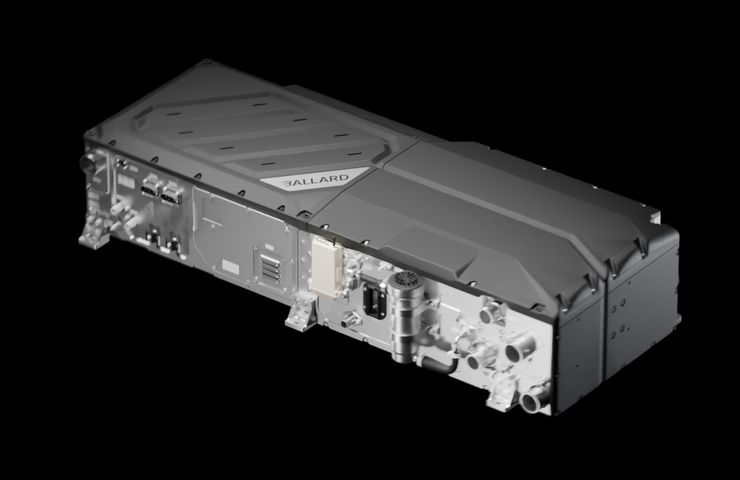
So, what’s going on under the hoods of these SeaShuttle vessels? Each one integrates 16 of Ballard’s FCwave 200 kW proton exchange membrane fuel cell engines. These modules work their magic by converting hydrogen into electricity through an electrochemical process, which splits H₂ into protons and electrons. Then, they combine these with oxygen to make water while generating power for the main electric motors and other onboard needs. To keep things running smoothly during peak demands—like when accelerating or docking—a roughly 1 MWh battery pack steps in to balance everything out, ensuring the fuel cells can operate at their best efficiency.
Liquid hydrogen is stored in super-cooled cryogenic tanks, chilled down to around –253 °C. Before the hydrogen makes its way into the fuel cells, it gets turned into high-pressure gas using vaporizers. On the partner list for this venture, eCap Marine GmbH is in charge of system integration. They’re connecting the fuel-cell stacks, cooling loops, electrical distribution, and control software into one seamless propulsion setup. Meanwhile, NAV-TECH B.V. lends its expertise in ship design and construction, and DNV is there to provide type approval for the FCwave modules and ensure safety systems are up to the mark.
Route in Focus
The starting point is Rotterdam’s busy port complex, which handles over 14 million TEUs each year, supported by a vibrant metropolitan economy of about 3.2 million folks. On the other side, the Oslofjord region, with around 1.5 million residents, offers well-established bunkering zones and a history of hydrogen trials, like Norled’s MF Hydra ferry. Choosing this corridor makes perfect sense. It marries short-sea shipping with frequent port calls, creating an ideal setup for collecting data on how bunkering and turnaround procedures play out. Both ports are gearing up to upgrade their pipelines, transfer systems, and safety protocols to manage operations under those ultra-low temperatures, all while keeping up with emerging IMO and DNV guidelines.
Why It Matters
Decarbonizing shipping is more than just swapping out engines; it’s about demonstrating that entire supply chains can adapt to reach zero emissions. The HyShip project connects the dots between hydrogen production, liquefaction, transport, bunkering, and vessel operation. This is catching the eye of EU policymakers and the International Maritime Organization (IMO), especially since the IMO is aiming for significant cuts in emissions by 2050. Plus, the EU’s FuelEU regulation is putting strict greenhouse gas intensity limits on ships calling at European ports. As interim guidelines for hydrogen bunkering and port standards evolve, the real-world data from HyShip is going to be invaluable.
Unlike typical research charters, Samskip’s SeaShuttle vessels will operate under actual commercial contracts, facing real pressure like market schedules, cargo delivery, trained crew members, and often unpredictable seas. This is where they’ll uncover any potential bottlenecks, from fuel logistics to safety approvals and equipment reliability—issues that lab tests simply can’t expose. HyShip’s goal of 3,000 operational hours acts as a real stress test for hydrogen infrastructure in genuine shipping scenarios.
Who’s on Deck
The 15-member HyShip consortium brings together a mix of maritime operators, technological suppliers, integrators, and research institutes. Alongside Samskip and Maritime CleanTech, you’ve got Germany’s eCap Marine handling system integration, Norway’s LH2 Shipping AS providing port-side bunkering, and Dutch NAV-TECH B.V. offering shipbuilding expertise. Fuel cells are supplied by Canada’s Ballard Power Systems, while DNV offers classification and technical assurance. Academic support comes from ETH Zurich and the University of Strathclyde, which are helping with safety studies and lifecycle assessments. This robust partnerships aim to cover every link of the hydrogen value chain.
Maverick Take
Let’s be real for a moment: liquid hydrogen isn’t just a walk in the park. Storing it is tricky and the costs can be sky-high—plus, safe handling demands top-notch protocols. Transfers at those super low temperatures can really stress equipment, and any nitrogen used to purge lines might cause freezing issues. Ports need to invest heavily in cryogenic transfer setups, monitoring systems, and staff training, all while green hydrogen supply chains are still in their infancy. If HyShip encounters problems with bunkering or sees costs go through the roof, shipping companies might just stick with LNG or even stick to good old-fashioned methanol.
That impressive 6.4 MW figure hides some underlying costs. Successful shipping corridors thrive on reliability and keeping marginal costs per voyage low. Fuel cell modules can wear down, tanks need regular checks, and boil-off is a continuous energy drain. Unless the price of green hydrogen drops considerably and liquefaction becomes more energy-efficient, hydrogen shipping might remain more of a niche market. Without solid offtake agreements locking in long-term green hydrogen pricing, shipowners could be left struggling with fluctuating costs that hurt their return on investment models. Still, regulators may push for decarbonization mandates, and early adopters could secure lucrative contracts from sustainability-conscious clients.
Next Port
If HyShip manages to clear its performance hurdles and gather solid data on fuel usage, boil-off control, and turnaround times, it could provide regulators, insurers, and investors with the evidence they really need. The transition from lab idea to regular operation depends heavily on those logs. Positive results could open the door to financing more vessels, bunkering stations, and hydrogen pipelines to key ports. Expanding beyond this route—from the North Sea to the Mediterranean—will really depend on how well HyShip’s approach can be replicated.
But they’re launching this demo in a landscape where green hydrogen production is still under 2 percent of global supply, and liquefaction can burn up as much as 30 percent of the energy. The big question remains: will hydrogen-powered shipping make the leap from pilot programs to mainstream operations, or will it stay within the realm of early adopters supported by grants? Keep an eye out for weather delays, training challenges, and cost comparisons with LNG and traditional diesel. That’s where the true impact of HyShip will lie—either as a milestone moment or a real cautionary tale.