Hydroplane Hits Flight Speed Milestone with Hydrogen Fuel Cell Rotor Platform
Hydroplane hits full rotor flight speed in major hydrogen fuel cell aviation test, signaling progress for zero-emission UAVs and military aircraft.
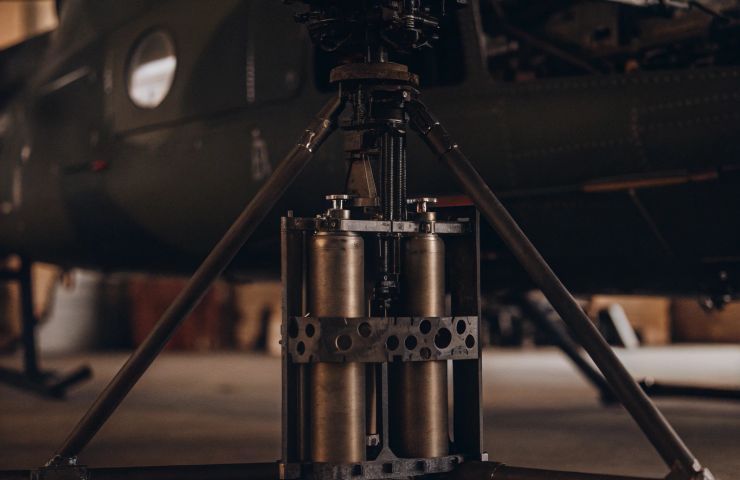
Hydrogen fuel cells are making some serious moves in aviation, and this time, it’s not just hype. On July 10, 2025, California startup Hydroplane hit a big milestone—they successfully ran their hydrogen-electric rotor transmission at full flight speed. In plain English: they proved their tech can fly. This puts them—and hydrogen-powered aircraft—a whole lot closer to being mission-ready for military and next-gen aviation.
Ready for Takeoff—Literally
This wasn’t just a cool science experiment. The test happened in the U.S. under a Small Business Innovation Research (SBIR) contract with the U.S. Army. And it underscores something pretty major: hydrogen fuel cell technology can actually go head-to-head with traditional internal combustion engines in helicopters, drones, and even future urban air mobility vehicles—without spewing emissions or waking up the neighbors.
“This demo shows we can handle real-world flight conditions,” said Dr. Anita Sengupta, Hydroplane’s CEO. “It’s a big leap forward—not just for clean aviation, but for military resilience too.”
Why This Tech Stands Out
At the heart of all this is Hydroplane’s modular hydrogen fuel cell powerplant. It’s built to scale, adaptable across aircraft types, and has some very tactical advantages. By pairing hydrogen fuel cells with an electric motor and rotor system, they’ve created a propulsion setup that’s not only quieter but also sheds its heat signature—huge pluses for defense and stealth ops.
- Target aircraft: certified, experimental, and next-gen crewed platforms, plus UAVs
- Use cases: from main propulsion to backup auxiliary power
- Benefits: stealthy operation, high resilience, and quick setup even in remote zones
And there's more on the logistics front: thanks to local hydrogen production via electrolysis, you’re no longer chained to massive fuel supply lines—a massive win for remote bases or forward-deployed units.
U.S. Defense Is Backing the Push
This breakthrough is part of Hydroplane’s participation in xTechSearch 8, the U.S. Army’s innovation search for small businesses making major waves in defense tech. After winning the 2024 round for their advanced hydrogen storage capabilities, Hydroplane's profile keeps rising. They’ve also worked with the U.S. Navy and U.S. Air Force on projects like Agility Prime, which explores cutting-edge electric and hydrogen-powered aircraft.
What’s the military actually looking for? Think quiet, cold-running, easy-to-deploy propulsion. That’s exactly the type of problem Hydroplane’s fuel cell technology is solving—no emissions, low noise, no fuss setup.
It’s Been a Long Time Coming
Believe it or not, hydrogen fuel cell aviation has been floating around as an idea since the 1960s. But only now—thanks to new materials and smarter system integration—are we seeing aircraft actually take to the skies with this tech. Hydroplane’s latest test is one of the first fully verified runs at complete rotor flight speed using hydrogen. That’s a big deal in a space where working prototypes are still rare.
It matters too. Aviation is under massive pressure to decarbonize, and while battery-powered systems sound great, they usually can’t deliver the power-to-weight ratio rotorcraft need. Hydrogen fuel cells, on the other hand, offer a better balance for longer, tougher flights.
Looking Ahead
Next stop? EAA AirVenture Oshkosh 2025. Hydroplane’s planning to put their tech on display at one of the biggest aviation showcases in the world. It’s the perfect stage to show not just the military, but also experimental aircraft builders and light commercial aviation folks what zero-emission technology can really do.
And the wind’s blowing in the right direction. The Department of Defense is taking climate goals seriously, NASA and the FAA are pushing green aviation harder than ever, and funding is ramping up for sustainable flight solutions. That all spells opportunity for startups like Hydroplane.
Born in defense and breaking into the private sector, Hydroplane is shaping up to be a real contender in the race to bring scalable zero-emission aviation systems to the skies.
Image Prompt
A modern hydrogen-powered UAV or helicopter rotor assembly being tested on a high-tech stand, with visible components of the hydrogen fuel cell system and cylindrical hydrogen tank, set in an advanced aerospace facility. Include a clean aviation backdrop with elements of a military or experimental airfield.