Hydrogen Supply Chain Project Launched by Toshiba in Tsuruga Aims to Boost Local Energy Resilience
Toshiba teams up with Tsuruga City to build a hydrogen supply chain in Japan, creating a real-world model for sustainable hydrogen production, storage, and use in regional communities.
Hydrogen Production Gets Real with Toshiba’s Hands-On Energy Project in Japan
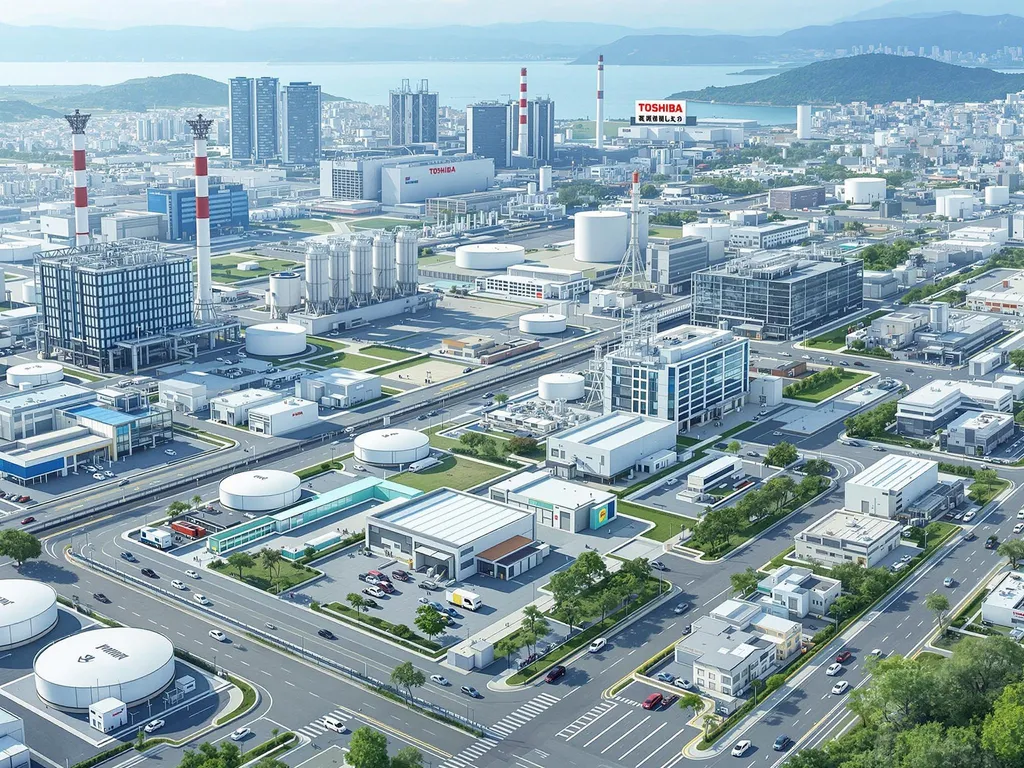
Toshiba Corporation is rolling up its sleeves and getting serious about clean energy. The tech giant has just unveiled its plans to set up a full-blown hydrogen supply chain in Tsuruga City, Fukui Prefecture, and it’s not just talk. The project aims to prove how hydrogen production, storage, and utilization can actually work together to meet real-world, local energy needs.
This isn’t just another pilot—it’s shaping up to be a model for hydrogen infrastructure across Japan. Toshiba's message is clear: hydrogen will be a cornerstone of its strategy to drive industrial decarbonization while breathing new life into regional economies.
Building a Local Hydrogen Ecosystem
To make this happen, Toshiba Corporation is teaming up with Tsuruga City’s municipal government, putting a public-private partnership at the heart of the project. Together, they’re planning to roll out a full system—from hydrogen production (probably using electrolysis) to on-site storage and even hydrogen fuel cells that could power homes, transport, or buildings. They haven’t released the nitty-gritty details or timelines just yet, but the industry is watching closely. There’s buzz that this could become the blueprint for making clean energy work at the local level.
Why Tsuruga? It’s actually a smart choice. The city has relied on nuclear power for years and now sees hydrogen as a way to diversify its energy mix and cut down CO₂ emissions. With Toshiba’s background in power grids, electronics, and clean tech, it’s in a strong position to lead this transition.
Setting the Pace for Regional Energy Innovation
Japan’s no stranger to hydrogen—it’s been an early adopter for years, backing everything from hydrogen fuel cells in cars to power systems for homes. This project lines up perfectly with Japan’s bigger goal of becoming a “hydrogen society.” And with many regional areas struggling from a shrinking population and fading industries, this kind of initiative might just be what they need—bringing in new jobs and new momentum.
What makes Toshiba’s push stand out is its tight focus on localization. Unlike large-scale hydrogen farms aimed at exporting fuel—like the ones in Australia or Saudi Arabia—this one’s all about building a self-sustaining loop right in the community. It's a very “think global, act local” kind of move, and it fits Japan’s practical, community-first mindset.
Looking at What Others Are Doing Too
This isn’t happening in a vacuum. Across the globe, there are other small-scale green hydrogen projects picking up speed. Germany has its Hydrogen Model Regions program to jumpstart community-level hydrogen systems, and California once tried to kickstart zero-emission travel with its Hydrogen Highway initiative. What’s interesting in Tsuruga is how tightly everything’s connected—from hydrogen production to storage to actual use. It’s a compact, integrated approach tailored to both urban and rural landscapes.
Big Promise—But a Few Hurdles Too
If everything goes as planned, the benefits could be huge: lower local emissions, new business opportunities, and a repeatable model that other cities can follow. It might also give Toshiba a solid edge in the race to lead the global hydrogen fuel cells market.
That said, this won’t be a walk in the park. Making green hydrogen cost-effective still hinges on cheap renewable electricity, bigger and better electrolyzers, and the right policy support to back it all up. There’s also the matter of building out infrastructure—safely—along with creating long-term demand. If Toshiba can prove that this works in Tsuruga, with real people and real energy needs, that’s a powerful message to the rest of the world that hydrogen infrastructure is more than just a concept—it’s happening.
Looking Ahead
For Toshiba, this isn’t just a side hustle. It’s a clear bet on what’s next. As Japan looks for smarter, more resilient energy systems post-Fukushima, hydrogen stands out as a flexible, clean, and decentralized solution. And for the rest of the world keeping tabs on the hydrogen production revolution, this project is a strong sign that change isn’t just coming—it’s already moving in, one neighborhood at a time.
We’ll be following this closely and will bring updates as soon as more details come out—especially around the technology mix, energy output, and how the local community is getting involved.
About Toshiba Corporation
Toshiba Corporation, based in Tokyo, is a longtime heavyweight in the tech and infrastructure world, with roots going back to 1875. Today, the company is pushing hard into clean energy and smart systems, with hydrogen taking a front-row seat in its strategy for the future.