Hydrogen storage and zero-emission technology spotlight Cummins’ IAA Transportation portfolio
Cummins and Accelera by Cummins showcased a broad mix of battery-electric, hybrid, natural-gas, advanced diesel and hydrogen storage technologies at IAA Transportation, highlighting that industrial decarbonization in heavy-duty transport demands multiple technology pathways.
Cummins and Accelera by Cummins unveiled a wide array of powertrain technologies at the IAA Transportation event in Hannover this month. The display ranged from established combustion engines and hybrids to battery-electric systems, eAxles and high-pressure hydrogen storage. It underscored a simple point: industrial decarbonization in heavy-duty transport will require multiple approaches, not a single fix.
This variety plugs into a broader strategy Cummins describes as the Destination Zero vision. The company still points to its more than century-old pedigree in diesel engines, yet Accelera—formerly known as New Power until it rebranded in 2023—now focuses squarely on zero-emission technology. That portfolio includes batteries, hydrogen fuel cells, electrolyzers and electric drivetrains.
Why the breadth? According to Cummins, hitting their Destination Zero goals depends on deploying different pathways to meet varied applications, regulatory regimes and infrastructure realities. Accelera by Cummins says it is stepping up work on green hydrogen production, hydrogen infrastructure and battery systems, increasing research and development and scaling operations globally.
Combustion remains in play
A focal point of the traditional lineup was the HELM family of multi-fuel engine platforms. These modular designs—including the heavy-duty B7.2 and medium-bore X10—use common block structures and electronic controls that let them run on diesel, compressed natural gas or other fuels. The goal: easier integration into vehicle designs and consistent service routines, with improved exhaust treatment helping to maintain compliance.
On routes not yet suited to full electrification, these engines can cut NOₓ and particulates markedly compared with older models. Emissions intensity, however, still depends on the fuel chosen and the supply-chain emissions tied to it. In short, combustion remains a transitional option rather than a permanent zero-emission solution.
Scaling battery-electric power
On the electrification front, Accelera by Cummins introduced a multi-tier Advanced LFP battery platform. This modular lithium-iron-phosphate system enables fleets to match battery capacity to route requirements—one module for short urban runs, multiple modules for longer regional hauls. The architecture is deliberately flexible.
LFP chemistry trades some energy density for stronger thermal stability and longer cycle life, which cuts costs and improves safety. An integrated battery-management system monitors temperature and state of charge, while a cooling system helps preserve cell performance. Regenerative braking returns energy to the pack, raising overall efficiency and reducing brake wear.
The 14Xe eAxle also drew attention. This combined unit houses the electric motor, inverter and reduction gearing within a single axle, simplifying installation and freeing space in the chassis. It delivers consistent power suited to medium and heavy-duty trucks, with instant torque and advanced traction control.
Hybrid as a stepping stone
Cummins also showed the medium-duty X10 platform with hybrid capabilities. There, an electric motor supplements the combustion engine to boost take-off torque, harvest braking energy and assist under heavy loads. Smart power-management software allocates energy based on route profiles and battery state, cutting fuel use without requiring extra charging points.
Natural-gas options
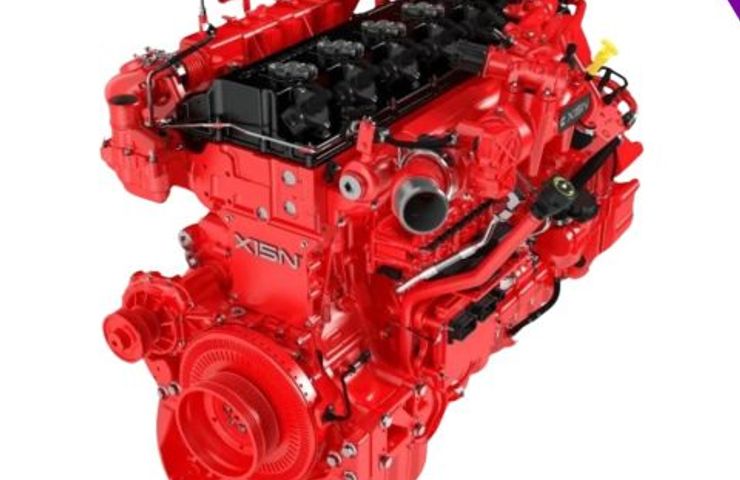
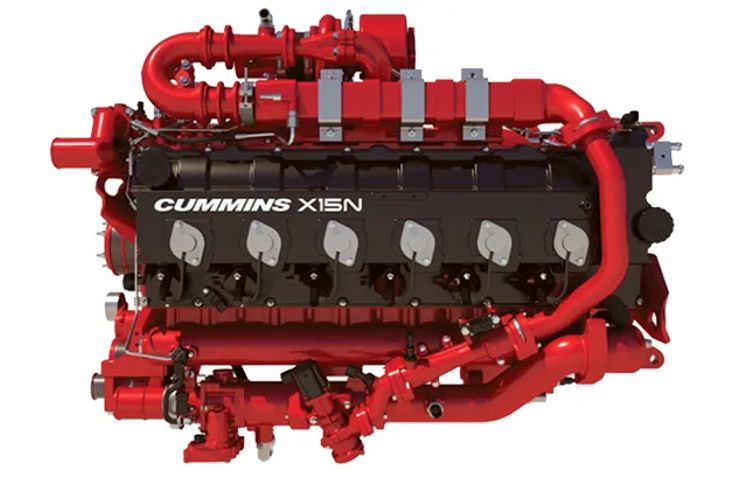
The heavy-duty X15N natural-gas engine made its European debut, illustrating the company’s multi-fuel stance. Capable of running on compressed natural gas or biomethane, the X15N is designed to fit into existing chassis with minimal changes. While tailpipe CO₂ can be lower than diesel’s, overall climate impact hinges on upstream methane leakage and the share of renewable gas used.
Hydrogen storage and fuel cells
Hydrogen featured prominently through high-pressure composite cylinders supplied by NPROXX as part of a joint venture. These Type 4 tanks—made of polymer liners wrapped in carbon-fiber composites—store hydrogen at varying pressures, including 700 bar for automotive applications, and are configured to feed either fuel cells or hydrogen-burning engines.
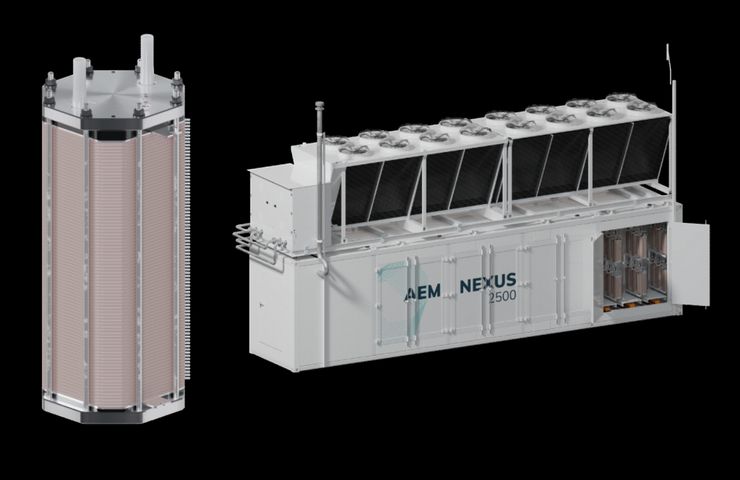
Fuel-cell stacks operate by converting hydrogen into electricity via an electrochemical process, leaving behind nothing but water vapor. They offer long range and fast refueling, but depend on expanded hydrogen infrastructure. Cummins also displayed electrolyzer modules that are said to produce green hydrogen through electrolysis, suggesting a pathway toward an integrated supply chain from production to storage and power delivery.
European battery manufacturing
Beyond products, Cummins announced plans to increase battery manufacturing in Europe, centering on a new Advanced LFP facility in Spain. The aim is to bolster local supply chains, shorten shipping distances and improve after-sales support. Specifics—investment amounts, production capacity and the date when production will kick off—were left vague, but the move mirrors a broader industry shift toward localized manufacturing as electric commercial-vehicle sales grow.
Regulatory and market context
Regulation is tightening across Europe for heavy-duty vehicles. The 2025 EU standards will set CO₂ reduction goals, while new Euro 7 standards primarily apply from 2028 for new types and 2029 for all new vehicles. Several non-tailpipe provisions have staggered applicability beyond those dates. Industry reports show hundreds of battery-electric and fuel-cell vehicles were registered in the first half of this year, yet public charging and hydrogen refueling networks remain limited. For long-haul work, charging stops can lengthen journey times, and hydrogen stations are still scarce. Against that backdrop, Cummins’ multi-pronged strategy reflects the immediate need for fleets to decarbonize with the technologies that best match specific routes and regulatory regimes.
Balancing ambition and pragmatism
The IAA Transportation showcase framed decarbonization as a spectrum rather than a binary choice. Battery-electric and fuel-cell vehicles can deliver true zero tailpipe emissions, but their lifecycle impacts depend on how electricity and hydrogen are produced. Lower-carbon alternatives—natural gas, improved diesel and hybrid systems—offer incremental gains without waiting for full infrastructure rollouts.
Each option carries trade-offs. Green hydrogen via electrolyzers can approach near-zero emissions but relies on renewable power; LFP batteries avoid cobalt and nickel but require a robust charging network; gas and diesel engines continue to emit from combustion. Fleets must weigh total cost of ownership, duty cycles and local energy supply when deciding which path to take.
Presenting this broad lineup also reflected Cummins’ industrial experience and risk management. The company has deep roots in supply chains and after-sales service. By branching into fuel cell technology and battery systems, Cummins is leaning on its global footprint and engineering capabilities to support multiple decarbonization routes.
Ultimately, Cummins and Accelera used the IAA Transportation exhibit as a strategic statement: decarbonizing commercial transport is a complex puzzle that cannot be solved with a single component. Their message invited fleets, OEMs and policymakers to work together to build the infrastructure and markets necessary for a future where zero emissions become the norm, while transitional combustion technologies continue to play a role until a fully green ecosystem is in place.