HyTerra’s Nemaha Project Confirms 96% Natural Hydrogen and Scales Up with Fortescue Backing
HyTerra’s Nemaha Project in Kansas confirmed natural hydrogen concentrations up to 96.1% at Sue Duroche-3 and expanded its drilling campaign to six wells after a A$21.9 million Fortescue investment to test commercial deliverability.
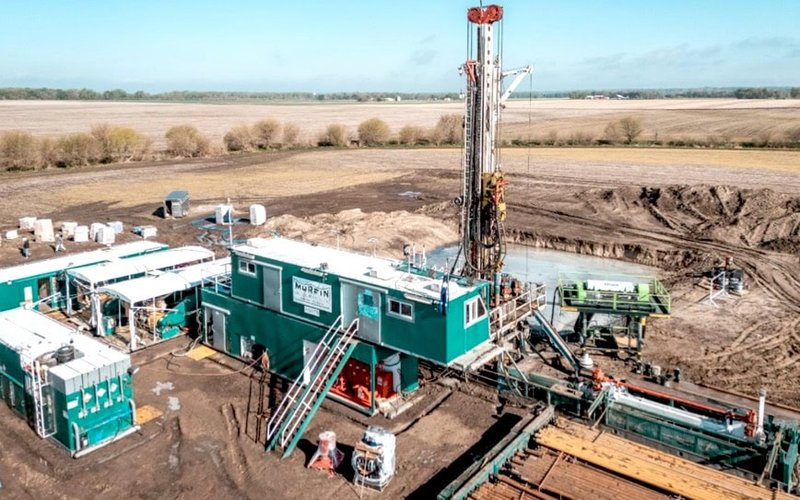
Right in the middle of Kansas, on the famed Nemaha Ridge, an Australian company called HyTerra Ltd is taking an exciting leap into hydrogen production. Instead of going down the usual route of making hydrogen through processes like electrolysis or steam reforming, they're focusing on something truly unique: tapping into naturally occurring or “white” hydrogen that's nestled within basement rocks. Early tests have shown some impressive results, with hydrogen concentrations hitting a stunning 96.1% in the mud gas collected from the Sue Duroche-3 well. This could mean a natural system that skips over the energy-heavy steps traditionally needed for sustainable hydrogen production.
Ultra-High Concentrations in Mud Gas
During their first drilling campaign, HyTerra kicked things off by launching the Sue Duroche-3 well, digging deep through various layers of sediment down to Precambrian basement rock. While drilling, they utilized a mud gas logging unit to capture formation gas from the drilling mud, and what they found was pretty remarkable: strong hydrogen signs that had them really excited. They even sent these samples off for third-party analysis, which confirmed those hydrogen levels at an impressive 96.1%. These findings not only back up earlier data from a historical well drilled back in 2009 that showed around 92% hydrogen but also suggest that natural hydrogen can gather in specific pockets at purities that rival, or even exceed, those of manufactured hydrogen. Interestingly, they also detected helium, hinting at a potentially profitable dual-resource system.
What's even more fascinating is that these high concentrations appeared consistently across different depths, from shallow sediment layers to deeper basement sections. This points to pathways where hydrogen accumulates, confirming HyTerra’s theory that geochemical processes, like reactions between water and rocks, allow hydrogen to migrate upward until it gets trapped. The validation from independent experts places the Nemaha region among the most promising natural hydrogen sources out there, making it a hotspot for global exploration.
Strategic Alliance Fuels Program Expansion
Fast forward to late 2024, and Fortescue Future Industries Technologies Pty Ltd decided to invest a significant A$21.9 million in HyTerra, acquiring 644 million shares and 322 million options to secure about 39.8% equity pending shareholder approval. This cash infusion is paving the way for an ambitious expansion of their initial drilling plans, which originally included only Sue Duroche-3 and Blythe 13-20. Now, they’re ramping things up to a six-well campaign. HyTerra’s footprint along the Nemaha Ridge has expanded from 52,000 acres to around 72,500 acres, thanks to ongoing leasing efforts that target extra structural and stratigraphic play areas. A steering committee that represents both HyTerra’s technical team and Fortescue’s engineers oversees the project, ensuring that their combined expertise drives it forward.
Beyond just funding drilling and geophysical analysis right at Nemaha, this partnership also establishes a framework to explore geological hydrogen opportunities in regions like Oman. This signals big ambitions to replicate their white hydrogen model worldwide.
Regulatory Pathway and Local Impact
While natural hydrogen is still a relatively new kid on the block, the Nemaha Project is operating under familiar oil and gas regulations thanks to the Kansas Corporation Commission. They’ve already granted permits for a few wells, including the upcoming Larson 1-14, which is all set to be drilled later this year. This approval shows that hydrogen and helium wells can fit within existing rules; however, it might be time for the Commission to fine-tune some guidelines to keep pace with the specifics of hydrogen gas composition, well integrity, and environmental protections. On the local front, the rural communities along the ridge are buzzing with activity—think casing and cementing crews, seismic contractors, and labs getting involved—creating fresh opportunities for local service providers.
Advanced Exploration and Analysis
HyTerra’s geological team has been getting crafty, reworking old seismic data initially gathered for oil and gas to hone in on faulted basement blocks and sedimentary closures that could hold hydrogen. Their structural mapping identifies paths where hydrogen generated deep underground might rise along faults before gathering in porous sandstones sealed by shale. When they pinpoint potential targets, they adapt conventional drilling rigs, modifying them with special mud gas logging modules. These advanced units continuously pull a side stream of returning mud through a gas trap and chromatograph for near-real-time readings on hydrogen, helium, methane, and other gases.
If they spot mud gas anomalies that surpass set threshold values, crews grab discrete sample bags for further analysis. Third-party labs use methods like gas chromatography and mass spectrometry to confirm the concentrations, ensuring the readings are spot-on. In the Nemaha program, this step-by-step process uncovered repeated spikes in hydrogen above 90% across various wells. From there, promising intervals are cased and cemented, with pressure gauges installed for future production tests. This meticulous approach—merging seismic interpretation, surface logging, sample validation, and pilot testing—follows best practices from hydrocarbon exploration while paving the way for natural hydrogen exploration.
Economic and Environmental Outlook
Unlike manufactured hydrogen—where methods like water electrolysis or steam methane reforming can drive up both costs and emissions—natural hydrogen is just waiting to be tapped with little need for heavy processing. The bulk of the energy use stems from drilling, casing, and pump-jack actions during those production tests. As long as methane production stays low and any potential leaks are contained, the overall carbon footprint of geologic hydrogen could end up being much lower than what you’d see with grey or blue hydrogen options.
Plus, the presence of helium in Nemaha adds another appealing revenue stream. Helium is highly valued in areas like medical imaging, electronics cooling, and scientific research, which could help offset the costs of drilling and development. With HyTerra’s claims situated close to existing pipelines, railways, and roads that connect Wichita with Kansas City, they could potentially send any future hydrogen and helium volumes directly to local industrial hubs or even liquefy it for export.
Financially, that A$21.9 million investment from Fortescue doesn’t just boost the expanded program—it also shows increasing investor trust in the white hydrogen idea. If trial flows from McCoy-1 and the other wells hit the right pressure and deliverables, HyTerra might just reel in offtake agreements or downstream partners eager to integrate low-carbon hydrogen into things like steelmaking, refining, or energy generation.
Next Steps and Global Potential
A major turning point for the Nemaha operation is set for mid-July 2026 when they’ll conduct a production test at McCoy-1. HyTerra plans to flow two distinct zones separately, measuring gas rates, stability of composition, and pressure drops. If everything checks out, they’ll start designing pilot production facilities that include wellhead equipment, gathering pipelines, and compression units. Meanwhile, the lessons learned from this will guide them on future well placements and mud gas logging protocols.
On a global scale, HyTerra’s recent deal to explore geological hydrogen possibilities in Oman suggests that their white hydrogen model could find a home in other sedimentary basins and mountainous regions. Success in Kansas might just spark a whole new wave of natural hydrogen exploration, changing how the industry approaches hydrogen production methods and energy planning in an era focused on decarbonization.
About HyTerra Ltd
HyTerra Ltd (ASX: HYT) is an Australian exploration company on a mission to discover naturally occurring hydrogen and helium. Through its US subsidiary, HYT Operating LLC, HyTerra boasts over 72,000 acres on Kansas’s Nemaha Ridge, where they’re rolling out a multi-well drilling initiative aimed at assessing natural hydrogen deliverability.
About Fortescue Future Industries Technologies Pty Ltd
Fortescue Future Industries Technologies Pty Ltd is the innovation arm of Fortescue Metals Group, dedicated to clean energy and emerging hydrogen solutions. FFI Tech is there to provide both funding and technical support to accelerate cutting-edge projects like HyTerra’s explorations into white hydrogen.