Hydrogen Production and Ammonia Engines: Everllence Launches HydroMonia R&D Project
Everllence launches HydroMonia to adapt engines for hydrogen and ammonia, aiming for carbon-free power plants.
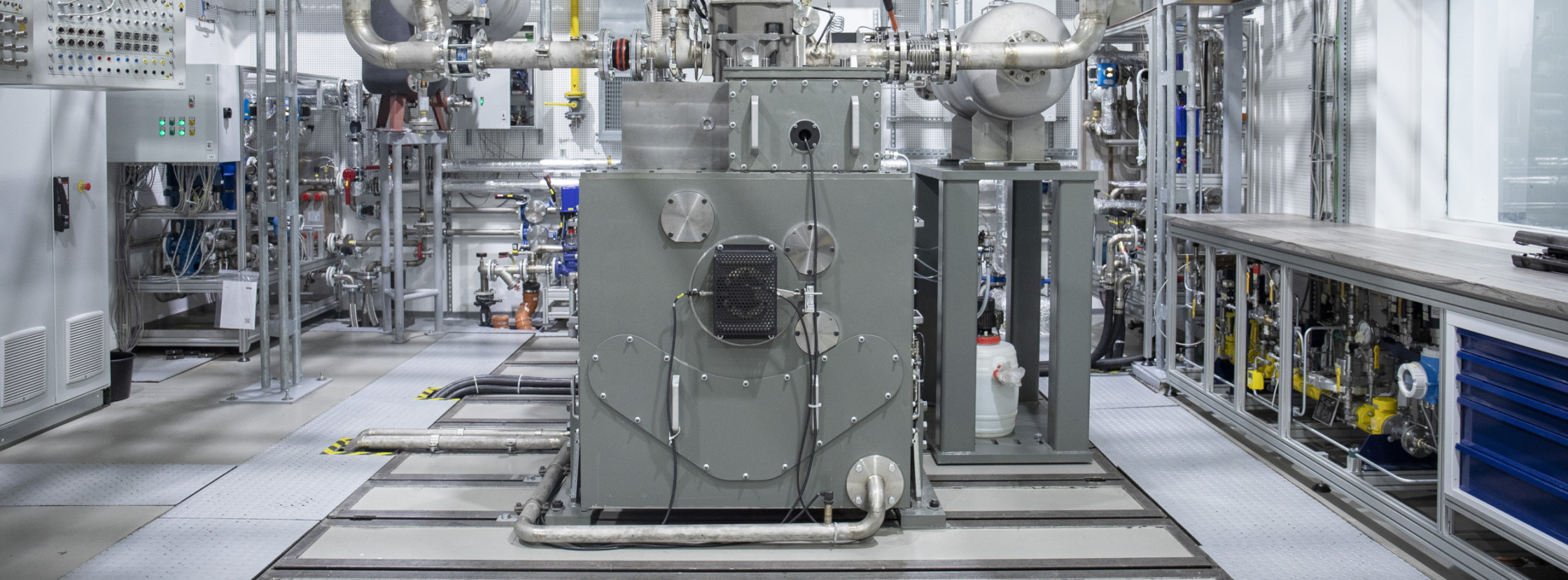
Could hydrogen and ammonia be the key to powering the next generation of back-up energy plants? Well, the German engineering giant Everllence thinks so. They've kicked off a research initiative called HydroMonia, aiming to adapt traditional engines for a cleaner, low-carbon way to generate power. By burning green hydrogen and clean ammonia, their goal is to help balance the grid as renewable sources rise—plus, they're focused on cutting down those pesky lifecycle CO₂ emissions compared to old-school gas and diesel engines.
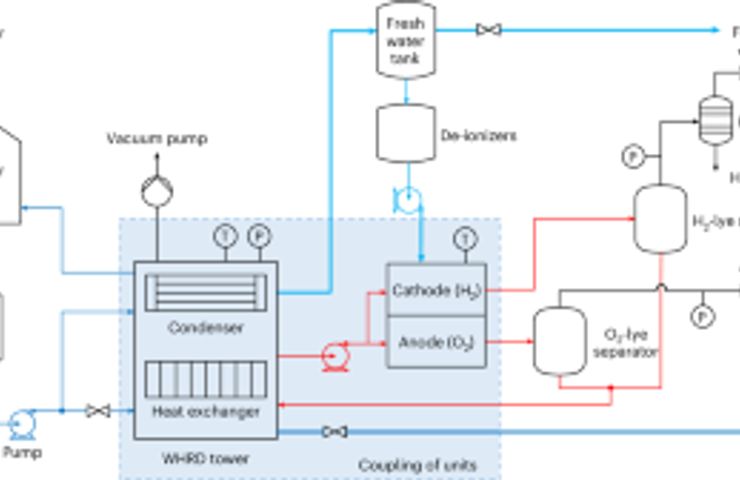
As we shift away from fossil fuels for backup and on-demand energy, we’re tackling a major hurdle in the energy transition: how to decarbonize fast-ramping power generation that can spring into action in seconds. Thankfully, if we harness hydrogen production methods powered by renewables and connect them to grid-scale electrolysis, we can unlock a nearly carbon-free fuel supply. On the flip side, ammonia, which we can create through low-carbon processes using green hydrogen, serves as both a carrier for hydrogen and a compact energy source. This would let us use existing fertilizer logistics for hydrogen storage, easing the pressure to build out brand-new hydrogen infrastructure.
Turning Engines into Hydrogen Powerhouses
So, how does this all work? Hydrogen-fueled power plants are looking to use modified reciprocating or gas engines that can run on pure hydrogen or blends with just a touch of pilot fuel. Engineers are faced with the task of managing hydrogen’s quick flame speeds and its tendency to ignite on its own. They’ll need to fine-tune the injection timing, compression ratios, and combustion chamber shapes. To keep nitrogen-oxide emissions in check—a byproduct of burning at high temperatures—they'll incorporate techniques like lean-burn strategies, exhaust-gas recirculation (EGR), and selective catalytic reduction (SCR) after-treatment. Each plant will even be equipped with digital monitoring tools like CEON and PrimeServ Assist, offering real-time analytics to adjust combustion parameters and keep the engine running smoothly. And if these plants are fueled by green hydrogen, they could achieve zero direct CO₂ emissions right at the generation point!
Unlocking the Power of Ammonia
Now, let’s add another layer to the mix: ammonia-fueled engines. These power plants are a bit trickier because ammonia has a high ignition temperature and isn't super flammable on its own, often needing a pilot fuel like diesel or hydrogen to get things going. Everllence has a plan here, too. They’re working on specialized injection systems that can resist ammonia’s corrosive qualities, alongside smart combustion-chamber designs to encourage a steady burn. Keeping ammonia slip (that’s the unburned NH₃ that escapes) under control and minimizing NOx emissions are key challenges they’re tackling. The vision includes SCR catalysts that can utilize leftover ammonia as a reducing agent and always keeping an eye on emissions. By utilizing existing ammonia pipelines and storage facilities, these plants could help propel clean ammonia trade forward—no need to wait around for new hydrogen infrastructure to grow.
Riding the Green Hydrogen Wave
HydroMonia is rolling out just as the green hydrogen movement is gaining serious momentum. Various European and national hydrogen strategies are pouring funds into developing electrolyzers at solar and wind hubs. Regions rich in renewable energy are ramping up large-scale green hydrogen production, and ammonia synthesis plants are gearing up for export. Engine-based power stations that can use these fuels may just open up fresh markets for green hydrogen production methods, fitting seamlessly into the evolving clean-hydrogen supply chains we’re building.
Integrating with CCS and Heat Pump Solutions
But wait, there’s more! HydroMonia is just one component of Everllence’s broader strategy for decarbonization. They’re already using large-scale heat pumps to warm urban areas, and their carbon capture and storage (CCS) setups aim to safely lock away those leftover emissions. Picture this: in an energy park, electrolyzers, capture units, and engine power plants could operate together, sharing storage tanks and piping. Data from CEON would help optimize where electricity and heat go, while captured CO₂ could either be utilized in industrial processes or stored underground. This approach could pave the way for next-gen sustainable energy complexes!
Both hydrogen and ammonia engines highlight just how important hydrogen storage and infrastructure are going to be for the power systems of the future. As our energy grids evolve, these quick-starting engines running on green fuels will complement batteries and gas turbines, providing essential peak capacity and enhancing grid stability.
For Everllence, which you might remember as MAN Energy Solutions, HydroMonia marks a bold new direction. They’ve made it clear that sustainable technologies are going to be at the core of their business going forward into 2030. This project even ties in with their work on marine engines, where they’re already testing dual-fuel systems for methanol and ammonia. Insights from HydroMonia’s trials on land are expected to feed directly into ship propulsion designs, speeding up progress toward low-emission maritime solutions.
From an economic perspective, hydrogen and ammonia engine power plants could draw in new investments for manufacturing, retrofitting, and fueling infrastructure. Europe’s funding frameworks that reward carbon-free assets create fertile ground for these technologies. Operators can look forward to retrofittable engine families, digital monitoring tools that minimize downtime, and a solid existing service network under PrimeServ for maintenance and spare parts.
Of course, there are still some questions on the technical front: Everllence hasn’t yet revealed details about their consortium partners, test locations, or specific performance targets. The results from demonstrations will be crucial to back up claims about efficiency, emissions, and ramp-up times. Success in these areas could lead to repowering old assets and support hydrogen project financing, especially across industrial decarbonization efforts.
As hydrogen and ammonia continue to grab attention—and policy support—HydroMonia might just be the link between groundbreaking fuel concepts and practical power solutions. For grids that are in dire need of dependable, low-carbon capacity, finding a way to adapt our century-old engines to run on green hydrogen and ammonia could be as revolutionary as any battery breakthrough. In this light, HydroMonia stands as a timely experiment, bridging tried-and-true engine technology with the exciting future of clean-fuel ecosystems.