Hydrogen Pressure Sensors Market Set to Surge with 8.5% CAGR as Global H2 Infrastructure Expands
TE Connectivity, WIKA, and Honeywell lead a booming hydrogen pressure sensor market growing at 8.5% CAGR amid hydrogen infrastructure expansion worldwide.
Global Demand for Hydrogen Infrastructure Fuels Sensor Market Surge
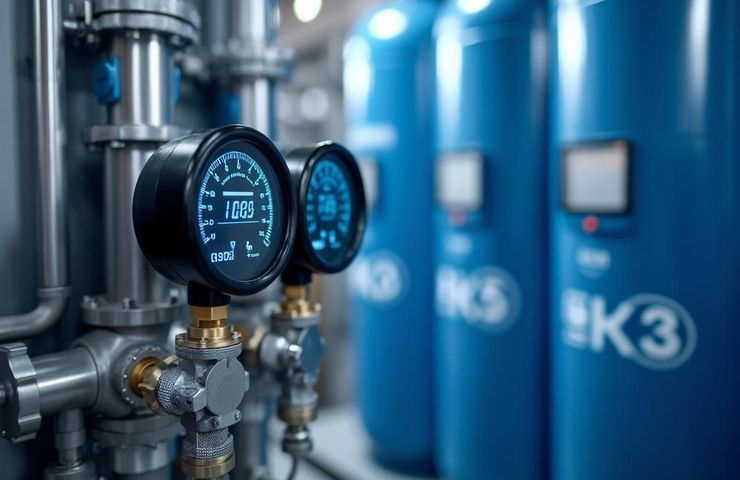
The world’s getting serious about sustainable energy, and it's showing—especially in the booming market for hydrogen pressure sensors. With hydrogen quickly becoming a major player in transportation, industrial decarbonization, and clean power generation, safety and reliability are non-negotiable. That’s where advanced pressure monitoring tech comes in. Industry experts see this market growing fast, with a projected compound annual growth rate (CAGR) of 8.5% between 2025 and 2032. And honestly, it’s just getting started.
Strategic Market Impact: Safety Tech Behind the Green Hydrogen Surge
What’s driving this surge? Simple: a global ramp-up in hydrogen production, transportation, and end-use infrastructure. Whether it’s fuel cell electric vehicles (FCEVs) rolling through Germany and Japan, or massive hydrogen hubs popping up in places like Australia and the Middle East—storage and safety are everything. Pressure sensors are the unsung heroes here, making sure hydrogen is stored properly, systems don’t spring leaks, and everything runs efficiently—even in environments that are, let’s say, less than friendly.
Big industry names like TE Connectivity (Switzerland), WIKA (Germany), Honeywell Analytics (USA), and NAGANO KEIKI (Japan) are leading the charge. Their cutting-edge, hydrogen-compatible sensor tech is being used everywhere—from hydrogen fueling stations in California to rugged testing environments in Korea.
Technical Edge: Materials Matter in Hydrogen Environments
Here’s the thing about hydrogen: it’s slippery—literally. Its small molecular size means it can sneak through tiny cracks and wear down materials over time. That’s why modern sensors are built using corrosion-resistant alloys and advanced sensing elements like piezoelectric or capacitive technologies. Some sensors are even getting smart—integrated with IoT features for remote monitoring, predictive maintenance, and plug-and-play diagnostics. With hydrogen systems spreading across continents, these upgrades are essential.
Global Players and Regional Investment Patterns
- TE Connectivity and Amphenol are strong in auto and industrial hydrogen sensor systems.
- Vaisala and Core Sensors are trusted for tough, experimental, or extreme-use scenarios.
- WIKA leads in the European space, especially across hydrogen corridors and fuel infrastructure.
- NAGANO KEIKI highlights Asia-Pacific’s focus, especially on Japan’s national hydrogen roadmap.
Globally, investment and innovation vary by region. Europe’s setting the bar with tough regulations and sustainability goals. Asia, meanwhile, is charging ahead with large-scale deployments. And in North America, places like California are turning interest into action—backed by federal funding and smart partnerships. The upshot? Across the board, governments and industries are betting big on smarter hydrogen infrastructure, and sensors are a vital piece of that puzzle.
Societal Payoff and Economic Challenges
Pressure sensors might not make headlines, but they’re absolutely critical. When people talk about trusting hydrogen as a fuel, it comes down to avoiding leaks, managing pressure safely, and knowing the tech won’t fail. Get that right, and public adoption follows. But there’s a ripple effect, too—advancements in sensor technology are spilling over into materials science, digital systems, and manufacturing innovation. That’s a win for other high-pressure applications, far beyond hydrogen alone.
Still, the road isn’t totally smooth. Calibration costs remain high, especially for smaller companies trying to enter the space. Plus, without global performance standards or unified communication protocols, interoperability’s a big concern. Getting everyone on the same page is going to take effort—but it’s essential for a fully connected hydrogen infrastructure.
Looking Ahead: Smarter, Smaller, Safer
Looking to the future, miniaturized smart sensors are where the industry's headed. These compact devices will be embedded in everything—from next-gen FCEV drivetrains to hydrogen-powered drones. As hydrogen finds new roles in areas like green ammonia production or mobile fuel cell units, sensors will need to evolve too. Think diagnostics you can run remotely, predictive alerts before something fails, and compact units that can take high-pressure punishment without blinking.
One thing's clear: without dependable, state-of-the-art sensors, the hydrogen economy can’t scale safely. With pressure instrumentation pushing toward the $2 billion mark—and climbing—it’s a good time to be in the sensor business. The playing field is ripe for innovation, and the opportunities? Massive.
About TE Connectivity
TE Connectivity, headquartered in Switzerland, has been in the game since 1941. Today, they’re one of the top players in sensor technologies, especially when it comes to robust, high-pressure solutions for hydrogen fuel systems and industrial use. With decades of experience, they’re helping shape the future of hydrogen safety and performance—one pressure sensor at a time.