Germany and UAE Seal €40 Billion Energy and Clean Hydrogen Infrastructure Deal
Germany and the UAE prepared around forty energy and technology agreements worth about €40 billion during a Berlin state visit, spanning LNG, clean hydrogen, offshore wind, battery storage and AI-driven data centers.
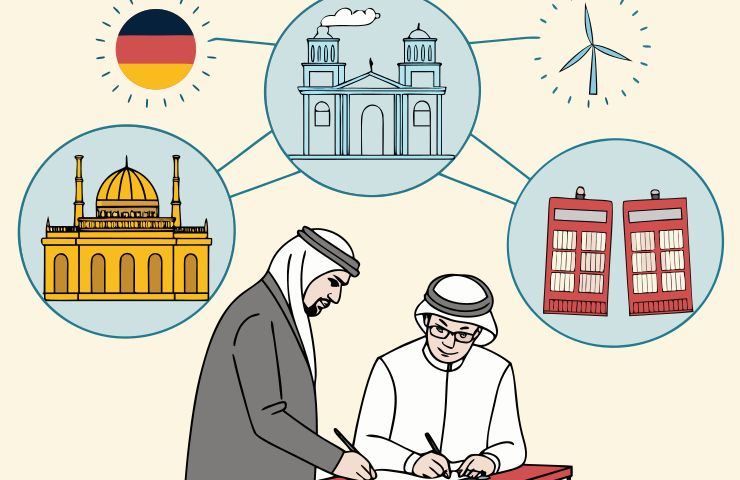
During a recent state visit to Berlin, Sheikh Mohamed bin Zayed Al Nahyan and Germany rolled out around forty energy and technology agreements, supported by an impressive Emirati commitment of about €40 billion. These agreements span various areas, including liquefied natural gas (LNG), renewable electricity, green hydrogen, low-carbon ammonia, battery energy storage, and artificial intelligence. It’s a move that aligns seamlessly with Germany's goal of diversifying and strengthening its energy supplies, while also fitting into the UAE’s strategy to enhance its clean energy investments.
Summary of Agreements
The package includes nearly forty memoranda of understanding, letters of intent, and cooperation frameworks that touch on:
- Long-term LNG sales and purchase agreements
- Development of green hydrogen and low-carbon ammonia value chains
- Collaborations on offshore wind projects
- Large-scale battery energy storage systems
- Investments in AI and data center infrastructure
These corporate deals, which are valued at over €5 billion, feature key players like ADNOC, XRG, Masdar, RWE, and SEFE.
Historical Context
Germany and the UAE have been building their energy relationship for decades. Their diplomatic ties go way back to the early 1970s, but they really took off in 2004 when they established a strategic partnership. Fast forward to 2017, when the Emirati-German Energy Partnership was launched to promote renewables and efficiency. This partnership expanded in 2022 to include climate policy, and we even saw trial shipments of low-carbon ammonia sent to Hamburg last year. With the ADNOC delivering LNG to Germany's Brunsbüttel terminal, this history of collaboration laid a solid foundation for the current agreements.
Hydrogen and Low-Carbon Ammonia Value Chain
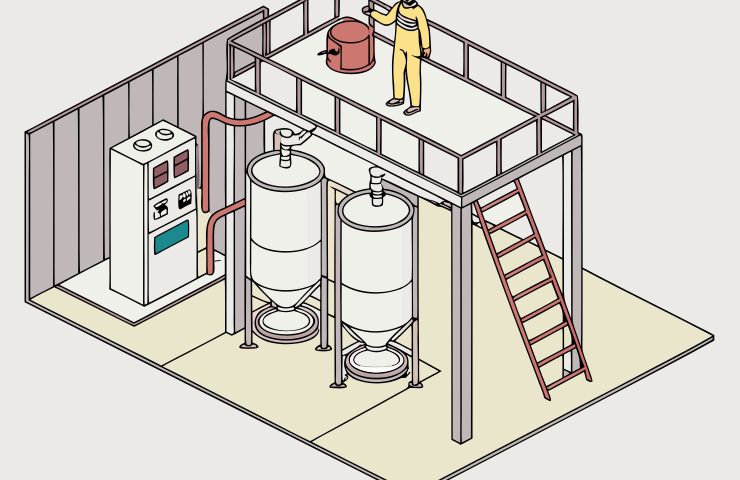
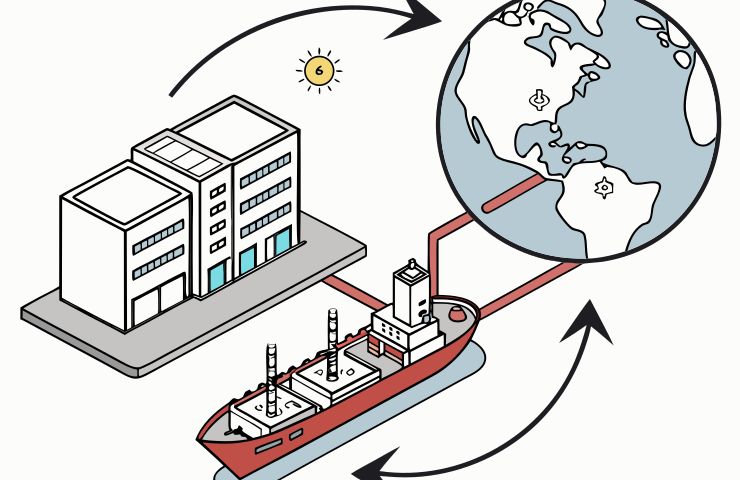
The agreements focus on the production and export capacity of green hydrogen and clean ammonia from the UAE, as well as creating the necessary import infrastructure in Germany. Trial shipments of low-carbon ammonia to Hamburg have already paved the way, using existing chemical tanker fleets. Under this bilateral arrangement, feasibility studies will identify production methods—like electrolysis powered by renewables or natural gas reforming with carbon capture. The idea behind importing ammonia is to convert it back to hydrogen near industrial zones or use it directly in steelmaking and refining processes. These clean hydrogen offtake agreements are pivotal for integrating with Germany's planned hydrogen backbone network, helping to decarbonize heavy industries.
LNG Supply and Security
To cut down on reliance on traditional pipeline gas, ADNOC Gas and its investment arm XRG are moving ahead with letters of intent alongside RWE Supply & Trading for two long-term LNG sales agreements starting in the early 2030s. Similar MoUs with SEFE are exploring options across the LNG value chain, focusing on terminal capacity bookings, storage optimization, and portfolio management. LNG will be sourced primarily from Ruwais, Das Island, and international projects in the US, Mozambique, and Argentina, with deliveries to German regasification terminals like Brunsbüttel. This framework aims to ensure a steady supply of seaborne gas as Germany ramps up its renewables and hydrogen import capacity.
Offshore Wind Collaboration
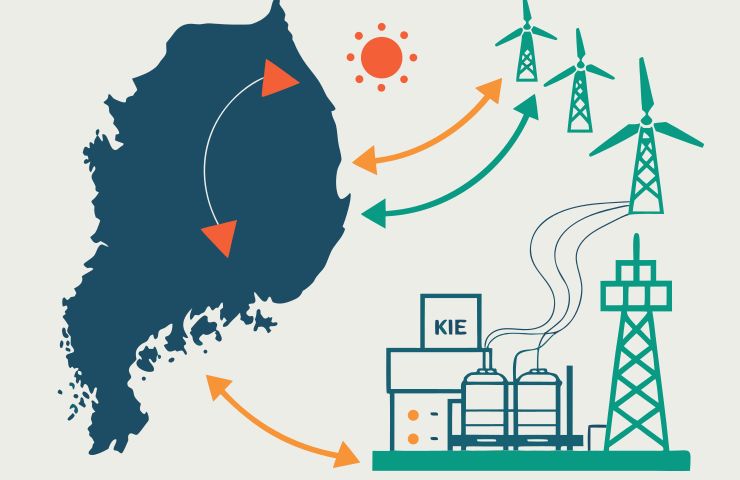
Renewable energy frontrunner Masdar and power producer RWE are teaming up to consider joint bids for Germany's offshore wind auctions slated for 2027. They're eyeing potential investments surpassing €3 billion. Together with partners like Luxcara, they’re also keen to explore over €5 billion in combined offshore wind and energy storage projects. By leveraging German technical expertise and grid access along with Emirati financial backing, this collaboration aims to significantly boost sustainable energy generation, feeding electrolysers for hydrogen production.
Battery Energy Storage Systems
The agreement package also covers significant efforts on large-scale battery energy storage systems (BESS). These installations will likely be co-located with offshore wind farms or near industrial hubs to store surplus renewable energy and provide it during peak demand or low-output periods. By stabilizing the grid and ensuring a steady supply of electricity for electrolysis, these systems will play a crucial role. Joint feasibility studies will delve into grid connections, system sizing, and revenue models based on ancillary services, aligning with hydrogen production and industrial needs.
AI and Data Center Infrastructure
In addition to energy agreements, the UAE plans to invest in about 1 GW of new green data center capacity in Germany. This move ties back to the energy deals, as the data centers will rely on reliable, low-carbon power from LNG, renewables, and hydrogen. Emirati funds are set to co-finance these data center projects, while Germany will facilitate the needed regulatory and grid access conditions. This reflects the intertwining of energy and the digital sector in a forward-thinking industrial strategy.
Strategic Implications
By diversifying its gas and hydrogen imports, Germany aims to strengthen its energy security while also working to decarbonize its industries. On the flip side, the UAE finds long-term demand for its clean energy exports and deepens its connections to Europe. This package signifies a shift from talk to actual supply chains and shared infrastructure. Yet, many of these agreements are still in the MoU stage, pending final investment decisions, regulatory approvals, and detailed engineering. The timelines and scales will hinge on auction outcomes, certification processes, and Germany’s hydrogen backbone rollout speed.
From a regulatory standpoint, Germany may need to adjust its permitting processes, certification standards for green and low-carbon hydrogen, and energy market rules to accommodate these imports. Meanwhile, developers in the UAE must ramp up electrolysis capacity and secure renewable energy sources for their green hydrogen projects, while ensuring transparency in emissions accounting. Economically, the influx of Emirati investment can reinvigorate industrial investment and accelerate Germany’s Energiewende goals, but it also raises questions around foreign ownership of essential assets and the risk of veering away from climate targets if LNG volumes persist beyond mid-century goals.
Looking Ahead
In the immediate future, finalizing investment decisions and hammering out detailed supply agreements will be the focus. Germany’s plans for hydrogen import hubs and upcoming offshore wind auctions in 2027 will be important tests for this partnership's momentum. Additionally, keep an eye on the EU-UAE free trade agreement discussions, which could set the groundwork for smoother market access and tariff reductions for energy and digital services, facilitating joint project deployments. Ultimately, how well this framework works could influence other European countries looking to form similar partnerships with Gulf states for hydrogen and LNG, shaping global clean hydrogen project financing approaches.