Genvia’s Béziers Facility Reaches 2,600-Hour Electrolysis Milestone
Genvia reports its Béziers pilot plant has logged over 2,600 hours of operation for its first-generation high-temperature solid-oxide electrolysis system, marking a key durability milestone (Midi Libre). The SOEL200 platform, with a stated capacity of 200 kg per day, reflects progress in integrating CEA-developed technology into domestic manufacturing amid France’s hydrogen targets and global decarbonization efforts.
Pilot Operation and Durability Validation
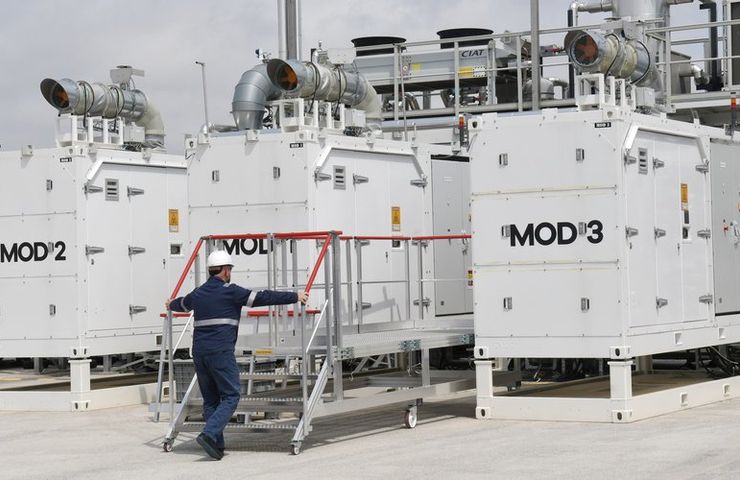
Genvia says its Béziers facility in southern France has surpassed 2,600 hours of operation for its first-generation high-temperature solid-oxide electrolysis system, according to Midi Libre. The company indicates the module began producing hydrogen in mid-September of last year, marking a durability validation phase that extends beyond short-duration laboratory tests. Those milestones are presented in a regional report and, while they have not been independently verified, they are intended to show the system operating under conditions closer to industry practice than a brief laboratory run. The figures illustrate the system’s ability to integrate steam supply, manage high-temperature conditions and maintain gas separation over extended periods—critical factors for industrial hydrogen production. Specific operating details such as current density, thermal cycles and maintenance intervals have not been publicly disclosed, and the actual degradation rate or hydrogen purity remain unconfirmed, according to Midi Libre.
Technology Overview
High-temperature solid-oxide electrolysis uses a ceramic electrolyte to split steam into hydrogen and oxygen at elevated temperatures, according to CEA-Liten. In this process, preheated steam is reduced at the fuel electrode under an applied voltage to produce hydrogen, while oxygen ions migrate through the ceramic membrane and form oxygen at the oxygen electrode. By supplying a portion of the reaction energy as heat rather than electricity, the method may lower overall electrical demand when industrial heat sources are available, according to CEA-Liten. CEA also describes the cells as reversible solid-oxide electrochemical systems capable of operating in fuel-cell mode. Practical implementation requires integrated steam generation, thermal insulation, gas separation, power electronics, controls and safety systems, according to Genvia’s technical description. Peer-reviewed research on solid-oxide cell degradation highlights that electrode, interconnect and seal materials can deteriorate under prolonged high-temperature exposure, affecting long-term performance, according to the Journal of Materials Science and Technology.
Partnerships and Industrialization
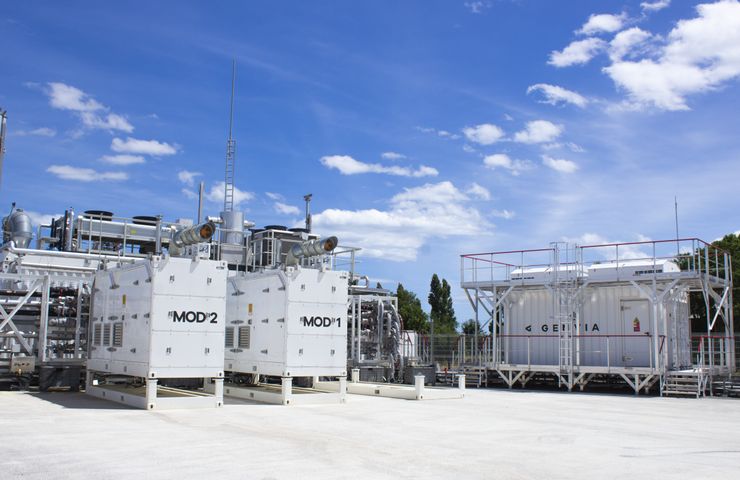
Genvia was created in March 2021 as a public-private venture to industrialize solid-oxide electrolysis, according to CEA. The partnership is led by CEA Investissement and SLB, with minority investment from VINCI Construction, Vicat and the Agence Régionale des Investissements Stratégiques (ARIS) Occitanie, according to company materials. CEA contributes intellectual property, research expertise and technology-transfer capabilities, while SLB provides industrial engineering, manufacturing infrastructure and workforce at its former Cameron site in Béziers. VINCI Construction offers expertise in industrial infrastructure, and Vicat represents potential end-user integration in cement and construction materials applications. ARIS Occitanie supports strategic investment and regional economic development, situating the pilot facility within Occitanie’s hydrogen plan, according to ARIS Occitanie. Genvia is led by Florence Lambert, former director of CEA-Liten, who connects research origins with industrial deployment, according to CEA.
Regional and Policy Context
The Béziers project aligns with Occitanie’s regional hydrogen strategy, which identifies Genvia as a strategic industrial asset, according to ARIS Occitanie. At the national level, France’s updated hydrogen strategy sets targets of 4.5 GW of electrolyser capacity by 2030 and 8 GW by 2035, according to the French government. Those objectives are framed to strengthen domestic manufacturing, secure supply chains and decarbonize heavy industries. Under the EU’s RFNBO rules, renewable hydrogen must meet additionality, temporal and geographic correlation requirements for electricity sourcing, according to the European Commission. On the global stage, the International Energy Agency reported nearly 100 million tonnes of hydrogen demand in 2024, with low-emissions hydrogen accounting for under 1% of production, according to the IEA Global Hydrogen Review 2025 executive summary.
Market Outlook and Next Steps
Although the reported 2,600-hour runtime provides key durability evidence, independent verification of efficiency, degradation rate and hydrogen purity under industrial conditions remains outstanding, according to peer-reviewed studies on SOEC durability. Cost competitiveness will depend on capital expenditure, electricity tariffs, heat integration and maintenance requirements versus established alkaline and PEM electrolysers. Genvia indicates that sustained pilot operation is a precursor to a potential gigafactory investment in France, although no final investment decision or construction timeline has been confirmed. Moving from pilot to commercial scale will require securing customer offtake agreements, presenting audited performance data to financiers and meeting regulatory standards for safety and renewable hydrogen certification. According to Genvia, successful industrial validation may support domestic engineering employment and strengthen France’s electrolyser supply chain.