Hydrogen News: CRRC Unveils 2,000 kW VELFORCE Hydrogen Fuel-Cell Hybrid Locomotive
CRRC has unveiled its 2,000 kW VELFORCE hydrogen fuel-cell hybrid locomotive at InnoTrans in Berlin, pairing a 400 kW dual-stack fuel-cell with traction batteries to deliver zero-tailpipe-emission freight power on non-electrified routes.
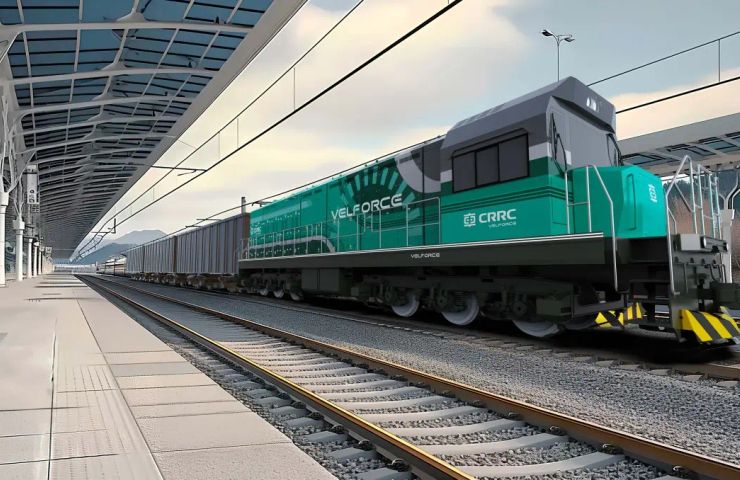
CRRC recently showcased its VELFORCE hydrogen fuel-cell hybrid locomotive at the InnoTrans trade fair in Berlin, which is a significant development in the hydrogen landscape, specifically for freight routes that don’t have any overhead wiring. This impressive six-axle machine packs a powerful punch with its 2,000 kW output, combining a 400 kW parallel dual-stack fuel-cell system with onboard traction batteries. Following its earlier appearance at the China-Eurasia Expo in Urumqi, this reveals the first internationally marketed locomotive under the Xuankun brand. It's happening at a time when there’s increasing enthusiasm around hydrogen vehicles and the infrastructure they require, as operators look for scalable options to replace diesel traction.
Driving Decarbonization on Non-Electrified Routes
Many global freight corridors still lack electrification mainly due to the hefty costs of infrastructure compared to the volume of traffic. CRRC’s new locomotive aims to tackle those real issues faced by industries like mining, ports, and steelworks. The concept is refreshingly straightforward: instead of investing in overhead lines, they’re loading hydrogen on board and converting it into electricity using fuel cells, with water being the only byproduct. The traction batteries also play a vital role, soaking up energy from regenerative braking and providing extra oomph when needed during starts or heavy loads. By steering clear of direct combustion, this locomotive is set to significantly lower carbon dioxide emissions and other pollutants right on-site, aligning perfectly with the latest clean hydrogen news and decarbonization goals for heavy rail operations.
The Idea Is Simple but Powerful: Fuel Cells, Batteries and Storage
If you’re wondering how hydrogen fuel cells work for larger traction applications, the VELFORCE design gives you a pretty clear picture. Hydrogen gets stored in high-pressure tanks—similar to tried-and-true hydrogen storage methods—and is funneled into proton-exchange-membrane fuel-cell stacks. Inside those stacks, hydrogen splits into protons and electrons; the electrons travel through an external circuit to power the traction motors. CRRC mentions that the dual-stack setup delivers about 400 kW of consistent power, while the batteries take care of those power spikes and additional loads. This hybrid design cuts down on thermal stress on the fuel cells, boosts durability, and supports quick energy management, cementing the locomotive’s role in the evolving hydrogen fuel cell news sphere.
Innovation with Intelligent Driving
But it’s not just about zero emissions with the VELFORCE—it also sports an intelligent driving platform that leverages deep learning, 360-degree environmental detection, and multi-sensor integration. It uses cameras, lidar, and radar to continuously monitor for obstacles, track conditions, and its operational state. The embedded algorithms process all this data in real time to enhance traction control, inform braking decisions, and send diagnostic alerts. While full autonomy will need further safety checks, these advanced features are designed to boost reliability, elevate energy efficiency, and lighten the load for operators—making it a notable advance in both hydrogen news and the conversation around hydrogen fuel cell versus battery electric systems.
Made in China, Made for Global Rail’s Future
The VELFORCE platform covers a range between 1,000 to 2,000 kW ratings and supports hydrogen fuel-cell, pure-battery, and diesel-battery-hybrid models, all built on a shared six-axle chassis. Made in China and designed with the future of global rail in mind, this family concept allows operators to customize propulsion based on route length, operational demands, and local energy sources. Leveraging CRRC’s expansive R&D and manufacturing capabilities means that these systems can share components, have standardized maintenance routines, and streamlined spare-parts supply chains. Establishing regional service hubs could take advantage of this modularity, fostering local job creation and advancing the rollout of hydrogen infrastructure.
Industry Context and Outlook
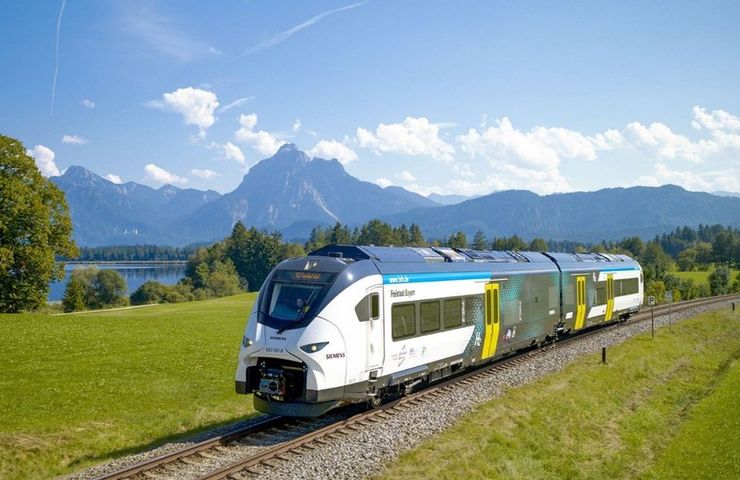
Hydrogen traction is transitioning from niche trials to larger-scale applications. Early successes like Alstom’s Coradia iLint have shown the potential of fuel cells on regional passenger routes, accumulating over 200,000 km in service. With the unveiling of VELFORCE, we're starting to see locomotives designed for heavier duty cycles and longer trips. This launch adds to a growing lineup of hydrogen vehicles presented at InnoTrans, where 113 machines from 17 countries were featured, highlighting a rich pipeline for hydrogen infrastructure and the need for hydrogen refueling stations. As we ramp up green hydrogen production driven by renewable energy and advancements in electrolyzer technology, these hydrogen locomotives could soon be a serious contender against battery-electric options or traditional overhead electrification for certain routes.
Next Steps Toward Commercial Service
Before the VELFORCE locomotive can hit the revenue track, it’s got some hurdles to overcome with the European Union’s rail safety and interoperability standards. This includes checks on hydrogen storage safety, fire protection, braking performance, and software certification. CRRC claims that refueling will take about 15–20 minutes and aims for over 98 percent hydrogen utilization, but we'll need operational trials to see how it performs in different climates and under various workloads. Building partnerships with local maintenance services and hydrogen suppliers will be crucial for creating a viable refueling infrastructure, ensuring fuel reliability, and supporting strategies for financing hydrogen projects.
Environmental and Economic Upside
Shifting freight power from diesel to hydrogen fuel-cell technology can wipe out onsite carbon and particulate emissions, leading to better air quality for communities along industrial transport routes. The full benefits hinge on the production methods of hydrogen—comparing green hydrogen versus blue hydrogen is key, emphasizing the need for low-carbon energy sources for electrolysis. Economically, a modular locomotive family can help drive down total costs over time with standardized training and interchangeable parts. Setting up regional service hubs for assembly and maintenance might also spur job growth, skills development, and robust supply chains for hydrogen refueling stations. All in all, the VELFORCE project clearly shows how technology innovation doesn’t just address environmental concerns; it can also bring about significant local economic advantages while advancing the global shift toward sustainable freight solutions.