Hydrogen News: ATI-Backed H2GEAR Culminates in Intelligent Energy’s IE-FLIGHT Hydrogen Fuel Cell Platform
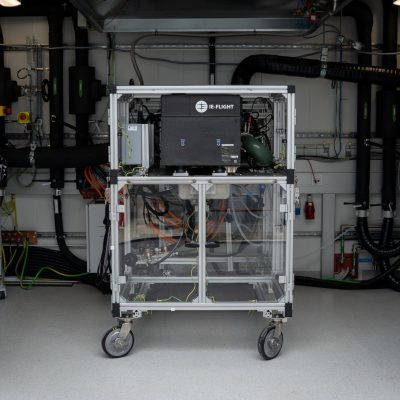
Intelligent Energy has completed the ATI-backed H2GEAR programme and unveiled its IE-FLIGHT hydrogen fuel cell platform, marking a key step toward zero-emission regional aviation powered by green hydrogen.
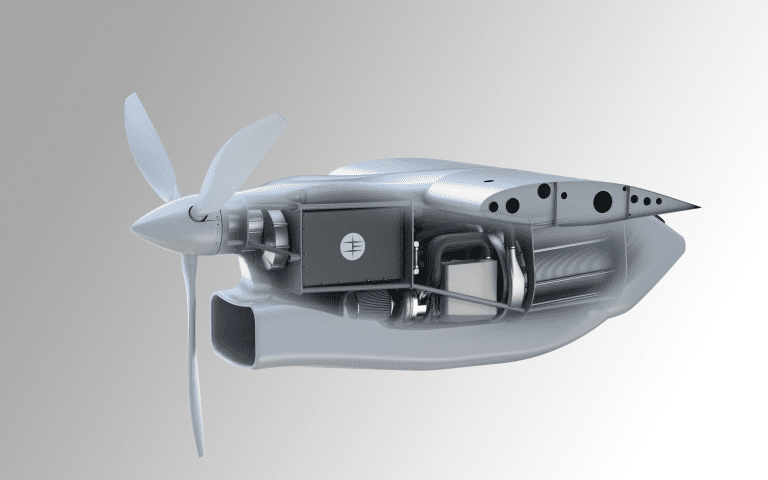
Imagine a future where regional flights soar silently through the skies, powered solely by hydrogen fuel cells. That vision is a step closer to reality thanks to Intelligent Energy, a UK-based company that recently wrapped up its H2GEAR research project on hydrogen-electric propulsion, supported by the Aerospace Technology Institute (ATI). Now, they've launched the IE-FLIGHT platform—basically their debut hydrogen fuel cell system aimed at creating zero-emission regional aircraft. This is a big deal, showing how public funding can boost the practical use of fuel cell technology in aviation, especially as we chase cleaner alternatives.
Bridging R&D and Commercialization
The H2GEAR initiative was all about pulling together every element necessary for hydrogen-electric propulsion. With support from UK government innovation programs and ATI grants, the project tackled everything from hydrogen storage and conditioning to proton exchange membrane stacks, power electronics, and electric motors. Over time, partners in the program worked through challenges like thermal management, weight optimization, and safety monitoring—key pieces for integrating hydrogen fuel cells into aircraft. Now that H2GEAR is complete, Intelligent Energy is taking those insights and packaging them into the IE-FLIGHT. This modular system is designed to provide high power density and is ready for certification, making it a promising step forward in the industry.
Under the Hood of IE-FLIGHT
So, what’s the magic behind IE-FLIGHT? It uses PEM fuel cell technology. In simple terms, hydrogen stored on the plane—whether in compressed gas tanks or as cryogenic liquids—is fed to the fuel cell stack. Inside, protons move across a membrane, while electrons are sent off to power electric motors through an external circuit. And the only thing produced? Just water. In aviation, engineers need to nail down hydrogen storage methods, refine power electronics for precision, and develop solid cooling circuits—all while keeping everything lightweight.
Why Start with Regional Aircraft?
Focusing on short-haul flights makes sense for testing out hydrogen fuel cell propulsion. These regional operations have lower range requirements and more frequent returns to base, which cuts down the need for a complex hydrogen refueling station setup. Plus, many of these sub-regional routes cater to business travelers and communities that rely on small aircraft, so reducing emissions in this sector can make a significant difference. By zeroing in on this niche, Intelligent Energy can fine-tune the IE-FLIGHT system before scaling up, while also encouraging the development of hydrogen infrastructure at airports.
Policy, Partnerships, and the Path Ahead
Of course, all this innovative tech doesn’t happen in a vacuum. Strategic policy frameworks play a crucial role. The UK’s Jet Zero strategy and similar decarbonization efforts have spotlighted hydrogen as a key player in achieving net-zero aviation. Initiatives like H2GEAR help mitigate the steep costs of early-stage R&D and signal strong demand for clean hydrogen. With potential offtake agreements in the mix, this support can attract private investment and promote hydrogen production facilities near airports, ultimately creating a more integrated hydrogen infrastructure for sustainable aviation.
Cross-Sector Ripple Effects
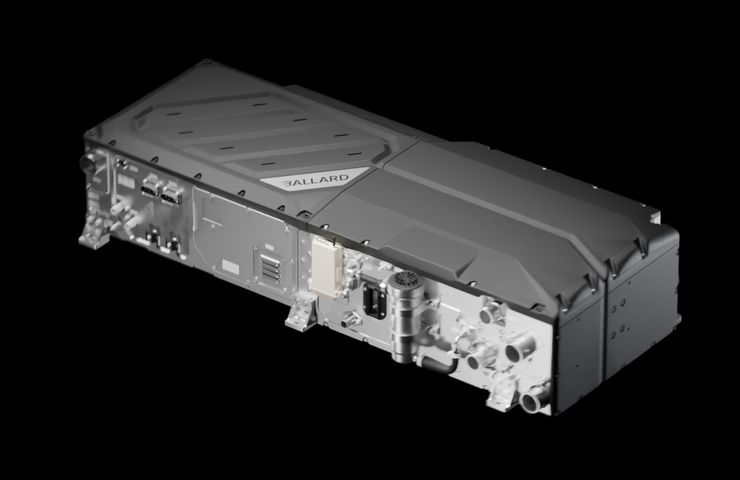
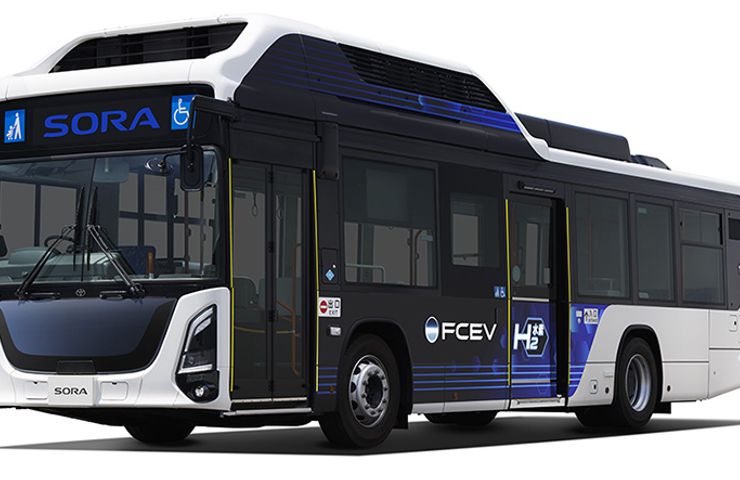
What shakes out in aviation often ripples into other areas of transport. The lessons learned from integrating modular hydrogen fuel cells could influence designs for hydrogen buses and trucks. Innovations in hydrogen storage safety and certification could set benchmarks for maritime or industrial applications. And as airports build out their refueling infrastructure, they’ll become pivotal points in a hydrogen network, potentially serving everything from data centers to telecom backup sites—providing reliable zero-emission power for heavy-duty operations.
From Demonstrator to Service Entry
With IE-FLIGHT now available, the exciting next steps involve flight demonstrations and getting the platform certified. While specific performance details like power output or weight density are still under wraps, the system is designed to work with existing regional airframes and electric motor systems. In practice, fuel cell modules will be installed either in the fuselage or wings, providing continuous power during flight, while batteries will kick in for short bursts like take-offs. This hybrid model helps balance system sizing and opens the door for official approval under emerging hydrogen safety standards.
Balancing Production Pathways
The environmental benefits of hydrogen aviation really hinge on how the fuel is produced. Green hydrogen production through electrolysis powered by renewable sources is the gold standard for cutting emissions, while hydrogen from fossil sources without carbon capture doesn’t hold up as well. As airports set up hydrogen plants and tap into broader supply chains, they'll need to decide on electrolyzer sizes, renewable energy sources, and on-site storage options. These choices will ultimately shape the carbon footprint of every flight powered by IE-FLIGHT.
Voices in the Hangar
For Intelligent Energy, transitioning from UAV modules and stationary backup power to aviation-grade systems represents a crucial strategic shift. With decades of experience developing PEM fuel cells for drones and range extenders, H2GEAR expanded that knowledge into a comprehensive propulsion system. As airlines and airframe manufacturers start evaluating IE-FLIGHT, a new competitive landscape is emerging among those offering hydrogen fuel cells, battery-electric options, or sustainable aviation fuel solutions for regional routes.
Looking Beyond the Runway
So, will hydrogen-electric regional flights become the norm in the next decade? That's a million-dollar question, and it really hinges on timely policy backing, solid hydrogen project financing, and the establishment of hydrogen refueling stations. Airports, energy companies, and tech developers will have to work hand-in-hand on hydrogen storage, distribution logistics, and maintenance training. But with H2GEAR setting the groundwork and IE-FLIGHT gearing up for demonstration, one thing is clear: zero-emission technology for aviation is moving from a mere concept to a tangible reality that could transform the skies and the ecosystems below.