Hydrogen Infrastructure: Swiss Government Passes on Guarantee for Transitgas Pipeline
The Swiss Federal Council declined to provide a financial guarantee for converting part of the Transitgas pipeline into a hydrogen corridor, citing uncertain demand, no market failure and lacking legal basis. Financing now rests with local public owners and private investors.
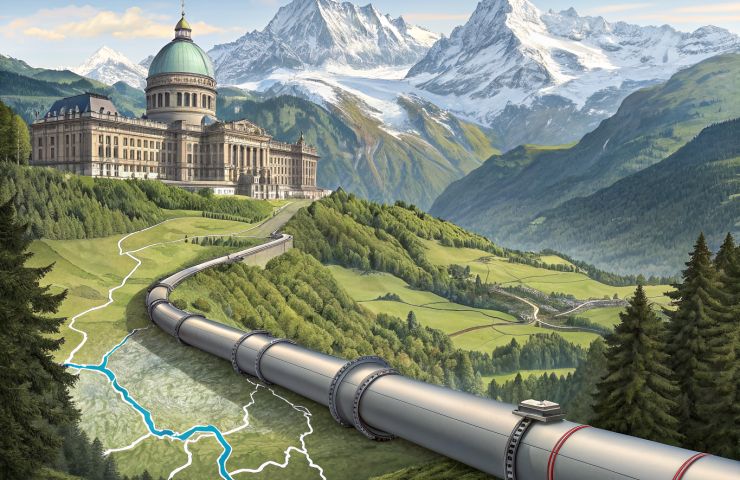
Have you ever taken a moment to picture a high-pressure hydrogen pipeline winding its way through the stunning Swiss Alps, and what it would mean if the state didn’t step in to guarantee it? Well, that scenario has shifted from just a thought to reality this month. The Swiss Federal Council decided not to back the conversion of the Transitgas AG corridor into a hydrogen link. This decision shows a marked faith in market solutions, the existing Swiss legal framework, and a careful, step-by-step plan towards a hydrogen economy.
At the core of Switzerland’s careful energy transition is its national hydrogen strategy, which was rolled out last year. This plan points to a modest domestic demand for hydrogen up until the mid-2030s, emphasizes electrification, and highlights the importance of imported hydrogen chilling out on routes like the Alpine Hydrogen Corridor as a crucial long-term supply source. But, making a strategy is one thing; getting it to back such plans with actual financial commitments is another story altogether.
Rethinking State Guarantees
When the Federal Council looked into whether to provide any public guarantees for converting parts of the Transitgas natural gas pipeline, three big factors came into play. First off, they didn’t see a clear “overriding public interest” in supporting the project at this stage. Demand forecasts are still a bit shaky, and reliable analyses of Switzerland’s hydrogen needs for the near future are still in the works. Secondly, it didn’t look like there was any major market failure: private investors and the pipeline’s co-owners—including municipalities, cities, and cantons—hadn’t really struggled to snag financing in the current setup. Lastly, existing federal laws just don’t allow for such guarantees when it comes to this kind of infrastructure, which means that if they wanted to shift financial risks onto taxpayers, new legislation would be necessary.
These considerations coincide with a study commissioned by the Swiss Federal Office of Energy (SFOE) that was put together by the consultancy Swiss Economics. Their research compared various de-risking strategies in neighboring EU countries and examined the pros and cons of guarantees, tariffs, contracts for difference, and EU funding options. The conclusion? A federal guarantee could be beneficial, but it’s just one piece of a much larger financial puzzle—and not justified for Transitgas just yet.
A Corridor without a Safety Net
For those pushing the project forward—particularly the Belgian gas operator Fluxys, which is all in on the Alpine Hydrogen Corridor and Alpine HyWay initiatives—this decision reshapes the funding game. These projects have gained EU recognition as Projects of Common Interest, which unlocks some grants and favorable loans under the Connecting Europe Facility. But Swiss domestic backing was viewed as the crucial missing piece to attract private capital and keep the planned north-south route firmly within Swiss borders.
On the flip side, the Swiss Gas Industry Association (VSG) had been vocal about urging the federal guarantee, fearing it would push hydrogen pipelines to bypass Switzerland entirely. Their point? If the state doesn’t support the initiative, rising financing costs might nudge project developers towards alternative paths through Italy, Germany, or France—potentially sidelining Switzerland from the emerging hydrogen backbone. By tossing the guarantee discussion back to local municipalities and private investors, the Council is essentially asking them to shoulder the early risk in hopes of a more favorable policy down the line.
But a policy adjustment could very well be in the cards. The Council’s statement emphasizes its commitment to keeping “the option of connecting to the European hydrogen network” very much alive. Once demand projections solidify, and if private partners prove certain segments aren’t commercially viable alone, the door could swing open for targeted federal backing or even new legislation for guarantees.
What’s Next for Switzerland’s Hydrogen Link
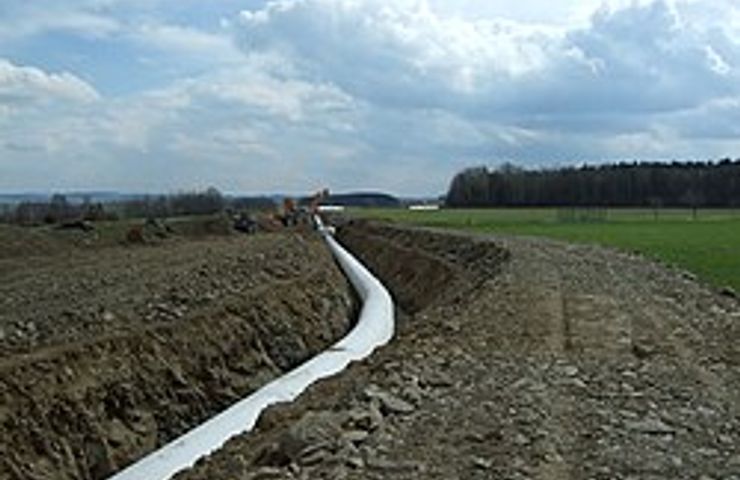
So, what’s the status of converting part of Transitgas? On a technical level, retrofitting a natural gas pipeline for hydrogen involves detailed inspections, reinforcements to manage embrittlement risks, compressor station upgrades, and new safety protocols. Regulatory groundwork has made headway: since mid-2023, any pipeline over a certain size that operates at high pressure is under federal jurisdiction, and hydrogen-specific safety standards are on the way. However, without clarity on who will carry the project risk, progress might hit a snag.
Switzerland is now leaning on a practical, market-driven philosophy: those who benefit should foot the bill. Municipalities, cantons, and Transitgas shareholders will have to figure out financing—likely mixing EU grants, private investment, and creative tariff strategies. Successful partnerships could set a blueprint for other corridors, proving that a solid hydrogen infrastructure doesn’t have to rely on government guarantees to thrive.
For hydrogen producers and industrial offtakers watching from the sidelines, the message is multifaceted. On one hand, Switzerland’s position as an energy transit hub and its regulatory engagement suggest ongoing backing for developing hydrogen networks. On the other hand, early adopters need to navigate a landscape where public support is still in limbo. It’s a tricky balancing act that reflects the larger clean hydrogen sector: an exciting technology coupled with strategic opportunities, all tempered by the realities of budgets, regulations, and ever-evolving markets.
As national strategies develop and EU funding opportunities become clearer, we might soon see a new wave of guarantee requests—this time backed by concrete demand research and honed policy mechanisms. Until that happens, Switzerland’s hydrogen dream will move forward, one pipeline at a time, driven by fiscal responsibility and a faith that market players can shine a light on the path ahead.