Liquid-Hydrogen Drone Demonstration Takes Off at Rotterdam The Hague Airport
A joint demonstration by Royal NLR, Rotterdam The Hague Airport and TULIPS flew the HYDRA-II liquid-hydrogen drone at a live airport, validating hydrogen supply, storage and safe handling in real-world operations.
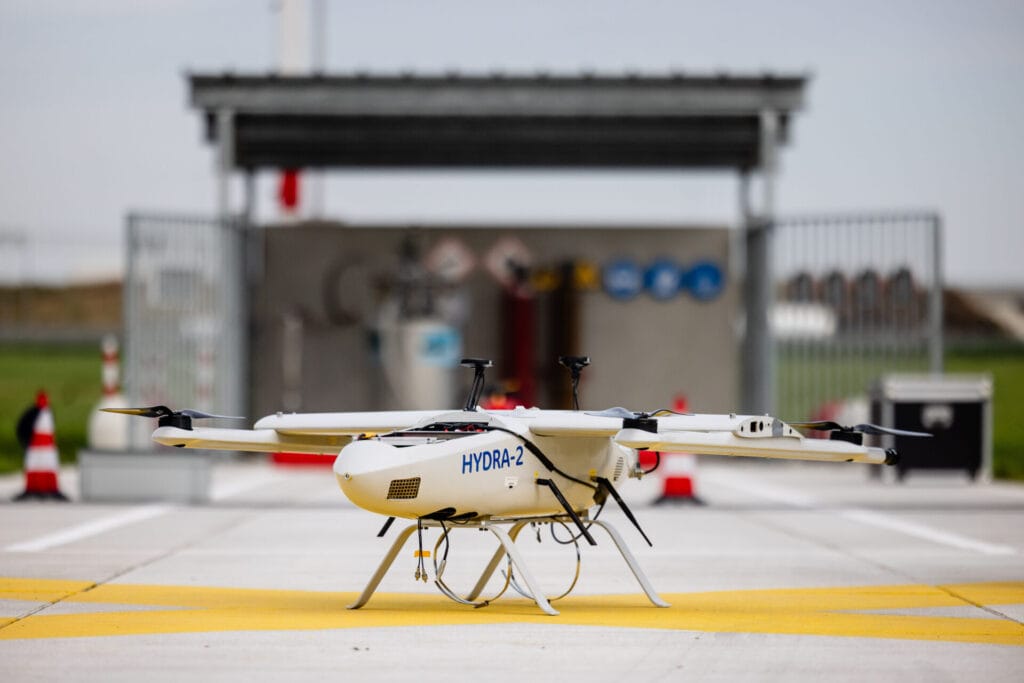
The Royal Netherlands Aerospace Centre has successfully flown its HYDRA-II liquid-hydrogen drone at Rotterdam The Hague Airport in South Holland. This impressive feat brings a full hydrogen supply chain to life right at an operational commercial airport.
Partnership Overview: A Collaboration Driving Clean Hydrogen Innovation
This exciting project is a joint effort involving the Royal Netherlands Aerospace Centre, Rotterdam The Hague Airport, and the European TULIPS – Green Airports programme. Together, they’re making strides in line with the EU’s commitment to sustainable aviation. With a blend of research talent, airport know-how, and a focus on green airport frameworks, they aim to streamline hydrogen delivery, storage, and fueling right on-site. It’s a pretty cool concept: testing a hydrogen-powered drone in real airport settings to work out every detail—from when the cryogenic tankers arrive to how everything operates safely on the ground.
How the Technology Works
The HYDRA-II drone operates using liquid hydrogen that’s cooled to a bone-chilling −253 °C and stored in specially insulated tanks right on the apron. The process involves carefully warming the hydrogen before it gets sent to a fuel cell, which then generates electricity to power the drone’s electric motors. To give it a little extra boost during takeoff and maneuvers, it also has a battery pack on board. And the best part? This hydrogen fuel cell propulsion system produces only water vapor, making it a completely zero-emissions solution that fits right into existing airport operations without any nasty combustion byproducts.
Solving Real-World Problems on the Tarmac
Putting liquid hydrogen to the test in an active airport helps tackle real challenges related to fuel handling, safety, and logistics. Technicians have been busy practicing leak detection, spill management, and transfer procedures in the hustle and bustle of the apron. Thanks to South Holland's strong background in aerospace and logistics, they’re making the most of this rich expertise. By running the HYDRA-II alongside ground vehicles and passenger flights, the team is figuring out how to safely integrate hydrogen into fuel-delivery schedules and existing airport regulations, all while keeping everything running smoothly.
Practical Applications and Beyond
While the HYDRA-II is an unmanned vertical takeoff and landing platform, it’s paving the way for future crewed aircraft and larger cargo missions. The insights gained from this project can be applied to establishing hydrogen refueling stations, setting up cryogenic storage facilities, and developing remote fueling vehicles. This demonstration is addressing real-world challenges in areas like regional air mobility, drone logistics, and remote inspections—where lightweight, zero-emissions flight could really shake things up.
Made in South Holland, Made for the Netherlands’s Future
This initiative is rooted in South Holland and designed with the Netherlands's future in mind. By utilizing local resources for manufacturing insulated tanks, creating efficient cryogenic supply chains, and engaging in aerospace research, this project is bringing new jobs to the area in fields such as engineering and airport operations. Local SMEs are stepping up, supplying specialized transfer hoses and safety sensors, while airport teams are gaining valuable hands-on experience with cryogenic fluids—skills that will play a crucial role in rolling out a broader hydrogen infrastructure across the region.
Environmental and Economic Benefits
Using liquid hydrogen for electric propulsion can significantly reduce carbon emissions, especially when that hydrogen comes from renewable sources. Environmentally, this demonstration offers a glimpse into how airports can move towards near-zero carbon operations, aligning with national decarbonization goals. On the economic side, the project builds a strong case for investment in hydrogen storage tanks, insulated piping, and specialized training programs, creating new opportunities in fields like cryogenics support and fuel-cell maintenance.
Regulatory Insights and Next Steps
Working within a live airport setting has provided invaluable data for regulators. Safety authorities can now refine guidelines related to hose connections, spacing, and emergency response protocols. This project is aligning with ongoing efforts to standardize hydrogen aviation procedures and certification pathways, a key step in the journey from drones to manned aircraft.
Market Signaling and Industry Momentum
This demonstration is a strong signal to airlines, fuel suppliers, and equipment manufacturers that hydrogen infrastructure can seamlessly integrate into bustling airports. It reinforces the notion that building hydrogen networks isn’t just something for researchers to ponder—it’s a real opportunity in the market. By showcasing how logistically feasible it is to work with hydrogen, the partners have laid the groundwork for clean hydrogen offtake agreements, project financing, and expanded infrastructure investments.
Overall, this liquid-hydrogen drone demonstration is more than just a tech achievement—it’s proof that we can handle hydrogen safely and efficiently within existing airport operations. It clears the runway for larger hydrogen-powered aircraft while solidifying the Netherlands’s position as a leader in clean hydrogen infrastructure.