Hydrogen Infrastructure Gains Momentum under Germany’s New Building Modernization Law
Germany’s new building modernization law swaps a 65% renewable mandate for gradual bio-fuel and hydrogen blending obligations, creating a regulated market entry for hydrogen infrastructure in heating.
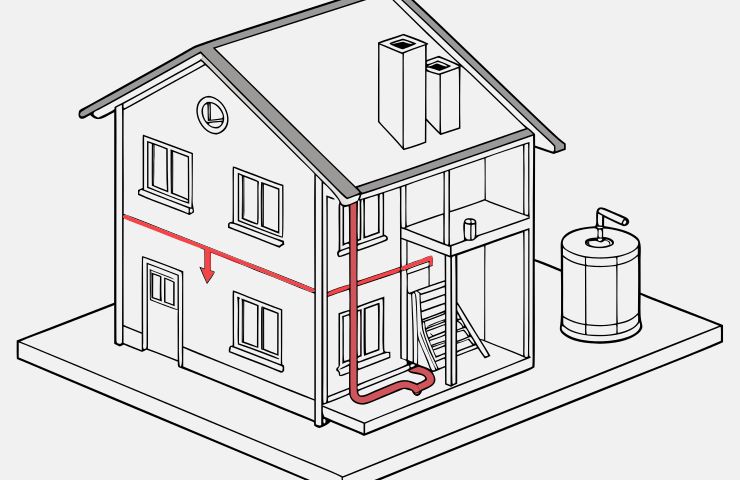
Germany’s Gebäudemodernisierungsgesetz is definitely shaking things up in the world of building heat decarbonization. Say goodbye to the old 65% renewables mandate! Now, we’ve got this twin approach that rolls out a Biotreppe requirement for new boilers and a soon-to-be-introduced Grüngasquote for fuel suppliers. For the hydrogen sector, this is great news, as it lays down a clear legal roadmap for injecting green hydrogen into both residential and commercial heating.
After some heated debates about upfront costs and whether the technology was ready for prime time, parliament just greenlit this new law. Instead of demanding that every new heating system goes electric or renewable right off the bat, the Biotreppe introduces a gradual increase of low-carbon fuel shares over a series of compliance periods. On top of that, gas, oil, and LPG suppliers will have to mix in biomethane, hydrogen, or other climate-friendly fuels, all aimed at achieving a fully zero-carbon fuel mix by the middle of the century.
Key Changes at a Glance
Technical Insights into Hydrogen Blending
So, what’s the deal with blending hydrogen into existing methane pipelines? Well, it involves checking material compatibility, adjusting flame characteristics, and updating safety protocols. You can run modest hydrogen levels through standard steel pipes without much fuss. But if you go for higher concentrations, you might need some dedicated lines. Plus, boilers and burners will have to get recalibrated for the new gas mix, and there’s going to be a strong certification framework to validate blend ratios and fuel origins.
Why This Matters for Hydrogen Production
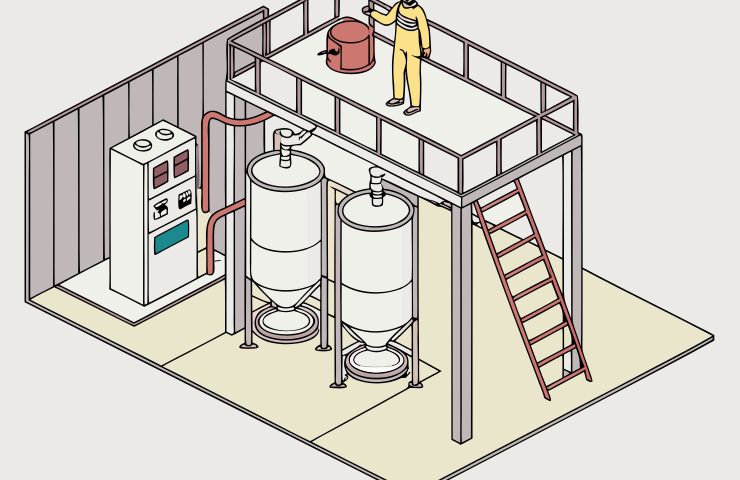
Now, here’s the kicker: By officially listing hydrogen as a qualifying fuel, this law gives green hydrogen producers a solid offtake guarantee. For project developers, this regulated demand signal can make all the difference in securing financing for new electrolyzer hubs and their corresponding hydrogen storage facilities. It’ll also nudge utilities to reassess their supply strategies and invest in blending infrastructure.
Financing the Hydrogen Transition
Those guaranteed quotas could really open the doors for project financing for electrolysis plants. When it comes to banks and investors, they usually want some form of offtake or quota assurances before they get on board with big hydrogen projects. In the meantime, public grants and EU renovation funds meant for building upgrades might get redirected to support retrofits for pipelines and meters, encouraging collaboration between grid operators, energy companies, and up-and-coming hydrogen suppliers.
Hydrogen vs Heat Pumps: A Delicate Balance
Heat pumps are still holding the title for the most efficient way to decarbonize heating, but they require upgrades to the grid and improvements to building structures. On the flip side, blending hydrogen makes use of existing networks and boilers, though it's not quite as efficient overall. Some critics are insisting we should put our focus on direct electrification for significant emissions cuts, saving hydrogen for industrial uses and heavy transportation. However, the GModG is smartly keeping both options on the table within a tech-neutral approach.
Industry and NGO Responses
Environmental groups like WWF and Bellona haven't held back in criticizing the relatively low initial quotas. They warn these might only reduce sector emissions by single-digit percentages, potentially chalking up gas infrastructure as a failure. A coalition of conservation organizations has even called the quota a possible “cost trap,” while researchers at IW Köln are looking at the trade-offs between limited bioresources, cost implications, and actual climate benefits. On the other hand, industry groups are cheering about the law’s flexibility and its move away from mandatory boiler bans.
Coalition Compromise and Politics
The GModG came to be as a political compromise after some pretty intense discussions over the earlier 65% renewables requirement. Lawmakers wanted to keep homeowners' choices intact and maintain affordability, especially in rural areas where district heating and heat-pump adoption can hit practical roadblocks. The result? A mixed strategy that strikes a balance between social acceptance and long-term climate ambitions.
EU Renovation Goals in View
This overhaul of Germany’s laws is also in sync with the EU’s Energy Performance of Buildings Directive, which calls on member states to boost the energy profiles of their buildings. By embedding fuel-content obligations into the law, Berlin is sending a clear message: it plans to hit EU renovation targets without putting all its eggs in the efficiency or electrification baskets.
Looking Ahead
The specific path for the Grüngasquote will be outlined in future regulations that are set to drop in the coming months. This will definitively establish annual steps, compliance metrics, and how we certify everything. Meanwhile, the Bundesministerium für Wirtschaft und Klimaschutz is on the hook for finalizing technical standards, while the Bundesinstitut für Bau-, Stadt- und Raumforschung is busy preparing practical guidance for industries and installers.
Long-Term Implications
If we see hydrogen quotas rise beyond those initial small percentages, we could witness a boom in regional electrolyzer clusters that tap into excess renewable energy and provide grid-balancing services. But if quotas stay low, hydrogen projects might face some serious scaling issues, leading to tricky discussions about dividing up scarce green resources among transport, industry, and buildings.
Germany’s GModG is standing at the crossroads of climate goals and sensible political choices. By weaving hydrogen into building-heat regulations, it opens up exciting avenues for hydrogen infrastructure and green hydrogen production—but we still have to wait and see if this approach will deliver the volume and cost reductions that the industry is banking on.