Hydrogen Infrastructure: First Public Hydrogen Authority Launches RFP to Secure Low-Carbon Fuel
The First Public Hydrogen Authority has rolled out a centralized RFP to lock in low-carbon hydrogen for California’s transit and industrial fleets, aiming to cut costs, boost scale and ensure clean supply.
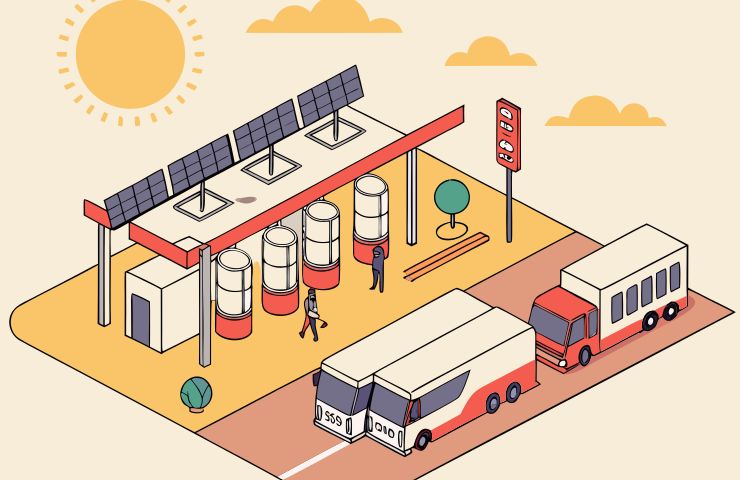
The First Public Hydrogen Authority (FPH₂) kicked off its Request for Proposals, RFP 01-26, all aimed at securing low-carbon hydrogen fuel for a range of public transit and industrial needs. By pooling resources under a special joint powers authority, driven by the Cities of Lancaster and Industry, FPH₂ is banking on the idea that bigger, consistent orders and long-term contracts will finally help overcome the hurdles that have held back hydrogen developments for years.
You could call it a demand cooperation or just a clever strategy—the concept is pretty straightforward. Instead of each public transit agency going it alone and negotiating tiny deals, FPH₂ is taking charge of the procurement for bus fleets, passenger trains, port equipment, and more. Cities from Montebello to Shafter and Fresno are on board, while transit operators like Fresno Area Express and North County Transit District share essential route data and operational needs. Plus, major industrial players, like Fenix Marine Services at the Port of Los Angeles, are in on this too. Even the LA/OC Building & Construction Trades Council is showing its support, highlighting labor's interest in building up hydrogen infrastructure. Lancaster, with its vision for net-zero energy, is teaming up abundant desert solar power with hydrogen hubs to create a truly renewable supply. And Industry is offering its insights from heavy manufacturing. Together, these partners are crafting a framework that aligns policy goals with real market demands.
Aggregated Demand, Clear Market Signal
At its heart, RFP 01-26 tackles a key issue: fragmented demand. When orders are small, they can't support large-scale hydrogen production, leaving producers stuck with less efficient, smaller facilities and higher costs. FPH₂’s approach combines dozens of potential customers into one big proposal, giving suppliers a solid purchase order that encompasses everything from zero-emission buses to heavy-duty trucks and yard tractors. Vendors have until mid-August to respond, laying out their supply logistics, pricing, and delivery commitments.
But it’s not just about the price tag. FPH₂ is weighing three important aspects: environmental integrity, operational reliability, and cost-effectiveness over the long haul. Suppliers are expected to show their credentials for clean production—whether through renewable-powered electrolysis or natural gas reforming with carbon capture—along with safety protocols for storing and dispensing hydrogen under pressure. Proposals that guarantee stable long-term pricing or co-investment in hydrogen refueling stations will likely score points, reflecting the authority’s strategic goal to secure both supply and infrastructure together.
Low-Carbon Hydrogen Production
This call for proposals is really focused on defining what low-carbon hydrogen means. Essentially, it needs to have emissions significantly lower than conventional gray hydrogen. This usually comes from processes like alkaline or proton exchange membrane electrolysis powered by solar or wind, or steam methane reforming paired with at least 90% CO₂ capture and sequestration. Suppliers must also outline plans to trace the origins of their electricity or capture rates to meet FPH₂’s reporting criteria.
The stakes are high: hydrogen’s potential hinges on maintaining its climate integrity. When combined with fuel cell technology in public transit, clean hydrogen can drastically cut greenhouse gas emissions and local air pollutants compared to diesel. But if upstream emissions aren’t kept in check, the overall benefit diminishes. By establishing clear clean production standards in RFP 01-26, FPH₂ aims to filter out high-carbon proposals and speed up investments into genuinely low-carbon methods.
Fuel Cell Propulsion for Heavy-Duty Fleets
California’s commitment to phasing out diesel is a heavy lift. But fuel cell propulsion offers a nearly zero-emission alternative with quick refueling and ranges similar to what conventional vehicles provide. Transit agencies work under tight schedules—buses can refuel in minutes and get back to business, avoiding the long charging waits that could stress battery systems. Rail operators, like North County Transit District, see hydrogen as a game-changer for decarbonizing light and commuter rail systems without needing overhead wires or costly electrification.
Ports and industrial areas face similar challenges. Fenix Marine Services wants yard tractors and cranes running on hydrogen to help reduce NOx and particulate emissions in local neighborhoods. By combining their needs with those of bus fleets, they're creating a more stable demand pool. This helps suppliers manage production and storage more efficiently.
Policy, Partnerships and Procurement Risk
Behind closed doors, FPH₂ has been working closely with the California Air Resources Board (CARB) and the Governor’s Office of Business & Economic Development (GO-Biz) to ensure the RFP aligns with state regulations and incentive programs. CARB’s involvement ensures that low-carbon criteria sync up with zero-emission fleet mandates, while GO-Biz helps to unlock economic development opportunities—potentially opening doors to grants or co-funding for building stations under existing workforce agreements. CARB’s Heavy-Duty Incentive Program could also align with awarded contracts, making it cheaper for agencies to acquire vehicles.
This collaborative approach reduces the procurement risk for public agencies but adds complexity for bidders. Those clean energy developers will have to take on safety regulations, labor standards, and terms laid out by FPH₂’s neutral oversight. Yet the rewards are substantial: contracts awarded under this framework come with financial backing from multiple public entities, creating steady revenue streams that can support larger and more efficient production facilities and refueling stations.
The Maverick Take
Let’s be honest: we’ve seen our share of hydrogen pilots over the years. So, what makes this one stand out? It’s the scale, the legitimacy, and the strategy behind it. FPH₂ is working essentially as a cooperative focused solely on renewable hydrogen. They’re bringing together public transit, industrial demands, and municipal needs into a single approach, compelling suppliers to either get on board or get left behind.
That said, a healthy dose of skepticism is important. Will these larger contracts stifle innovation from newer startups? Could long-term deals with established players limit competition in the market? If producers can’t come to terms with these requirements, FPH₂ might face some pushback or delays; regulators may need to step in with incentives or mandates. And let’s not forget about pricing: push too hard for lower costs, and you risk undermining the production capacity you’re trying to build.
Looking Ahead
If FPH₂ manages to secure solid, long-term contracts this time around, we can expect a wave of announcements: new electrolyzer plants powered by Mojave solar, pipelines revamped for hydrogen, and quick station rollouts along major routes. Investors and clean-tech enthusiasts will be watching closely to see how contract awards play out, as they'll serve as a crucial indicator of hydrogen’s viability in heavy transport markets, setting standards for other regions to follow.
One thing's clear: California is turning a new page in its hydrogen story. Whether RFP 01-26 will be remembered as a significant step forward or yet another bureaucratic footnote will depend on how the parties involved follow through—and whether producers can prove they can provide both the quantity and the carbon reductions that FPH₂ is looking for.