Calix and Perdaman partner on supply solution for ZESTY Green Iron Demo in Kwinana
Calix Limited has engaged Perdaman Group to engineer the hydrogen supply solution for its ZESTY Green Iron Demonstration Project in Kwinana, designing a value chain to support a 30,000 t/y H-DRI plant and inform a Final Investment Decision.
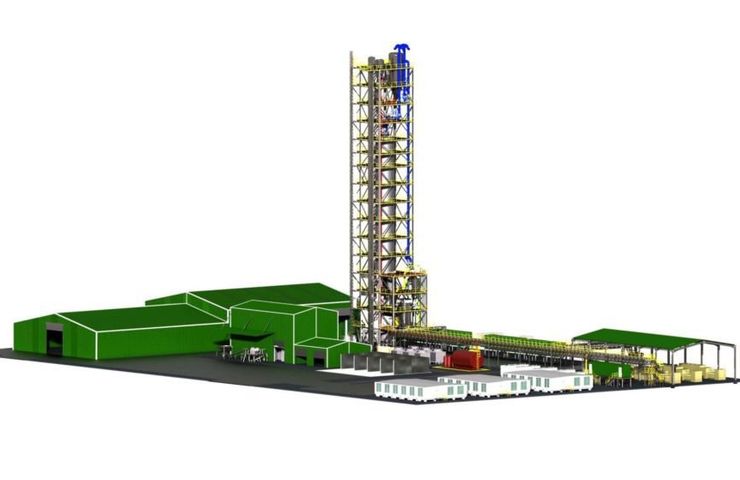
Calix Limited has tapped Perdaman Group to work on the hydrogen supply solution for its ZESTY Green Iron Demonstration Project, which is taking shape in Kwinana, Western Australia. They signed a non-binding Heads of Agreement on August 26, 2026, allowing Perdaman a 12-month exclusivity period to hammer out the technical design, infrastructure needs, and cost estimates essential for moving forward with a Final Investment Decision (FID). This is a crucial move to address the dependency on hydrogen infrastructure before they kick off construction and commissioning.
Project Scope and Technology
The proposed demo plant aims for a nameplate capacity of up to 30,000 tonnes a year of hydrogen direct reduced iron (H-DRI) or hot briquetted iron (HBI). What’s cool about Calix’s proprietary ZESTY Zero Emissions Steel Technology is it blends high-temperature electric heating with hydrogen reduction chemistry. Basically, hydrogen is stepping in for coal or natural gas as the chemical reductant, which means it reacts with iron oxide to give us metallic iron and water vapor. With electric power, ideally sourced from renewables, providing the heat needed to keep those reduction temperatures up, it's a win-win. A major goal here is to process lower-grade iron-ore fines without relying on traditional pelletisation, which could broaden the feedstock options and possibly cut down on preparation costs.
Perdaman’s Engineering Role
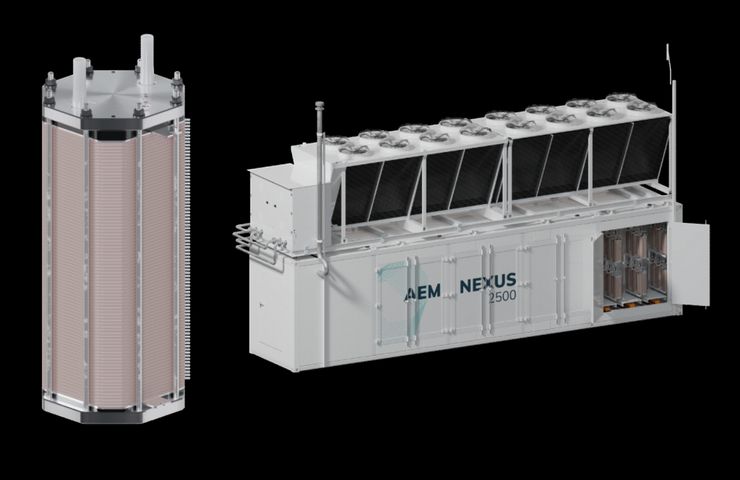
As part of this agreement, Perdaman Group will dive deep into a comprehensive engineering study that covers the entire hydrogen value chain. This study will look into everything from electrolyser sizing for producing green hydrogen to integrating renewable power, treating water, compressing and storing hydrogen, designing pipelines, safety systems, and planning for long-term operations. They’ll be defining hydrogen volume, purity, delivery profile, and pricing too. While this partnership secures Perdaman as the exclusive development partner for the year, the final terms on offtake and hydrogen infrastructure ownership are still up for grabs in future talks.
Funding and Strategic Partnerships
The ZESTY Green Iron Demonstration Project has piqued interest both publicly and privately. The Australian Renewable Energy Agency (ARENA) is chipping in with up to A$44.9 million through its Advancing Renewables Program. This spans pre-FEED, construction, commissioning, operations, and commercial-scale engineering studies, covering the project from July 2025 to March 2031. Earlier grants from ARENA helped fund the engineering design and pilot work. On top of that, Rio Tinto has entered a non-exclusive joint development agreement with Calix, promising over A$35 million in cash and in-kind contributions tied to several milestones. With Rio Tinto’s involvement, they’re bringing valuable insights into iron-ore supply and a potential market for low-emissions iron products, especially since Pilbara ores have quality challenges when it comes to hydrogen-based reduction.
Site Benefits and Constraints
This project is situated in the Rockingham-Kwinana Strategic Industrial Area, about 50 kilometers south of Perth, and it’s got some solid advantages. We're talking established port facilities, high-capacity electricity networks, and a cluster of heavy industry infrastructure. However, the region isn’t without its challenges—there are limited groundwater resources and a rising demand for industrial water, not to mention the cost of scheme water. Authorities and project partners will also have to navigate the various environmental approvals, grid connection agreements, and community consultation processes along the way.
Path to Final Investment Decision
The immediate focus is to wrap up Perdaman’s hydrogen supply engineering study within that 12-month exclusivity period. Once they have the detailed designs and cost outputs, Calix will update the project economics, get the necessary development approvals lined up, and dig into hydrogen project financing options. They’re aiming to kick off construction in 2027, with staggered commissioning and operations looking to start in 2028, all depending on a positive FID. A few loose ends that need tying up include selecting the final electrolyser technology, nailing down renewable-power sourcing arrangements, finalizing water supply contracts, and negotiating a binding long-term hydrogen offtake agreement.
Broader Implications for Industrial Decarbonisation
If all goes to plan, the ZESTY demonstration could pave the way for a low-emissions ironmaking method that processes fines and lower-grade ores, cutting back on the reliance on metallurgical coal and pelletisation. The design studies indicate a theoretical benchmark of 54 kilograms of hydrogen per tonne of iron, although actual consumption will depend on reactor performance, ore chemistry, and heat integration. According to CSIRO’s HyResource, the cost and availability of delivered hydrogen in Kwinana pose a significant risk for scaling hydrogen direct reduction. The data collected during this project will fine-tune hydrogen demand forecasts, energy consumption profiles, and full life-cycle emissions estimates. This initiative aligns nicely with Western Australia’s renewable hydrogen strategy, which emphasizes green metals, industrial infrastructure, and domestic value creation. Still, the competitiveness of hydrogen prices, grid stability, water supply, and market demand for certified low-emissions iron will be the key factors that determine if this project can scale commercially and tap into export potential.
What to Watch Next
Pay close attention to Perdaman’s hydrogen supply study and the cost metrics they’ll release—it could really shift things. Stakeholders are going to dissect the projected delivered hydrogen price, reliability commitments, and how renewable power will be integrated. A solid study could spark final offtake negotiations, trigger that all-important FID, and get the ball rolling on construction financing. On the flip side, if costs are higher than expected or technical hiccups arise, it might send the project back to the drawing board. As Calix and its partners forge ahead, the ZESTY Green Iron Demonstration Project is set to be a key indicator for hydrogen production methods and the evolution of hydrogen infrastructure within Australia’s clean hydrogen news landscape.