Hydrogen Infrastructure and Carbon Capture: Alberta Channels $20M into Rural Clean-Tech Projects
Alberta’s government has allocated CAD $20 million from its TIER fund to four rural pilots—hydrogen hub, pulp mill carbon capture, pipeline efficiency and soil bioremediation—aiming to cut emissions, boost jobs and spur low-carbon tech.
The Government of Alberta is making a big move by directing CAD $20 million from its Technology Innovation and Emissions Reduction (TIER) fund to support four exciting pilot projects across rural and northern areas. These initiatives span hydrogen infrastructure, industrial carbon capture, pipeline efficiency, and soil reclamation. This isn't just a random act of kindness—it's part of a strategic effort to use carbon pricing revenues to back clean technologies in a province that's deeply rooted in oil and gas, while also looking towards a more sustainable, low-carbon future.
These four projects are all about tapping into Alberta's existing resource sectors—think agriculture, forestry, and heavy oil transport. Their goal? To showcase realistic ways for industrial decarbonization to take off. For instance, the most sizable investment of CAD $7 million goes to Svante Technologies Inc., which is setting up a CAD 25.95-million carbon capture system at the Mercer Peace River pulp mill. This system is designed to capture around 500,000 tonnes of CO₂ every year. Meanwhile, the County of Newell is getting CAD $5 million to kick off the Brooks Newell Hydrogen Hub, a CAD 13.3-million project that focuses on retrofitting heavy haulers, producing electrolytic hydrogen locally, and installing refueling stations. Another CAD $5 million goes to Northiana Energy Solutions Inc. to test out its innovative Continuous Multilayered Encapsulation (CME) technology for bitumen pipelines, which aims to reduce pumping energy. Lastly, CAD $3 million is backing Environmental Material Sciences Inc.’s BioLodestone, a bioremediation initiative valued at CAD 9.1 million, designed to speed up the breakdown of contaminated soils.
Brooks Newell Hydrogen Hub
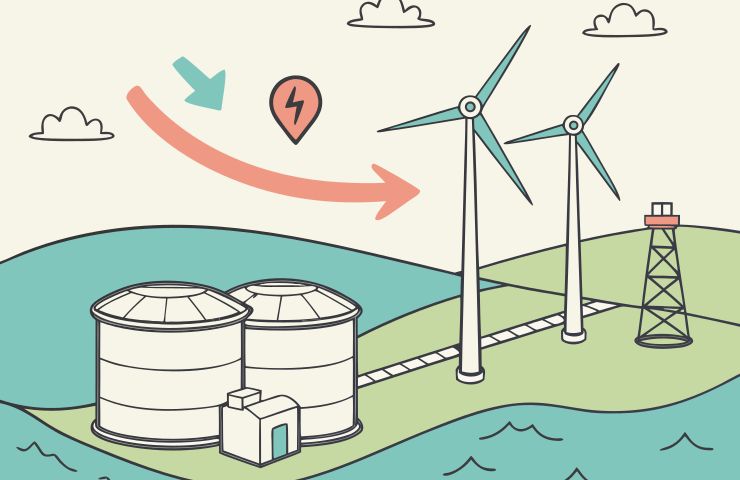
Over in southeast Alberta, the County of Newell is stepping up as a pioneer in heavy-duty hydrogen transport. The new hub will blend vehicle retrofits for fuel cells or hydrogen-adapted engines, on-site electrolysis to separate water into hydrogen and oxygen, and a network of refueling stations. Once those trucks are retrofitted, they’ll convert hydrogen into electricity via fuel cells, which means they’ll only emit water vapor. By syncing up supply and demand close to agricultural and oil corridors, this project aims to replace diesel and lay down the foundations for a far more expansive hydrogen infrastructure.
Post-Combustion Carbon Capture at Mercer Peace River
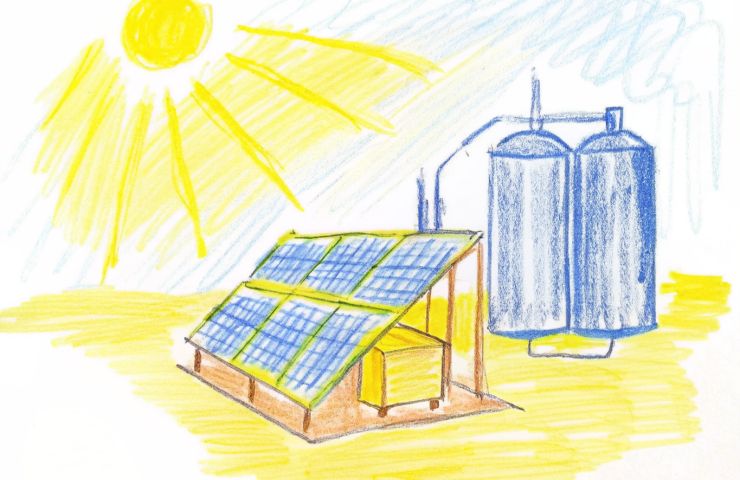
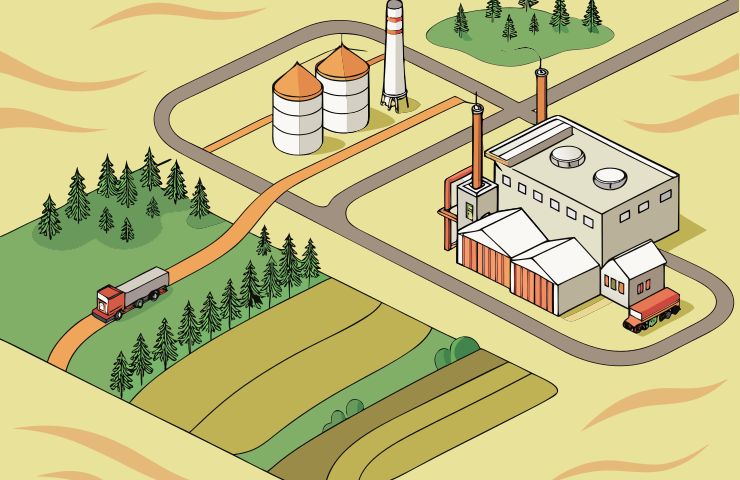
Enter Svante Technologies Inc., bringing its modular, solid-sorbent capture system to the Mercer Peace River pulp mill. Here’s the plan: flue gases will pass through sorbents that grab hold of CO₂; then, with a bit of temperature or pressure change, they release a concentrated stream for compression and storage underground in saline aquifers. With a target of capturing half a million tonnes of CO₂ every year, this represents one of the largest industrial carbon capture and storage (CCS) projects in Canada related to pulp and paper, while also testing important metrics like energy consumption, water usage, and cost efficiency within Alberta’s CCUS framework.
Enhancing Bitumen Pipeline Efficiency
Pumping heavy oil is no small feat. That’s where Northiana Energy Solutions Inc. comes into play with its Continuous Multilayered Encapsulation (CME) technique being tested on active pipelines. CME creates fluid microstructures or layers that reduce viscosity and friction—without needing to heats things up or mix in diluents. If this method works out, it could significantly cut indirect emissions linked to transporting bitumen across Alberta’s pipeline network.
BioLodestone Soil Bioremediation
Now let's talk about land remediation. Environmental Material Sciences Inc. (LiORA) is set to roll out its BioLodestone nutrient solution to former oil and gas sites. This solution feeds hydrocarbon-eating microbes, speeding up the natural breakdown of contaminants. It’s a much less invasive, cost-effective option compared to digging everything up, which helps fulfill land reclamation requirements while also aligning decarbonization efforts with environmental cleanup.
Strategic Context and Economic Impact
This funding round is a direct investment of industrial carbon pricing revenues into technology deployment, instead of general rebates to companies. Since 2009, ERA has committed more than CAD 1.19 billion to 364 projects that are expected to cut down on over 28 million tonnes of CO₂e by 2030. The impact of the latest funding package could create around 589 jobs and add an estimated CAD 95 million to Alberta’s economy, covering areas like engineering, construction, fueling infrastructure, and operational needs. This initiative aligns with the Alberta Hydrogen Roadmap and the province's developing CCUS policies, underscoring a clear commitment to making hydrogen production and carbon capture key elements of a lower-emission economy.
Risks, Debates, and Regulatory Considerations
However, it’s not all smooth sailing; CCS and hydrogen projects are facing their fair share of skepticism. Independent evaluations point to potential financial challenges, energy, and water use issues, along with questions about the long-term integrity of CO₂ storage and its impact on groundwater. Critics warn that blue hydrogen and extensive CCS networks might end up propping up fossil fuel infrastructure under the guise of going green. Establishing clear regulations on pipeline permits, monitoring, and liability is essential. To encourage transparency, ERA has mandated public reporting on emission reductions, economic gains, and lessons learned, but stakeholders will want to see some solid data on real-world performance before fully diving in.
Alberta's CAD 20 million gamble is a test to see if targeted subsidies can shift a hydrocarbon-heavy economy towards cleaner, low-carbon solutions. Key indicators—like hydrogen production costs, capture efficiency on a larger scale, energy savings from pipelines, and soil remediation success—will determine if these pilots are worth expanding. If they hit their targets, they could attract private investment and help establish a robust ecosystem for clean energy exports, even as the global regulatory landscape evolves and federal incentives adapt.