Hydrogen infrastructure: Amogy and LOTTE Fine Chemical sign MOU on ammonia-to-hydrogen and ammonia-to-power solutions in South Korea
Amogy and LOTTE Fine Chemical have signed an MOU to develop ammonia-to-hydrogen and ammonia-to-power infrastructure in South Korea, covering on-site hydrogen refueling, distributed power and marine bunkering. The collaboration leverages LFC’s ammonia network and Amogy’s modular cracking and power modules to convert green ammonia into clean energy at the point of use.
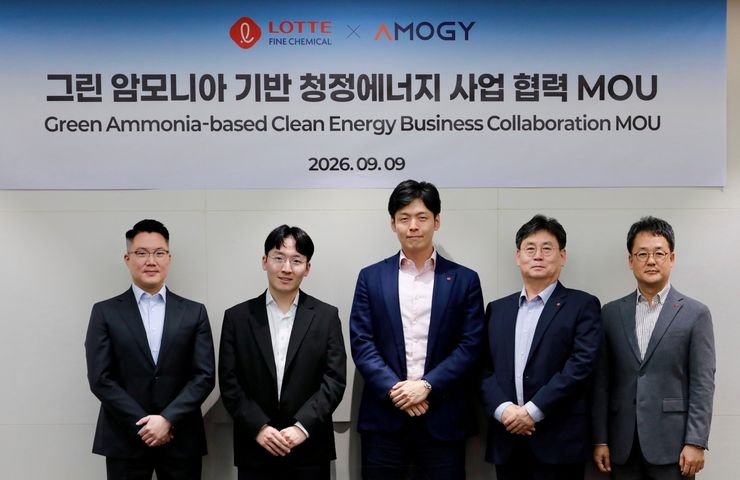
Amogy Inc. and LOTTE Fine Chemical Co., Ltd. have just teamed up, putting pen to paper on a memorandum of understanding aimed at pushing modular ammonia-to-hydrogen and ammonia-to-power solutions in South Korea. This partnership lays the groundwork for on-site hydrogen refueling, distributed power modules, and marine bunkering that leverages LOTTE's extensive ammonia import network and Amogy's cutting-edge cracking and power generation technologies.
The evolving energy role of ammonia
While ammonia has long been a staple in the fertilizer industry, its potential as an energy carrier is just starting to gain traction. In fact, LOTTE Fine Chemical has already made headlines by executing what it calls the world's first commercial import of green ammonia, alongside a demonstration for domestic green ammonia ship bunkering. This experience is crucial as they design the supply chain for the downstream conversion of ammonia. They’re equipped with refrigerated storage tanks that keep ammonia cool at a frosty −33°C, carefully monitoring its purity to ensure it meets the standards needed for cracking catalysts.
Why ammonia shines in energy density
Let’s talk numbers: ammonia boasts a volumetric energy density of about 11.5 MJ/L at room temperature, nearly double that of compressed hydrogen at 700 bar. This makes it super practical for both long-distance transport and seasonal storage. However, there's a catch—it’s not reactive enough to be used directly in fuel cells or engines without some help, which is where Amogy steps in with their modular reactors designed to be skid-mounted or containerized for flexible deployment.
South Korea’s ambitious hydrogen game plan
In a nation that doesn’t have vast domestic hydrocarbon reserves and features a bustling coastal industrial belt, South Korea is rolling out an ambitious national hydrogen roadmap. The goal? Producing a whopping 6.2 million tonnes of hydrogen annually by 2030, with a particular focus on import pathways. The government is stepping up with financial incentives aimed at demonstration projects, developing fuel cell vehicles and bolstering infrastructure, all of which is creating a warm, welcoming policy environment for innovations in green ammonia and hydrogen.
Leveraging existing ammonia infrastructure
The MOU sets the stage for LOTTE Fine Chemical to act as the upstream supplier and logistics operator—think sourcing green ammonia from their major facility at Ulsan Port, managing storage, pipelines, and bunkering. Meanwhile, Amogy takes care of all things tech, focusing on modular ammonia cracking units that split NH₃ into high-purity hydrogen and also handle integrated power generation using fuel cells or hydrogen-powered engines.
Three-pronged decarbonization strategy
The partners have pinpointed three key application areas that they'll tackle:
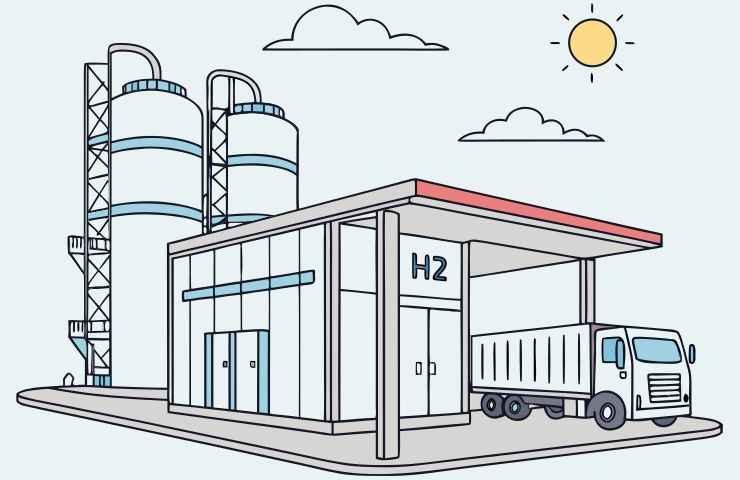
- Hydrogen refueling stations – Here, LFC provides green ammonia to station sites, and Amogy’s cracking units promptly produce hydrogen on demand for fuel cell vehicles. This setup eliminates the need for costly centralized hydrogen pipelines.
- Distributed power generation – Commercial facilities and community-scale sites will use ammonia as a feedstock, while Amogy’s containerized power modules convert it into electricity, all with hardly any emissions, thanks to PEM fuel cells or modified combustion engines.
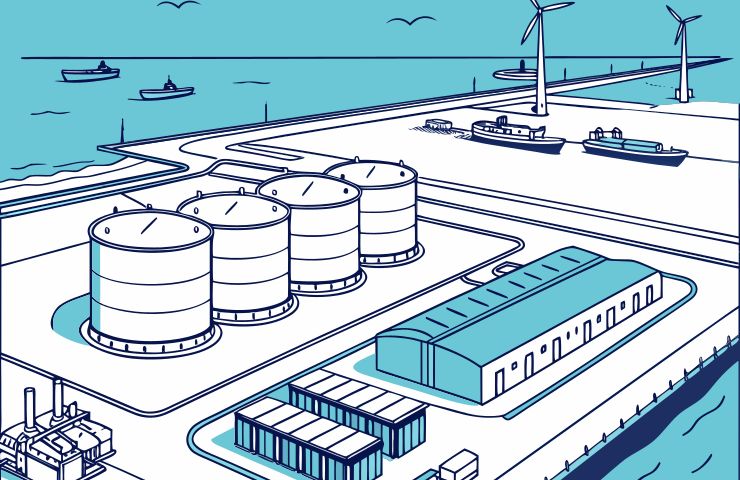
- Marine ammonia bunkering – Vessels equipped with Amogy’s ammonia-to-power tech can top up at Ulsan Port, making use of LFC’s established ammonia setup to provide a zero-carbon alternative to traditional marine fuels.
The tech behind the scenes
At the heart of Amogy’s ammonia-to-hydrogen system are catalytic cracking reactors that break down NH₃ at elevated temperatures (think around 600–800 °C) over metal-based catalysts, creating a mix of H₂ and N₂. Following that are purification stages using selective membranes or adsorption beds to remove leftover ammonia and nitrogen, ensuring they hit the fuel-cell purity standards. This high-purity hydrogen can then be compressed, dispensed, or used directly in fuel cells or hydrogen engines.
The ammonia-to-power modules actually combine these cracking units with either PEM or solid oxide fuel cells, or hydrogen-fueled internal combustion engines specifically designed for clean combustion. The beauty of this approach is that all these systems can be trucked into locations where traditional hydrogen infrastructure just doesn’t exist.
Design and efficiency factors
Amogy’s cracking units are engineered with specific parameters in mind, like a catalyst bed temperature of 650–700 °C and tuned residence times aimed at achieving conversion efficiencies of over 95 percent. Plus, they’ve got thermal integration in place to cleverly recycle heat from exothermic reactions to preheat incoming ammonia, which really helps boost overall energy efficiency. They also deploy high-tech purification stages with palladium or silver-based membranes to ensure the hydrogen reaches an impressive 99.99 percent purity, so it’s all set for PEM fuel cells.
Commercial incentives and future outlook
What’s particularly exciting is that by integrating ammonia supply with its end-use conversion, they’re tackling a huge barrier in the hydrogen economy: that tricky ‘last mile’ delivery. With on-site hydrogen production, customers can skirt the need for expensive pipeline networks and install fuel cells or hydrogen engines right where fossil fuels are currently used. Sure, the initial capital costs for modular cracking units might be higher than traditional methods, but they make up for it with easier installation and standardized manufacturing. They’re even exploring financing options like leasing the tech or forming joint ventures for facility ownership.
With policy incentives coming from South Korea’s Green New Deal and hydrogen roadmap, early projects could snag some nice benefits like tax credits or grants, though we're still waiting on specific programs for ammonia-to-power projects. If they nail those initial commercial sites, it might open the floodgates for more investment, ultimately driving down the cost of hydrogen and power derived from ammonia.
Environmental safety measures
When made from renewable energy, green ammonia can cut lifecycle greenhouse gas emissions dramatically compared to traditional fossil fuels. However, the flip side is that ammonia is toxic, which poses risks if there are any leaks or spills. This partnership will have to implement safety systems like continuous ammonia detectors, emergency ventilation, and secondary containment systems in storage areas, aligning with international standards like ISO 22041 for handling ammonia. Plus, they’ll need to manage vented nitrogen from the cracking process to prevent contributing to local nitrogen deposition.
Far-reaching implications for the industry
If this integrated model takes off in South Korea, it could really shake up regional energy trade by showing how port-based ammonia hubs can cater to distributed power and transport needs. Neighbors like Japan and China, with similar import dependencies and industrial clusters, might just follow suit, paving the way for a network of ammonia-based hydrogen corridors. This partnership could also contribute to emerging international certification schemes for green ammonia, influencing standards for origin guarantees and carbon accounting.
What’s next? Planning for pilot programs
This MOU isn’t set in stone; it lays the groundwork for both companies to dive into a joint feasibility study. They’re planning to refine their tech and business models, look at specific site requirements, and explore financing paths. Meanwhile, they’ll be engaging with local authorities to pinpoint ideal locations for refueling and power sites, considering things like grid connections, traffic patterns, and marine logistics. Initial plans include testing a small-scale refueling station in a city and showcasing a turnkey ammonia-to-power unit at an industrial park. They might even run some ship bunkering trials using LFC’s previous green ammonia delivery to a demonstration vessel in Ulsan, ramping up to regular operations once regulatory hurdles are cleared.
Bringing these commercial-scale rollouts to life could create jobs in engineering, construction, and operations, while also spurring local supply chains for catalyst production, heat exchangers, and power electronics. With economies of scale in module production and ammonia logistics, we could see overall costs plummet over time.
By combining expertise in upstream logistics and importing with advanced ammonia cracking and power conversion technologies, this partnership not only provides a strong model for integrating clean ammonia into national hydrogen infrastructure, but it could also guide policy, standards, and investment trends all across Asia. This evolution from pilot projects to full-scale operations might just establish South Korea as a key player in the future of green hydrogen production.