Air Liquide Joins IRU to Accelerate Road Transport Decarbonisation
Air Liquide has joined the IRU to channel its hydrogen expertise into the Green Compact, aiming to align production, distribution and refuelling infrastructure with heavy-vehicle decarbonisation under new EU CO₂ standards.
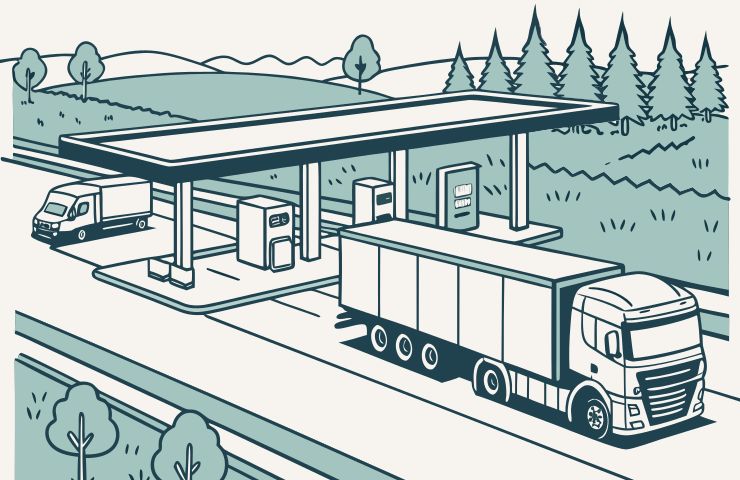
This month, Air Liquide took a significant step by joining the International Road Transport Union (IRU) in Geneva. This partnership is all about bringing practical insights to the IRU’s Green Compact, specifically focusing on how to roll out hydrogen infrastructure for heavy-duty freight. With new EU regulations pushing for zero-emission solutions for long-haul trucking, the goal here is to better align supply, refueling networks, and fleet requirements rather than just announcing a particular project.
Bringing Hydrogen Expertise to the Table
The International Road Transport Union represents a massive network of over 3.5 million mobility and logistics companies across more than 100 countries. Founded in Geneva more than 75 years ago, IRU has established itself as a key player in facilitating cross-border transportation, be it freight or passenger services. In 2021, the IRU launched the Green Compact, a roadmap aimed at achieving carbon neutrality in commercial road transport by 2050. As a member, Air Liquide brings over six decades of experience in the hydrogen value chain, serving clients in 59 countries and boasting about 65,000 employees, with annual hydrogen sales around 1.2 million tonnes—although those numbers are company-reported.
Air Liquide has also set up more than 260 hydrogen stations worldwide, providing both 350-bar and 700-bar refueling options for heavy-duty fleets. Joining the IRU opens doors to fleet operators and logistics leaders, paving the way for conversations about production scales, depot integration, corridor planning, and offtake agreements. As an associate member, Air Liquide gets to contribute to advisory committees focused on infrastructure standards, even though voting rights remain with national road transport associations. This collaboration is shifting the focus of hydrogen mobility from just pilot projects to a more coordinated infrastructure strategy across the IRU network.
Understanding Fuel Cells and Refueling
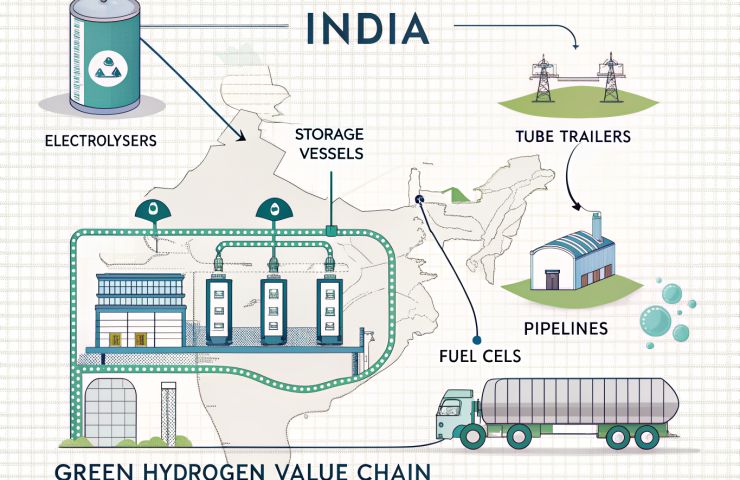
Hydrogen fuel-cell electric vehicles make it possible to convert compressed gaseous hydrogen into electricity right on board, with the only byproduct being water vapor emitted at the tailpipe. The hydrogen is stored at high pressures of either 350 or 700 bar in tanks and then reacts with ambient oxygen in a fuel cell. A battery buffer often kicks in for peak demand and helps with regenerative braking, ensuring a smooth power delivery. Plus, refueling times are on par with diesel, offering a range of hundreds of kilometers without long charging delays. Air Liquide is involved in all aspects of this ecosystem, from station design to compression, storage, and dispensing, whether the hydrogen is supplied via pipeline, tube trailer, or onsite production.
The entire hydrogen production and supply chain involves methods like electrolysis, steam methane reforming with carbon capture, or biomethane reforming. Each method leads into stages of purification, compression, or liquefaction before the hydrogen is transported and dispensed—all of which require energy. The lifecycle emissions depend heavily on the production sources and conversion losses, making upstream decarbonization just as important as the efficiency of the vehicles themselves. The components of high-pressure stations—like storage cascades, compressors, coolers, and dispensers—increase capital costs, pushing the economics of these stations towards higher throughput and coordinated fleet rollouts.
Regulatory and Market Drivers
Pressure is building across Europe, with the European Union now demanding significant reductions in CO₂ emissions: a 45% cut for new heavy-duty vehicles by 2030, 65% by 2035, and 90% by 2040 compared to the baseline. Simultaneously, the Alternative Fuels Infrastructure Regulation (AFIR) requires hydrogen refueling stations to be installed along key corridor routes to ensure comprehensive network coverage. These new regulations are prompting manufacturers and fleet owners to seriously consider zero-emission options, whether that's battery-electric, hydrogen fuel-cell, or even hydrogen combustion technologies. There's also an increasing demand for integrated solutions that combine reliable fuel supply agreements, depot designs, and access to corridor stations.
Within this regulatory landscape, the IRU’s Green Compact provides a technology-neutral framework that addresses not just fuels and vehicles, but also logistics efficiency, collaborative transport, and factors like driver behavior. By incorporating a major hydrogen supplier into this forum, the IRU is looking to marry technical know-how with the operational data of transport operators, such as duty cycles, utilization rates, and refueling patterns. This collaboration sends a strong signal to policymakers that the industry is coming together around actionable deployment strategies instead of vague aspirations.
Tackling Challenges and Enhancing Coordination
Despite the clear policy direction, there are still several challenges to overcome before hydrogen can grab a meaningful market share. Independent studies suggest that, from a well-to-wheel perspective, hydrogen may have lower total energy efficiency compared to direct battery charging, especially on shorter regional routes. The high capital costs of hydrogen stations—due to the need for compression, storage, and safety systems—make it essential that they’re used effectively to make investments worthwhile. Additionally, the volatility in hydrogen pricing and the necessity for long-term offtake contracts can add commercial risks. Coupled with the expensive nature of vehicles due to limited manufacturing scale, these factors create hurdles for widespread adoption.
To make progress, coordination between the rollout of infrastructure and fleet deployment is key. Stations can only be economically viable if their utilization rates exceed certain thresholds; however, fleet owners are often hesitant to invest unless they’re assured of network coverage. Moreover, procedures for safety, leak detection, and standardization need to be harmonized across different countries and equipment suppliers to guarantee interoperability. Engaging operators early on through the IRU’s network might help in defining clustering strategies that tie depots to corridor stations, ultimately reducing infrastructure gaps and ensuring a reasonable return on investment.
What’s Next?
This partnership represents an institutional milestone rather than an operational achievement. No new facilities, fleet orders, or financial investments were revealed as part of this membership. The real measure of success will be whether the IRU and Air Liquide can generate pilots, influence station rollouts, and create contractual frameworks that actually reflect the demands of the industry. For hydrogen to effectively complement electrification, low-carbon production must scale alongside a reliable refueling network that’s in tune with the schedules of heavy-duty vehicles.
Looking ahead, keep an eye out for joint trials, projects aimed at depot integration, and binding off-take agreements. As the EU heavy-truck market gears up for stringent CO₂ targets and alternative fuel corridors, this partnership could serve as a shining example of how cross-sector coordination can pay off. Ultimately, the journey to achieving zero-emission freight relies on aligning technology, policy, and commercial models—something the IRU and Air Liquide are now actively trying to pursue.