Hydrogen Fuel Cells Set Sail: Fincantieri’s Isotta Fraschini Unleashes Zero-Emission Cruise Innovation
Italy's Isotta Fraschini Motori opens a €30M hydrogen fuel cell plant in Bari, powering the first hydrogen cruise ship—Viking Libra. Big leap for maritime decarbonization.
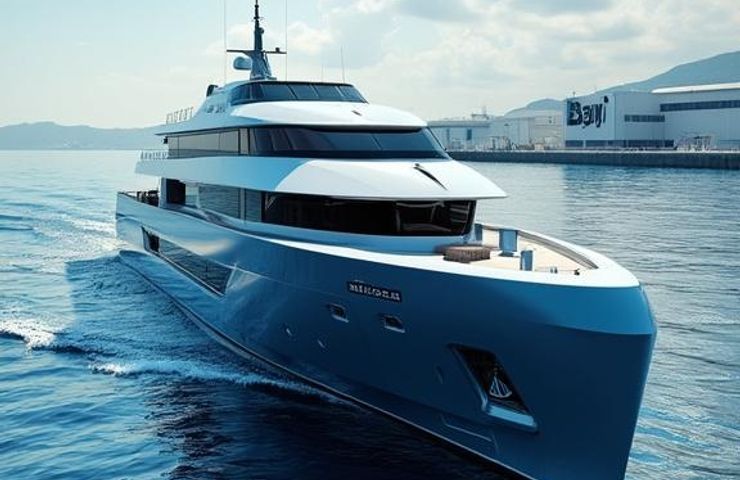
Buckle Up: Italy Just Raised the Bar for Zero-Emission Shipping
Here’s the bottom line: hydrogen fuel cells aren’t off in some far-flung future—they’re here, and they’ve just landed in a big way. On July 21, 2025, Isotta Fraschini Motori (IFM), with powerhouse backing from Italian shipbuilding giant Fincantieri, flipped the switch on a brand-new production line for hydrogen fuel cells in Bari, Apulia. This isn’t just ceremonial ribbon-cutting—it’s a hard-hitting, €30 million bet on carbon-free ocean travel, from heavy-duty engines to full-blown zero-emission cruise ships.
Why It Matters: Ditching Diesel at Sea
Let’s face it—shipping is one of the dirtiest parts of global transport. Between the International Maritime Organization (IMO) lowering emissions limits and the European Green Deal tightening the screws, the industry’s been overdue for a serious upgrade. That’s where hydrogen fuel cells come in. No dirty exhaust, no CO₂—just electricity made by mixing hydrogen and oxygen, with water vapor as the only byproduct.
This isn’t a prototype sitting on a shelf. The Bari line is geared for real deployment, cranking out marine-ready fuel cell modules tough enough to handle salt spray, non-stop use, and engine-room chaos. The result? Clean, reliable power not just for getting from A to B, but for running everything onboard too.
The Magic Ingredient: Fuel Cell Technology That Floats
This isn’t your average tech announcement—IFM’s hydrogen fuel cells are built for life at sea and ready to scale. The chemistry? Simple but powerful:
- Hydrogen enters the fuel cell.
- It reacts with oxygen from the air across a catalyst.
- The result: electricity, heat, and water. That’s it.
No fire. No smoke. No harmful emissions.
And these aren’t just being tested in a lab. They’re already heading out into the real world, with their debut set for the Viking Libra—a brand-new cruise ship coming together at Fincantieri’s Ancona shipyard.
Case Study: Viking Libra Goes Green
Set to launch by late 2026, the Viking Libra is expected to make history as the first zero-emission cruise ship powered entirely by hydrogen fuel cells. That’s a major leap beyond the buzz—it’s a full system upgrade. Thanks to IFM’s marinized technology, the ship will handle everything from ocean crossings to keeping the AC running without belching out a single gram of CO₂.
For Fincantieri CEO Pierroberto Folgiero, this vessel isn’t just another ship—it’s a message. For IFM CEO Sergio Razeto, it’s living proof that a century-old company can still lead when it comes to green maritime technology.
Strategic Moves: Funding, Location & Vertical Power
Rome wasn’t built in a day, and neither was this facility. The new line in Bari is part of a coordinated push from European and regional programs, and it’s partially funded by IPCEI (Important Projects of Common European Interest). Bari’s not just a backdrop—it’s becoming a hotbed for innovation. Anchored by the CIS Innovation Center and backed by the Puglia European Regional Development Fund, the city’s getting a serious tech glow-up.
And here’s a smart play—Fincantieri is keeping it all in-house. Rather than rely on outside suppliers for something as pivotal as hydrogen fuel cells, they’re doubling down on vertical integration by owning IFM and bringing the talent and tech under one roof. Ships and engines—built together, aligned in vision, and speeding toward the same decarbonized future.
Scaling the Ripple Effects
Zooming out? Bari’s big move is sending waves far beyond Italy’s borders. Think about the knock-on effects:
- New jobs and skills in next-gen clean tech for southern Italy.
- Economic growth fueled by high-tech manufacturing and exports.
- Development of hydrogen infrastructure for fueling and storage in port cities.
- Faster adoption of fuel cell tech across ships, factories, and even defense.
- Momentum toward hitting those tough EU climate goals.
This isn’t just about putting a single cruise ship on a clean path—it’s about turning entire fleets green, from ferries and tankers to the naval forces of the future.
Game On: The Disruption Has Arrived
We’re not talking hypotheticals anymore. With the Bari hydrogen production facility fully online and turning out marine-grade fuel cells, the gears are already turning. Ships outfitted with this tech will soon be moving cargo, passengers—and the whole market outlook for hydrogen fuel cells.
The only question now? Who’s staying ahead of the wave, and who’s about to get caught standing still. One thing’s for sure: the old diesel-powered status quo is starting to look like yesterday’s news.
Final Shot: From Legacy to Leadership
Isotta Fraschini Motori has roots stretching back to 1900, and Fincantieri has been shaping the seas since 1959. But forget coasting on legacy—these two are throwing down the gauntlet and going carbon-free with purpose and precision.
With Bari now on the map as a global hub for green maritime technology, Italy isn’t just joining the race—it’s leading the charge. Smooth, silent, and seriously innovative—this is what the future of shipping sounds like.