News
Hydrogen Fuel Cells Power Port Decarbonization in France’s Rochefort-Tonnay-Charentes
The Port of Rochefort-Tonnay-Charentes becomes France's first inland port to retrofit cranes with HydraGEN hydrogen-on-demand tech, cutting emissions and modeling practical port decarbonization.
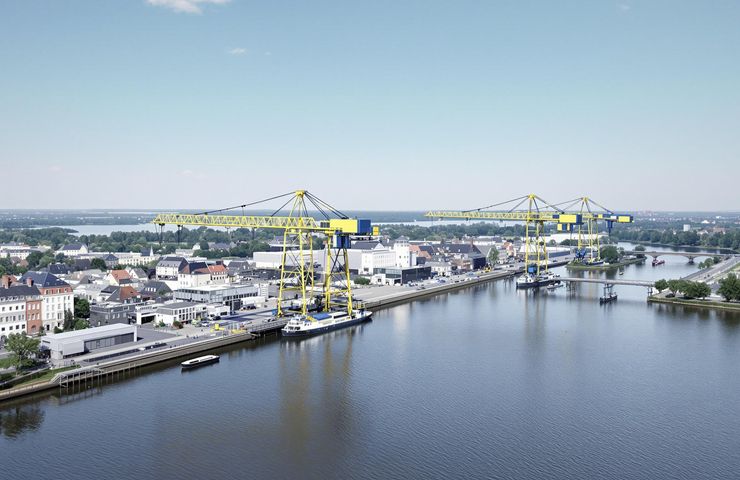
France’s First Hydrogen Crane: A Game-Changer for Green Ports
Big things are happening at the Port of Rochefort-Tonnay-Charentes in France. In a major first for the country, this inland river port has rolled out a crane powered by hydrogen fuel cells, thanks to dynaCERT’s HydraGEN technology. That switch — made official in July 2025 — is more than just a cool tech upgrade. It's a real sign that the port is embracing both environmental stewardship and economic transformation, potentially setting the stage for port cities across Europe to follow suit.Here’s What They Did — and Why It Matters
With backing from the Nouvelle-Aquitaine Region and in collaboration with Canadian clean tech company dynaCERT Inc. and local partner IPMD, the port integrated a cutting-edge hydrogen-on-demand system. In plain English, that means small doses of hydrogen and oxygen get injected into the crane’s existing diesel engine, leading to a cleaner, more complete burn. And it’s not just a science project — the results speak volumes. Lab tests showed this system slashed emissions in every key category: 20% less CO₂, 33% drop in CO, 20% cut in NOₓ, and a massive 45% reduction in fine particulate matter. For a port that sits near protected natural areas and residential neighborhoods, this kind of air quality boost is a big win. The first retrofit came in at around €58,000. And that’s just the beginning — all five cranes are set to be upgraded by the end of 2025 under the direction of the Syndicat Mixte Charente-Atlantique, the local agency overseeing port operations.What Makes HydraGEN Tech So Different?
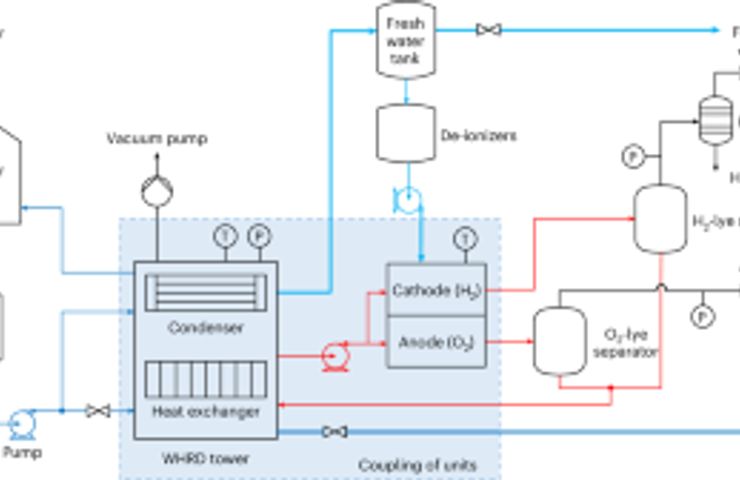
So, what makes HydraGEN technology stand out from other green solutions? The magic lies in its simplicity. It doesn’t need high-pressure hydrogen tanks or fancy new engines. Instead, it uses electrolysis of distilled water to create hydrogen and oxygen on the fly — feeding the gases into the engine’s air intake. That boosts combustion, cuts emissions, and avoids expensive overhauls or complicated setups. This kind of plug-and-play solution is a dream for ports like Rochefort-Tonnay-Charentes. Downtime kills productivity, so having a retrofit option that’s quick, reliable, and cost-effective hits the sweet spot. Even better, it helps them align with the EU’s ambitious carbon goals — without turning the whole system upside down.A Port with a Past, and Now, a Future
The port itself has some serious history. Once a naval powerhouse back in the 1600s, it’s now a commercial hub that moves over 400,000 tons of goods a year — including wood, clay, cars, and fertilizer. Taking the leap into hydrogen tech shows it's not clinging to the past; it's charging into the future. For the Nouvelle-Aquitaine Region, supporting this initiative isn’t just about going green — it’s smart strategy. Cleaner operations mean long-term resilience, a stronger public image, and potentially, real savings at the fuel pump. The upfront investment per crane? It’s already paying off in reduced emissions and growing interest from other stakeholders.Europe’s Bigger Picture: Ports Going Green
From Hamburg to Los Angeles, ports around the world are stepping up to the industrial decarbonization challenge — rolling out electric vehicles, experimenting with green ammonia, and now turning to hydrogen lifting systems. Rochefort-Tonnay-Charentes, however, stands out by proving that even inland ports, often overlooked in climate discussions, can lead the decarbonization charge. For dynaCERT, this win in France isn’t an isolated stunt — it’s a launchpad. With their new office in Munich already up and running, they’ve got big plans for expanding their footprint across Europe’s transport, municipal, and heavy industry markets.Bigger Impacts Are Already on the Horizon
But let’s look beyond just cranes. This project could light the spark for broader adoption of hydrogen across logistics — think city truck fleets, construction machinery, even small cargo vessels. And the momentum is building fast. With tested results and government support in place, hydrogen’s shift from “novel concept” to “must-have solution” is well underway. For leaders shaping the future of European infrastructure, there are two major takeaways here: 1. Hydrogen retrofits can be practical, affordable, and non-disruptive. 2. Having committed local government support isn’t just helpful — it’s crucial.The Bottom Line: A Smarter, Cleaner Path Forward
While many ports are still weighing major grid upgrades or fully-electric overhauls, Rochefort-Tonnay-Charentes is offering another path — one that’s faster, scalable, and uses today’s tools to reach tomorrow’s goals. Their success with HydraGEN technology proves that real change doesn’t always require ripping everything out. Sometimes, smart retrofitting is all it takes. Forget greenwashing — this is the real deal. It’s the kind of quiet, steady innovation that builds the foundation for the next generation of sustainable ports — locally, across Europe, and beyond. Keywords: hydrogen fuel cells, industrial decarbonization, hydrogen-on-demand, HydraGEN technology, hydrogen infrastructureHow was this article?
Thanks for the feedback!