Hydrogen Fuel Cell News: TANAKA H2 Nexus Unveils 500 kW Pure Hydrogen System, Bolstering Industrial Hydrogen Infrastructure
TANAKA has launched a 500 kW pure hydrogen fuel cell plant in Hiratsuka using Toshiba H2Rex modules, supplying a third of on-site power and advancing hydrogen infrastructure.
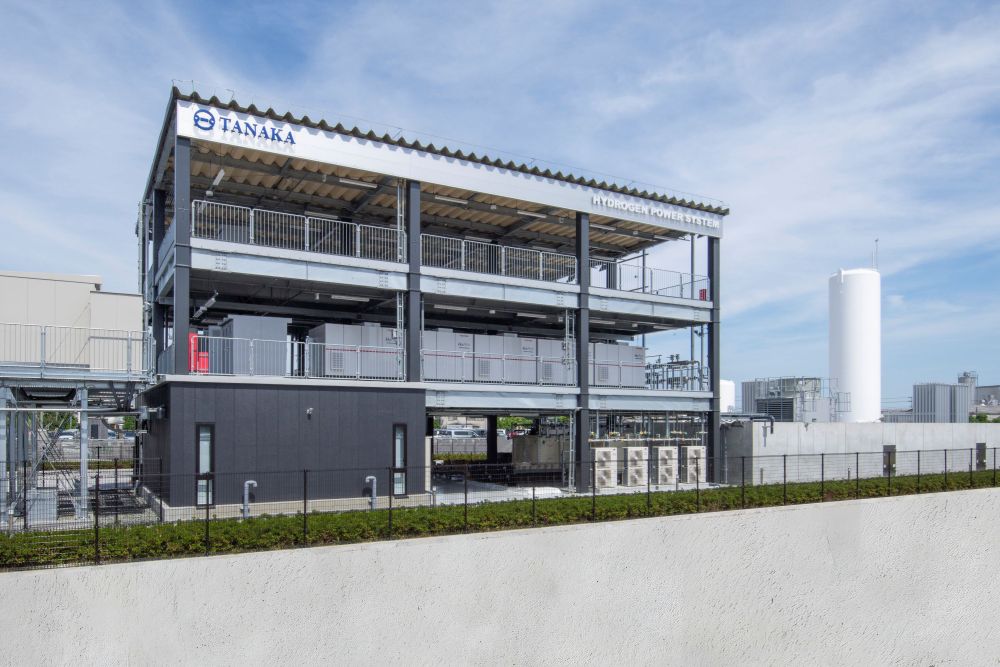
Just this month, TANAKA Precious Metal Technologies made waves by launching the TANAKA H2 Nexus, a beefy 500 kW pure hydrogen fuel cell system at their Shonan Fuel Cell Power Plant in Hiratsuka, Kanagawa Prefecture. This move is a big deal—it's one of the largest private hydrogen fuel cell setups in Japan and marks a real leap forward for hydrogen infrastructure and the push for industrial decarbonization.
Here’s a quick snapshot:
By stacking those five 100 kW modules together, TANAKA has pushed beyond the typical fuel cell setups you usually see—most residential systems dribble out under 2 kW, and many commercial ones barely scrape by at 200 kW. The H2 Nexus is a game-changer, proving that hydrogen fuel cells can take on hefty industrial energy needs while running efficiently and producing zero direct emissions.
Technical Overview
Diving into the techy side, the heart of H2 Nexus is the Toshiba H2Rex pure hydrogen fuel cell system. Unlike those cogeneration systems that depend on turning natural gas into energy, the H2Rex runs straight on hydrogen, and that brings some serious benefits:
Each module is built with a polymer electrolyte membrane (PEM) setup that uses a platinum catalyst to break down hydrogen into protons and electrons. Those protons pass through the membrane, combine with oxygen and electrons at the cathode, and voilà—water and electricity are born! This whole system is designed to last about 80,000 hours, setting a high bar for performance in coastal and industrial settings.
Some standout features include a salt-resistant enclosure to tackle corrosion from the nearby Sagami Bay, and an autonomous islanding function that keeps critical processes running smoothly even when the grid falters. Plus, an advanced energy management system (EMS) steps in to smartly manage load changes, reacting well within seconds to cater to factory demands. That's a big win compared to many traditional gas-powered generators!
Strategic & Business Implications
For TANAKA, known for its top-notch catalytic materials in fuel cells and electrolyzers, H2 Nexus isn’t just about generating power—it’s a research and development playground. By keeping track of operational data like stack wear and maintenance, they can finesse their catalyst recipes using real-world conditions. These insights are bound to roll right back into their lines for polymer electrolyte fuel cells and water electrolysis technologies.
On the business side, integrating this 500 kW system helps cut down on reliance on grid electricity—which means less sensitivity to those pesky fluctuating utility rates. Plus, it positions TANAKA not just as a materials supplier but also as an end-user of hydrogen energy, paving the way for a broader offering in energy services and solutions for industrial decarbonization. The visibility this project brings might just spark interest for similar setups across Japan, especially in the manufacturing sector where energy resilience and carbon reduction are top of mind.
Policy Backdrop
The H2 Nexus fits perfectly into Japan’s Basic Hydrogen Strategy and METI’s Strategic Roadmap, both of which aim to solidify hydrogen as a key player in a low-carbon energy mix. Since the '70s, national initiatives—from the Sunshine Project to residential Ene-Farm systems—have been shaping expertise in fuel cells and electrolyzers, but widespread industrial adoption is still lagging behind.
The installation at the Shonan Plant represents a logical next step, transitioning from residential cogeneration to hefty, utility-ready stationary fuel cells. Yet, there are still policy discussions swirling around hydrogen’s carbon footprint, especially since grey and blue hydrogen are currently the main players. Projects like H2 Nexus highlight a pressing need for methods to produce green hydrogen—powered by renewables—to achieve real, lasting reductions in lifecycle emissions.
Economic & Environmental Considerations
With a hefty 2.0 billion yen investment kicking things off, TANAKA shows a strong commitment to hydrogen project financing. At full tilt, this system can handle around 34% of the plant’s electricity usage, potentially leading to a multi-year return on investment, factoring in savings from electricity costs and possible future carbon pricing.
The environmental upsides hinge on how the hydrogen is sourced. While the fuel cell operation only emits water vapor, the overall cut in CO2 depends heavily on whether the hydrogen comes from renewable-powered electrolysis or from fossil fuels. TANAKA hasn’t spilled the beans on how they’re procuring their hydrogen, leaving room to question that nearly 2,000-ton annual CO2 reduction claim.
Challenges & Next Steps
Gathering operational data from H2 Nexus will be essential to verify its durability, efficiency, and EMS performance in a coastal industrial environment—insights that will help other companies hone their hydrogen storage and distribution strategies. Major hurdles include securing a steady, low-carbon hydrogen supply, driving down fuel cell costs to meet METI’s targets, and navigating the regulations surrounding high-pressure gases.
If H2 Nexus meets or even exceeds its design and responsiveness goals, we could see a more rapid roll-out of pure hydrogen fuel cells in heavy industries and port areas throughout Japan. As the country seeks to balance energy independence with climate action, real-world projects like the Shonan Plant are bound to shape policy and market dynamics around hydrogen’s role in our energy future.
Comparisons to Other Installations
While government and research initiatives have experimented with 200–300 kW pure hydrogen fuel cells at test sites, H2 Nexus stands apart for marrying scale with direct industrial application. Previous projects in remote locations or campus settings often relied on combining fuel cells with battery storage for peak performance. However, TANAKA’s EMS handles load changes independently without needing batteries. Compared to diesel back-up generators, H2 Nexus can ramp up almost instantly while producing zero local emissions, making it a smart and competitive option for manufacturing sites and port terminals. Its coastal, corrosion-resistant design also sets the bar for future projects along Japan’s extensive coastline.
What to Watch Next
In the months ahead, keep an eye on key performance indicators like:
If everything goes according to plan for this facility in terms of durability and efficiency, we could witness a surge in industrial agreements for similar hydrogen fuel cell projects, signaling a pivotal shift for hydrogen infrastructure adoption—not just in Japan, but potentially on a global scale.